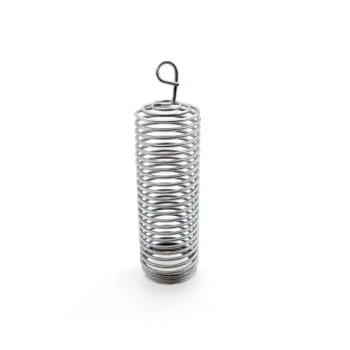
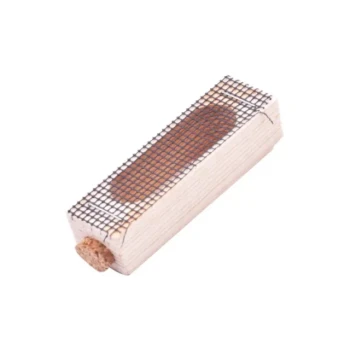
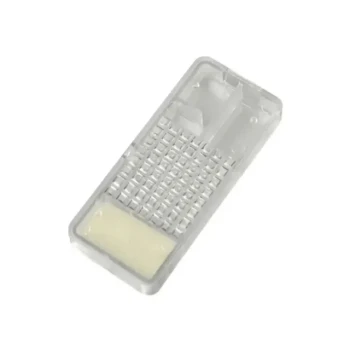
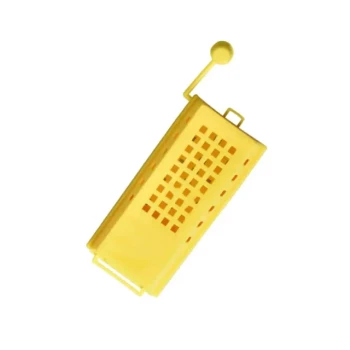
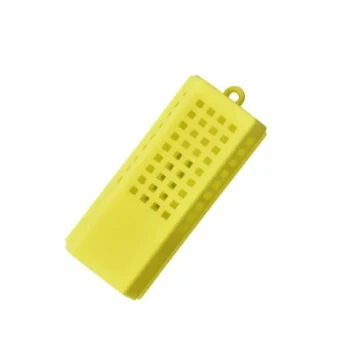
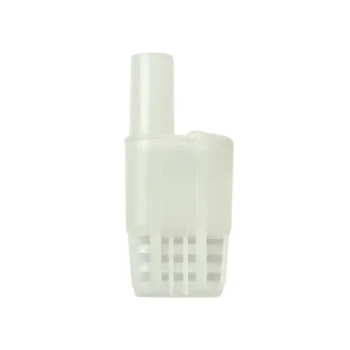
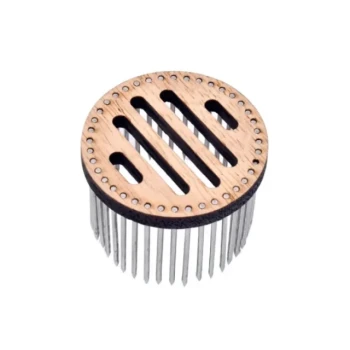
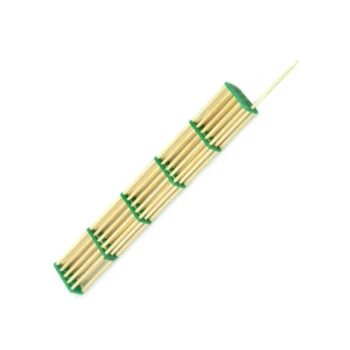
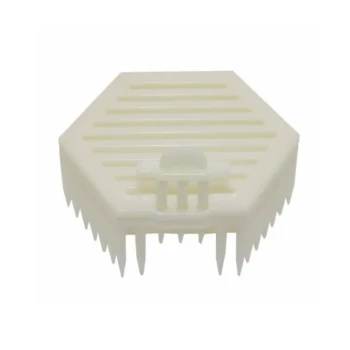
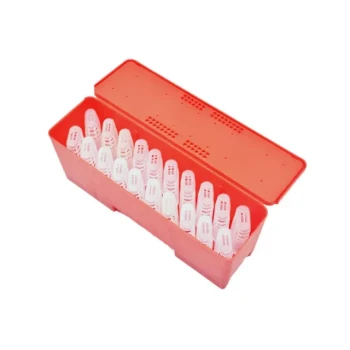
Professional queen cages operate as a biological airlock, mediating the hostile transition between a colony’s workers and a foreign queen. They facilitate introduction by creating a temporary physical boundary that prevents immediate assassination, while simultaneously allowing the free flow of air required for the new queen's pheromones to rewrite the colony's chemical signature.
The queen cage turns an acute biological crisis—the sudden arrival of a foreign insect—into a managed process of chemical negotiation. It secures the queen's safety until the colony accepts her scent profile as their own.
The Mechanics of Safe Introduction
The Physical Firewall
Bees are naturally xenophobic and will instinctively attack an unrecognized queen. The primary function of the cage is to act as an impenetrable physical barrier.
This mesh or perforated structure prevents worker bees from stinging or "balling" (suffocating) the new queen during the initial hours of contact. It ensures the queen remains unharmed even if the colony's initial reaction is aggression.
Pheromone Diffusion
While the cage stops physical contact, it acts as a permeable medium for odor exchange. The mesh construction allows the new queen's specific pheromones to slowly drift out and circulate through the nucleus colony.
Simultaneously, the colony's scent enters the cage, coating the queen. This two-way diffusion process gradually overwrites the workers' hostility with chemical familiarity, signaling that she is the legitimate reproductive head of the colony.
The Timed Release Mechanism
Most professional cages utilize a candy plug to automate the release process. This serves as a "timer" for the introduction, typically lasting 1 to 2 days.
Worker bees must eat through this sugar barrier to free the queen. By the time they have chewed through the plug, the pheromone acclimation process is usually complete, ensuring they are welcoming rather than hostile when the door finally opens.
The Strategic Value of Caging
Accelerating Social Order
Introducing a queen without a cage often leads to chaos or regicide. By controlling the interaction, the cage significantly shortens the time required for the colony to restore its normal social order.
Protecting Genetic Assets
Artificial nucleus colonies are often created to improve stock with queens possessing superior traits, such as high egg-laying capacity or disease resistance. The cage safeguards this high-value genetic investment, ensuring that expensive or carefully bred queens are not wasted due to procedural rejection.
Understanding the Trade-offs
The Risk of "Balling" the Cage
While the cage protects the queen, it does not guarantee immediate psychological acceptance. In highly aggressive colonies, workers may still attempt to "ball" the cage itself, clutching it tightly in a hostile cluster. If the queen is released while this behavior persists—even after the candy is eaten—she will likely be killed.
Acceptance Failure Rates
While cages drastically improve success rates (often cited up to 85%), they are not fail-safe. If the colony believes it already has a queen (even a virgin or a laying worker), or if the introduction period is too short, they will reject the new queen regardless of the cage.
Making the Right Choice for Your Goal
When introducing a queen to your nucleus colony, tailor your approach to your specific objective:
- If your primary focus is Protecting High-Value Genetics: Ensure the candy plug is long enough or temporarily covered to extend the acclimation period beyond 2 days.
- If your primary focus is Rapid Colony Expansion: Use a standard candy release to allow the queen to begin egg-laying as soon as the workers accept her, minimizing downtime.
The queen cage is not just a container; it is the essential tool that aligns the biological rhythms of the queen with the social instincts of the colony.
Summary Table:
| Feature | Function | Benefit |
|---|---|---|
| Physical Firewall | Prevents direct worker contact | Protects the queen from stinging or balling |
| Pheromone Diffusion | Allows scent exchange through mesh | Synchronizes the queen's scent with the colony |
| Candy Plug | Acts as a timed release mechanism | Ensures release occurs only after chemical acceptance |
| Mesh Construction | Provides ventilation and odor flow | Maintains queen health during the transition period |
Maximize Your Apiary's Success with HONESTBEE
At HONESTBEE, we understand that every queen is a vital investment for commercial apiaries and distributors. Our professional-grade queen cages and beekeeping tools are designed to safeguard your genetic assets and ensure seamless colony expansion. From hive-making machinery to essential industry consumables, we provide the full spectrum of equipment needed to scale your operations.
Ready to elevate your beekeeping production?
Contact our wholesale experts today to discover how our comprehensive equipment solutions can optimize your hive management and increase your profitability.
References
- I. V. Vedmed, В. Г. Каплуненко. MELLIFEROUS CAPACITY OF BEE FAMILIES DEPENDING ON THE QUALITY OF QUEEN BEES, DERIVED WITH USING OF BIOLOGICALLY ACTIVE FEEDING. DOI: 10.31073/abg.51.40
This article is also based on technical information from HonestBee Knowledge Base .
Related Products
- Durable Galvanized Steel Spring Queen Bee Cage
- Classic Wooden and Mesh California Queen Cage
- Professional Queen Bee Introduction and Transport Cage
- Professional Queen Cage with Sliding Gate and Feeder Plug
- Professional Multi-Compartment Queen Cage with Sliding Lid
People Also Ask
- Why are specialized queen bee cages used for the banking of mated queen bees? Maximize Commercial Apiary Storage Efficiency
- What is the mechanism of action for using temporary queen bee cages? Master Successful Queen Introduction
- What is the step-by-step process for installing a queen bee's cage onto a frame? Ensure Hive Acceptance Safely
- What is the optimal placement for a queen bee cage? Essential Strategies for Successful Re-queening
- What are the advantages and disadvantages of introducing a queen bee by embedding the cage? Boost Your Queen Acceptance