Quality labels act as the primary bridge between production rigor and consumer confidence. They are not merely packaging components but essential consumables that serve as physical proof of sensory evaluation and chemical analysis. By visually certifying adherence to strict beekeeping monitoring systems, they distinguish premium edible honey from lower-grade industrial alternatives.
Quality labels transform intangible data—such as chemical composition and sensory test results—into a tangible asset. They are the critical mechanism for establishing the consumer trust necessary to command market premiums and ensure commercial sustainability.
The Role of Labels in Market Positioning
Validating Quality Standards
Labels serve as the physical evidence that a specific batch of honey has undergone and passed rigorous testing.
They confirm that the product meets defined standards for chemical composition.
Furthermore, they act as a guarantee that the honey has satisfied sensory evaluations, ensuring the taste and texture meet premium expectations.
Distinguishing Product Grades
The honey market is often saturated with industrial-grade products that may resemble high-end honey visually.
Quality labels function as a key identifier to separate high-quality edible honey from these industrial variants.
This distinction is vital for consumers who need an immediate visual cue to justify the purchase of a superior product.
Building and Protecting Brand Value
Ensuring Traceability and Trust
A label connects the jar on the shelf back to the specific beekeeping monitoring system used during production.
By detailing the botanical source (floral variety) and harvest year, labels provide the transparency modern consumers demand.
This traceability builds the trust required to elevate the product from a commodity to a premium good.
Intellectual Property Protection
Beyond marketing, labels serve as a frontline defense for intellectual property.
By clearly displaying certification numbers, patent details, or source origins, labels help prevent counterfeiting and unauthorized imitation.
They act as a visible marker of legal protection, safeguarding the commercial sustainability of the operation.
Understanding the Trade-offs
The Cost of Verification
Implementing a high-quality labeling system requires investment in the underlying testing and monitoring infrastructure.
Labels are only valuable if the data they represent—sensory and chemical analysis—is accurate and up-to-date.
Complexity vs. Clarity
There is a risk of overcrowding a label with technical data, which can confuse rather than inform the consumer.
The challenge lies in balancing comprehensive traceability (botanical source, harvest year, chemical specs) with clear, scannable branding.
Maximizing Value Through Labeling
To effectively use labels as critical consumables in your distribution strategy:
- If your primary focus is Premium Pricing: Highlight the sensory and chemical verification results on the label to justify the cost difference against industrial honey.
- If your primary focus is Brand Security: Prioritize the inclusion of certification numbers and specific origin details to deter counterfeiting and imitation.
Your label is the final, decisive handshake between your production standards and the consumer's decision to buy.
Summary Table:
| Function | Key Benefit | Details |
|---|---|---|
| Quality Validation | Trust & Confidence | Physical proof of sensory evaluation and chemical analysis. |
| Market Positioning | Premium Distinction | Separates high-grade edible honey from industrial alternatives. |
| Brand Protection | IP Security | Uses certification numbers and origin details to prevent counterfeiting. |
| Traceability | Transparency | Connects consumers to botanical sources and specific harvest years. |
Elevate Your Honey Brand with HONESTBEE Professional Solutions
In the competitive honey market, the right tools and presentation are what separate premium brands from the rest. At HONESTBEE, we specialize in empowering commercial apiaries and distributors with the comprehensive resources needed for success.
Whether you require high-precision honey-filling machines to ensure consistent quality, specialized beekeeping tools and machinery, or essential industry consumables like quality labels and packaging, we have you covered. From the hardware of hive-making to honey-themed cultural merchandise, we help you build a sustainable and protected brand.
Ready to maximize your commercial output and protect your market premium?
Contact HONESTBEE Today to Discuss Your Wholesale Needs
References
- Asger Søgaard Jørgensen. Beekeeping In An Agricultural Landscape—Denmark. DOI: 10.1080/0005772x.2011.11417429
This article is also based on technical information from HonestBee Knowledge Base .
Related Products
- Professional Large-Format Hive Number Set for Beekeeping
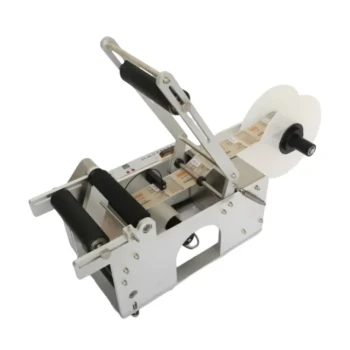
- Semi Automatic Round Bottle Labeling Machine
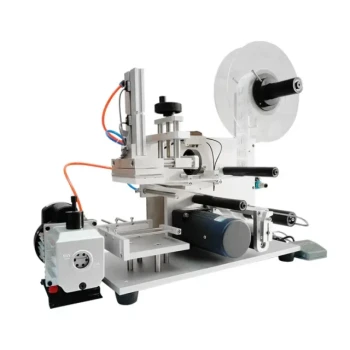
- HONESTBEE Pneumatic Flat Surface Labeling Machine
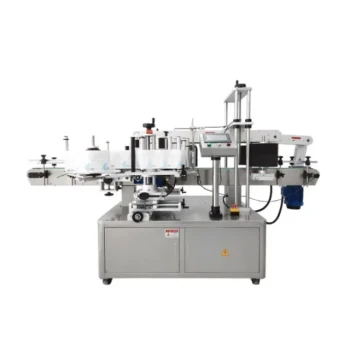
- Automatic Dual Sided In Line Labeling Machine
- Professional Engraved Round Hive Number Tags for Beekeeping
People Also Ask
- What are the structural advantages of bee hives with high-efficiency ventilation? Prevent Honeycomb Thermal Collapse
- How do different beekeeping hive structures influence productivity? Optimize Designs for Maximum Honey Yield
- Why Increase Hive Installation Quantity in Commercial Apiaries? Offset Climate Risks with Scalable Infrastructure
- How does the design of improved beekeeping hives contribute to maintaining honey quality and purity? Enhancing Purity
- What factors determine the necessary hive configuration for an apiary? Optimize Hive Setup for Better Colony Survival