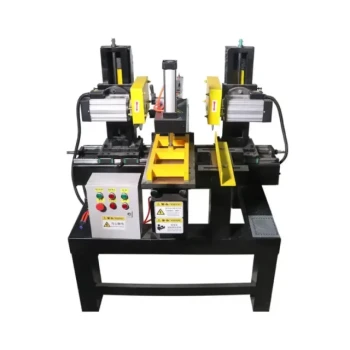
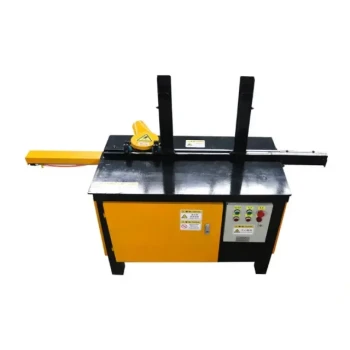
Specialized manufacturing machinery and construction tools fundamentally transform apiary efficiency by enforcing strict standardization and accelerating infrastructure deployment. Instead of treating each hive as a unique project, these technologies enable the mass production of interchangeable components, allowing beekeepers to manage colonies as modular units rather than individual, bespoke structures.
The Core Insight The true value of specialized machinery lies in creating a hardware foundation for industrial-scale beekeeping. By ensuring precision and uniformity, these tools unlock the ability to swap components seamlessly, transport hives safely, and scale operations without a proportional increase in labor.
The Strategic Value of Standardization
Establishing Component Interchangeability
The primary driver of efficiency in large-scale apiaries is the ability to move frames and hive bodies between colonies without friction. Specialized woodworking machines and assembly molds ensure that every component meets precise, uniform specifications.
This eliminates the time wasted trying to fit mismatched parts during inspections. It is the critical prerequisite for modular management, allowing frames to be transferred easily for honey harvesting or colony balancing.
Enabling Industrial Scalability
Industrial-grade machinery facilitates the standardized, large-scale production of beehives, which serves as the physical backbone for expanding operations.
By mechanizing the production process, beekeepers can reduce the initial construction costs per unit. This structural consistency is essential for moving from small-scale management to industrialized apiculture.
Improving Transport and Migration
Standardized hives manufactured with high precision feature tight-fitting internal components. This structural integrity is vital for migratory beekeeping, where hives are frequently transported to different vegetation zones.
Tighter tolerances reduce the risk of hive damage and bee mortality during transport. This reliability enables beekeepers to confidently engage in large-scale pollination operations and remote colony migration.
Accelerating Deployment and Responsiveness
Capturing Seasonal Windows
Efficient construction tools significantly shorten the infrastructure deployment cycle. This speed is operationally critical because honey production relies on specific, often fleeting, flowering periods.
By rapidly assembling and deploying hives, beekeepers can respond quickly to seasonal changes. This ensures colonies are in position to capture the optimal windows for nectar collection across different zones.
Enhancing Colony Survival and Yields
Well-structured, standardized hives provide a controlled environment that improves overwintering survival rates. The precision of the equipment ensures better insulation and protection for the colony.
Furthermore, mechanized management facilitated by these hives leads to higher production efficiency per colony. In regions with traditionally low yields, this shift to high-performance, standardized hardware can significantly boost output.
Optimizing Labor and Ergonomics
Reducing Labor Intensity
The implementation of professional machinery transforms traditional manual labor into semi-automated or automated processes. Tools like automatic scrapers and high-efficiency pollen traps drastically reduce the physical burden on the operator.
This reduction in labor intensity is a key strategy for counteracting rising labor costs. It allows fewer operators to manage a larger number of hives effectively.
Improving Hygiene and Ergonomics
Specialized machinery allows for the customization of tools to improve ergonomic performance for the operator. This customization makes daily tasks less physically taxing and more sustainable over long periods.
Additionally, automated equipment increases hygiene standards during tasks like honey extraction and pollen collection. This results in a cleaner end product and a healthier environment for the bees.
Critical Considerations for Implementation
Balancing Standardization with Customization
While standardization is critical for interchangeability, it must not come at the expense of environmental suitability. The machinery should be used to customize equipment specifications to local bee species and environmental characteristics.
The goal is to produce standardized units that are customized for your specific region, rather than generic units that fit nowhere perfectly. Ignoring local adaptation in favor of generic standardization can lead to reduced durability and lower operational efficiency.
Making the Right Choice for Your Goal
To maximize the impact of your equipment investment, align your tooling choices with your primary operational objective:
- If your primary focus is Scalability and Growth: Prioritize precision woodworking machinery that guarantees 100% component interchangeability to streamline mass management.
- If your primary focus is Migratory Beekeeping: Focus on assembly molds and high-precision tools that ensure tight structural fits to withstand the rigors of frequent transport.
- If your primary focus is Labor Reduction: Invest in automated extraction and maintenance tools to convert high-intensity manual tasks into mechanized processes.
Ultimately, specialized machinery is not just about building hives faster; it is about establishing a standardized infrastructure that allows your apiary to operate as a cohesive, scalable industrial system.
Summary Table:
| Efficiency Driver | Key Benefit of Specialized Tools | Operational Impact |
|---|---|---|
| Standardization | Component interchangeability | Seamless hive management & modular swapping |
| Scalability | Mass production of uniform units | Reduced cost per unit; faster expansion |
| Mobility | Precision structural fitting | Safer transport for migratory beekeeping |
| Speed | Rapid infrastructure deployment | Capturing fleeting seasonal flowering windows |
| Labor | Semi-automated maintenance | Lower physical intensity; reduced labor costs |
| Hygiene | Automated extraction tools | Higher product purity and colony health |
Scale Your Apiary Operations with HONESTBEE
Transform your beekeeping from manual labor to an industrial-scale success. HONESTBEE provides commercial apiaries and distributors with high-precision manufacturing machinery, honey-filling systems, and professional-grade tools designed for maximum durability and standardization.
Whether you need hive-making equipment to ensure 100% component interchangeability or advanced machinery to reduce operational overhead, we deliver the comprehensive wholesale solutions your business requires.
Ready to modernize your infrastructure?
Contact HONESTBEE Today to discuss our full spectrum of beekeeping equipment and cultural merchandise.
References
- Sênan Christa Lokossou, Akpovi Akoègninou. Diversité et vertus thérapeutiques des ressources floristiques de production de miel au Bénin. DOI: 10.4314/ijbcs.v13i1.24
This article is also based on technical information from HonestBee Knowledge Base .
Related Products
- High-Efficiency Pneumatic Bee Hive Making Machine for Rapid Box Assembly
- Beehive Machine Double End Saw for Precision Hive Component Manufacturing
- Beehive Handle and Frame Rest Cutting Machine: Your Specialized Hive Machine
- Mini Desktop Bee Hive Frame Forming Making Machine
- Automatic High-Speed Bee Hive Box Stapling Machine
People Also Ask
- How does the introduction of professional beehive-making machinery benefit sustainable beekeeping? Scale Your Apiary
- Why is specialized beehive-making machinery critical for low-defense breeding? Enhance Selection with Precision Tools
- How does the introduction of specialized beehive making machinery contribute to increasing the scale of regional beekeeping industries?
- What is the importance of specialized beehive making machinery in a circular bio-economy? Build Local Sustainability
- Why is specialized beehive-making machinery essential? Scale Your Apiary with Precision Industrial Standards