Precision-engineered beekeeping equipment is the foundational requirement for producing high-purity varietal honey. Specialized beehive supers allow producers to capture nectar during narrow 10-to-14-day blooming windows, while industrial extraction and filling machinery ensure the physical isolation and hygienic integrity required to command a market price premium.
Specialized equipment secures varietal purity by combining rapid-response hive management with mechanized, non-contact processing. This synergy allows distributors to supply high-quality, monofloral products that meet strict global food safety and botanical standards.
The Role of Specialized Supers in Capturing Specific Blooms
Precision Timing for Short Nectar Flows
Varietal honey depends on capturing nectar from specific botanical sources that often bloom for as little as 10 days. Quick-assembly honey supers are designed for rapid deployment, allowing beekeepers to add and remove storage space exactly when the target flora is at its peak.
Botanical Isolation Through Frame Management
Specialized hive systems enable beekeepers to clear supers and manage frames with surgical precision. This ensures that nectar from secondary sources does not dilute the primary varietal, maintaining the flavor profile and nutritional bioactivity required by discerning B2B buyers.
Optimized Space and Temperature Control
Standardized hives produced by specialized machinery offer superior internal climate control compared to traditional methods. This optimization helps colonies dehydrate nectar more efficiently, leading to a more stable and high-quality final product even in challenging environments.
Advanced Extraction and Filtration for Purity Isolation
Centrifugal Technology and Yield Maximization
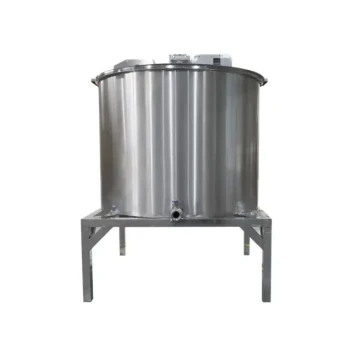
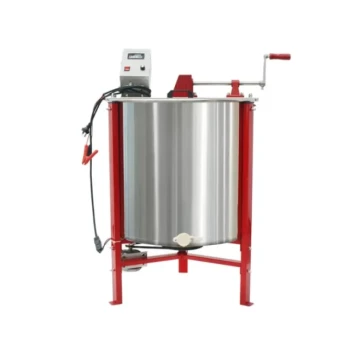
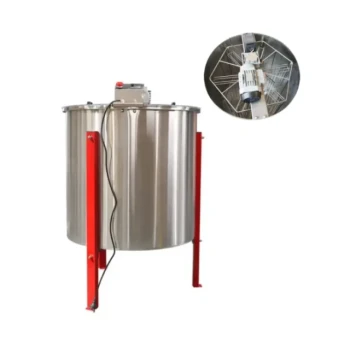
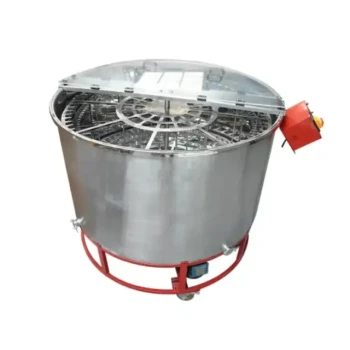
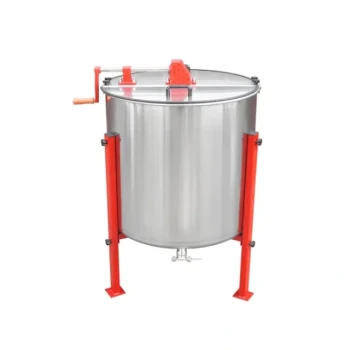
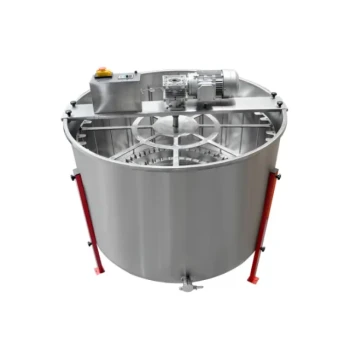
Professional-grade centrifugal honey extractors utilize industrial-strength rotation to separate honey from the comb without damaging the wax structure. This mechanization minimizes residue, significantly increasing the total yield per hive compared to manual methods.
Eliminating Cross-Contamination
High-purity varietal honey requires strict physical isolation during the processing stage. Professional filtration and filling lines are designed to be thoroughly cleaned or dedicated to specific honey types, preventing the blending of different botanical profiles.
Non-Contact Processing and Food Safety
Mechanized extraction and bottling ensure that honey remains in a closed system, protected from external environmental factors. This preserves the physical properties and enzymes of the honey, ensuring it meets the rigorous market access standards of global distributors.
Standardization and Industrial Scalability
The Impact of "Bee Space" Precision
Industrial hive-making machines produce frames with precise "bee space" dimensions. This standardization guides bees to build nests and store honey in a predictable manner, which is essential for non-destructive extraction and large-scale apiary management.
Efficient Order Fulfillment for Wholesalers
Standardized equipment allows for a predictable production volume, which is critical for distributors managing complex supply chains. When every hive and extractor operates at the same industrial standard, wholesalers can guarantee consistency in quality and delivery timelines to their clients.
Bridging the Gap to Global Markets
The transition from traditional beekeeping to mechanized processing allows for high-volume output without sacrificing quality. This technological bridge is what enables producers to move from local craft production to fulfilling large-scale international contracts.
Understanding the Trade-offs
Capital Investment vs. Long-term Yield
The primary drawback of specialized machinery is the significant initial capital expenditure required for high-precision hive-making and extraction lines. While these tools increase yield and purity, they require a higher volume of production to achieve a favorable return on investment.
Technical Complexity and Maintenance
Advanced honey-filling and centrifugal machines require skilled operators and regular technical maintenance. A lack of local technical support or spare parts can lead to downtime during critical, short blooming periods, potentially ruining a season’s varietal harvest.
Standardization vs. Traditional Methods
While standardized hives optimize production, they may require more intensive management of colony health compared to traditional, low-intervention methods. Distributors must ensure their suppliers have the technical expertise to manage these modern systems effectively.
How to Apply This to Your Sourcing Strategy
Choosing the right equipment and suppliers is critical for maintaining a competitive edge in the premium honey market.
- If your primary focus is Market Premium and Brand Reputation: Prioritize suppliers who utilize dedicated filtration and non-contact filling machinery to guarantee 100% botanical purity and food safety.
- If your primary focus is Supply Chain Stability and High Volume: Source from producers using standardized, industrial hive systems and high-speed centrifugal extractors to ensure consistent year-over-year output.
- If your primary focus is Rapid Response and Market Agility: Look for one-stop sourcing partners who offer a full-spectrum portfolio of quick-assembly supers and modular extraction tools to adapt to changing blooming seasons.
By investing in the right technical infrastructure, beekeeping operations can transform seasonal nectar flows into highly profitable, standardized global commodities.
Summary Table:
| Equipment Type | Key Feature | Impact on Varietal Purity |
|---|---|---|
| Specialized Supers | Rapid-deployment design | Captures specific nectar flows in narrow 10-14 day windows. |
| Centrifugal Extractors | Industrial-strength rotation | Maximizes honey yield while preserving comb and honey integrity. |
| Filtration & Filling | Closed, non-contact systems | Prevents cross-contamination and maintains botanical profile. |
| Hive-Making Machines | Precision "bee space" | Ensures standardized frame dimensions for consistent extraction. |
Scale Your Honey Business with HONESTBEE
Are you a distributor or commercial apiary looking to dominate the premium varietal honey market? HONESTBEE is your strategic partner for one-stop beekeeping sourcing. We provide a full spectrum of industrial equipment—from hive-making and honey-filling machines to specialized consumables—designed to maximize your profit margins and ensure supply reliability.
Why partner with us?
- Comprehensive Portfolio: Everything from hardware to honey-themed merchandise.
- B2B Excellence: Dedicated OEM/ODM support and deep professional industry expertise.
- Rapid Fulfillment: Ultra-fast delivery and efficient order processing to meet your timelines.
Elevate your production standards and secure your global market share today. Contact our expert team now to request a wholesale quote!
References
- Douglass W. Potter. A GIS Model for Apiary Site Selection Based on Proximity to Nectar Sources Utilized in Varietal Honey Production on Former Mine Sites in Appalachia. DOI: 10.13023/etd.2019.098
This article is also based on technical information from HonestBee Knowledge Base .
Related Products
- Stainless Steel Manual 8 Frame Radial Honey Extractor Machine for Beehives
- Stainless Steel 3 Frame Manual Honey Extractor Spinner for Bee Honey Extraction
- 32 Frame Commercial Electric Honey Extractor for Beekeeping and Honey Production
- HONESTBEE 6 Frame Three Use Electric Honey Extractor for Beekeeping
- Plastic Hand Crank 2 Frame Honey Extractor Low Price
People Also Ask
- What types of beehive frames are compatible with honey extractor machines? Find the Perfect Match for Your Apiary
- Which type of honey extractor is generally more durable? Focus on Material & Build Quality for Longevity
- What are the key features and benefits of a stainless steel honey extractor? Upgrade to Professional Purity
- What is a manual honey extractor? The Essential Guide to Cost-Effective Beekeeping for Beginners
- What are the disadvantages of a manual honey extractor? Overcome Efficiency Bottlenecks in Your Apiary