The collection and preservation of bee pollen relies on a two-step system: mechanical interception followed by biological stabilization. Specialized traps installed at the hive entrance harvest fresh pollen by physically stripping pellets from the legs of returning foragers, while subsequent mixing with honey utilizes high osmotic pressure to halt degradation and maintain nutritional bioactivity.
The core challenge in pollen production is converting a highly perishable raw material into a stable product without losing nutritional value. While mechanical traps efficiently harvest the resource, mixing the pollen with honey provides the essential preservation mechanism, utilizing osmotic pressure to inhibit microbial growth and extend shelf life naturally.
The Mechanics of Efficient Collection
To secure high-purity pollen for commercial use or research, one must intercept it before it is stored in the hive's combs.
Precision Physical Interception
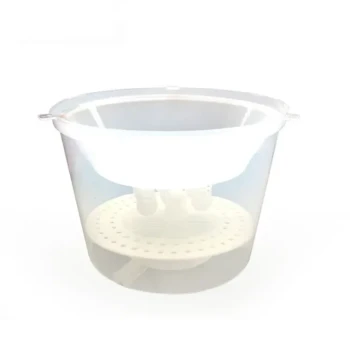
Pollen traps are hardware devices installed directly at the hive entrance. They feature precision-designed grids or mesh barriers with specific aperture sizes.
The Stripping Mechanism
As foraging bees attempt to enter the hive through these grids, the mechanical structure physically scrapes the pollen pellets attached to their hind legs. These pellets fall through a screen into a collection drawer below, inaccessible to the bees but easily removable by the beekeeper.
Non-Invasive Sampling
This method allows for the collection of environmental pollen samples without disrupting the internal colony structure. It enables the monitoring of flowering dynamics and nutritional availability without requiring the destruction of hive components or the crushing of bees.
The Science of Preservation
Once collected, fresh pollen is chemically unstable and prone to rapid degradation.
The Freshness Paradox
Freshly harvested pollen has a high moisture content and a short shelf life. Without immediate intervention, the physiological activity of the pollen creates an environment conducive to rapid microbial growth and nutritional decay.
Honey as a Stabilizing Agent
To preserve the pollen's market value and nutritional profile, it is often mixed with honey in specific ratios. This creates a suspension that leverages the natural properties of honey as a preservative.
The Role of Osmotic Pressure
The primary mechanism of action here is osmotic pressure. The high sugar concentration of honey creates an environment where bacteria and yeast cannot survive or reproduce, effectively locking in the pollen's nutritional value and preventing spoilage.
Understanding the Operational Trade-offs
While these techniques are effective, they introduce specific management challenges that must be respected to maintain colony health.
Balancing Colony Nutrition
Pollen is the primary protein source for the bee colony. Traps typically intercept approximately 50% of the incoming pollen loads. While this allows for sampling, leaving the traps on too long during protein-scarce periods can severely impact the colony’s ability to rear brood.
Maintenance Requirements
The collection drawers in pollen traps must be emptied regularly. If pollen is left in the trap too long before being mixed with honey, ambient moisture and heat can initiate spoilage before the preservation process even begins.
Making the Right Choice for Your Goal
Whether you are a commercial producer or a researcher, the application of these tools depends on your specific objective.
- If your primary focus is commercial production: Prioritize a strict schedule of collection and immediate mixing with honey to maximize the market value and shelf life of the product.
- If your primary focus is environmental monitoring: Use the traps to gather diverse samples for analyzing plant species richness, but employ intermittent trapping schedules to avoid stressing the colony.
- If your primary focus is colony health: Monitor the collection rates closely; if pollen intake drops significantly, remove the traps immediately to ensure the bees have sufficient protein reserves.
By combining mechanical precision with natural chemical preservation, you can secure a high-quality product while maintaining a sustainable apiary.
Summary Table:
| Process Component | Primary Mechanism | Key Benefit for Apiaries |
|---|---|---|
| Pollen Trap Hardware | Mechanical stripping via precision grids | High-purity collection without hive disruption |
| Collection Drawer | Physical separation from foragers | Prevents consumption and contamination by bees |
| Honey-Mixing | High osmotic pressure stabilization | Inhibits microbial growth and extends shelf life |
| Strategic Scheduling | Managed interception (approx. 50%) | Balances commercial yield with colony brood health |
Maximize Your Apiary’s Output with HONESTBEE
Transition from basic harvesting to high-efficiency commercial production with professional-grade equipment. At HONESTBEE, we empower commercial apiaries and distributors by supplying a comprehensive range of beekeeping tools, specialized hardware, and essential consumables.
From precision-engineered pollen traps to advanced honey-filling and processing machinery, our portfolio is designed to enhance your operational efficiency and product quality. Partner with us to access wholesale solutions tailored to the needs of the modern beekeeping industry.
Ready to scale your business? Contact us today to explore our full spectrum of beekeeping equipment!
References
- Margit Csipkés, S. Nagy. INVESTIGATION OF THE COMMERCIAL SITUATION AMONG BEEKEEPERS IN HUNGARY FROM 2010 TO THE PRESENT. DOI: 10.47535/1991auoes30(1)001
This article is also based on technical information from HonestBee Knowledge Base .
Related Products
- Removable Plastic Pollen Trap With Ventilated Tray for Bees Pollen Collector
- 30 cm Plastic Entrance Hole Bee Pollen Trap and Collector
- Plastic Bee Pollen Trap Strips Comb Catcher Collector
- High-Efficiency Diamond Maze Bee Escape for Clearing Supers
- Professional Bucket Style Wasp and Moth Pheromone Trap
People Also Ask
- What are the design principles and advantages of pollen traps in the collection of bee pollen? Boost Your Apiary Yield
- What is the function of professional pollen traps in evaluating honey plants? Quantifying Pollination and Crop Potential
- What functions do pollen traps serve for bee bread production? Optimize Your Raw Material Collection
- What maintenance and pest prevention measures should be taken for pollen traps? Protect Your Hive and Harvest Quality
- How does the use of pollen traps in honeybee hives enhance crop fertilization? Boost Your Yield Through Induced Activity