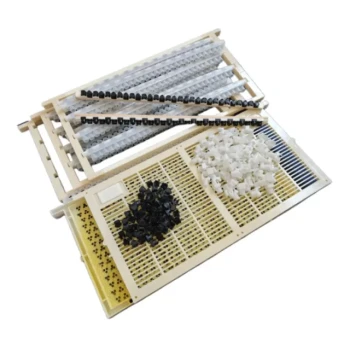
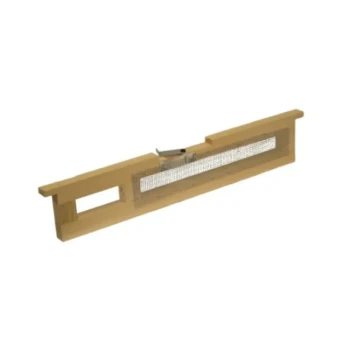
Specialized queen rearing equipment acts as a biological firewall for your apiary. By creating strictly controlled breeding environments, these tools physically isolate Apis mellifera mellifera (the Dark Bee) from the genetic influence of hybrid species. This isolation is the specific mechanism that prevents cross-breeding, ensuring the continuation of the Dark Bee's unique gene pool.
The genetic advantages that allow the Dark Bee to thrive in cold climates are easily lost through uncontrolled mating. Specialized isolation consumables provide the necessary infrastructure to lock in these traits, preserving the species' efficiency during short flowering periods.
The Mechanics of Genetic Preservation
Creating Controlled Breeding Environments
The primary function of specialized queen rearing equipment is to establish a perimeter around the mating process.
In an open apiary, queens mate freely with available drones. Specialized tools restrict this interaction to a selected pool of purebred drones. This control is essential for maintaining the lineage of the Dark Bee.
Preventing Hybridization
Cross-breeding with hybrid species dilutes the specific traits that define the Dark Bee.
Isolation consumables serve as physical barriers or spatial guides that prevent foreign genetics from entering the colony equation. By blocking access to hybrid drones, these consumables ensure that only the desired genetic markers are passed to the next generation.
Preserving Biological Advantages
The Dark Bee possesses a distinct biological advantage: efficient honey collection in cold climates.
This trait is tied directly to its genetic purity. If the gene pool is compromised by hybrids adapted to warmer climates, the colony's ability to forage effectively during short, cold flowering windows diminishes.
Enhancing Colony Efficiency
Reducing Energy Expenditure
While isolation tools protect genetics, high-performance consumables like quality comb foundations support the colony's physical work.
These foundations guide bees to build neat honeycombs more rapidly. This reduces the substantial energy expenditure required for wax secretion.
Maximizing Apiary Output
When bees spend less energy building comb, they redirect that energy toward nectar collection.
By combining genetic purity (for climate adaptation) with high-quality consumables (for energy efficiency), you shorten the production cycle. This combination directly increases the honey yield per hive.
Understanding the Trade-offs
Management Complexity
Implementing isolation equipment requires a higher level of technical skill than standard open mating.
The beekeeper must precisely time the rearing cycles to match the availability of pure drones. Mismanagement of the isolation window can lead to failed matings or drone-laying queens.
Resource Investment
Specialized consumables represent a higher upfront cost compared to standard equipment.
While the long-term yield increases through better genetics and efficiency, the initial financial and labor investment is significant. This approach is best suited for apiaries focused on long-term sustainability rather than quick, low-effort expansion.
Ensuring Long-Term Apiary Success
To apply this to your project, you must balance genetic goals with production needs.
- If your primary focus is Genetic Conservation: Prioritize isolation consumables to create a closed loop that prevents hybrid introgression and secures cold-weather traits.
- If your primary focus is Maximizing Yield: Combine genetic isolation with high-quality comb foundations to minimize colony energy waste and maximize nectar storage.
By rigorously controlling the breeding environment, you transform your equipment from simple tools into guardians of the Dark Bee’s evolutionary advantage.
Summary Table:
| Feature | Role in Genetic Preservation | Impact on Colony Performance |
|---|---|---|
| Queen Rearing Kits | Controlled breeding environment | Prevents hybridization with non-native drones |
| Isolation Barriers | Physical genetic firewall | Maintains pure Dark Bee lineage and cold-hardiness |
| Selected Drones | Controlled mating pool | Ensures transmission of desired genetic markers |
| Quality Foundations | Energy optimization | Reduces wax secretion labor, increasing nectar yield |
| Timing Protocols | Synchronization | Maximizes mating success within purebred populations |
Secure Your Apiary’s Genetic Legacy with HONESTBEE
Preserving the resilient traits of the Dark Bee requires more than just standard tools—it demands precision-engineered equipment. HONESTBEE specializes in supporting commercial apiaries and distributors with a comprehensive range of professional beekeeping solutions. From specialized queen rearing kits and isolation consumables to advanced hive-making and honey-filling machinery, we provide the infrastructure needed to maintain genetic purity and maximize honey output.
Partner with us to access high-quality wholesale beekeeping tools and essential industry consumables tailored for long-term sustainability. Contact HONESTBEE today to discuss how our portfolio can enhance your breeding programs and operational efficiency.
References
- Maria Martynova. IMPROVING THE FORAGE FOR HONEY BEES IN THE REPUBLIC OF BASHKORTOSTAN. DOI: 10.31563/1684-7628-2020-54-2-38-44
This article is also based on technical information from HonestBee Knowledge Base .
Related Products
- Retractable Chinese Queen Rearing Grafting Tools Equipment
- No Grafting Queen Rearing Kit: System for Royal Jelly Production and Queen Rearing
- Premium Nicot Style Queen Rearing Kit with Hair Roller Bee Cages
- Nicot Queen Rearing Kit for Beekeeping and Grafting in Nicot System
- Stainless Steel Beekeeping Queen Grafting Tool for Honey Bee Rearing
People Also Ask
- Which specialized tools are necessary for implementing standardized queen rearing? Scale Your High-Yield Apiary
- Why are specialized queen rearing tools necessary to mitigate winter hive losses? Boost Apiary Survival and Recovery
- How do queen-rearing tools facilitate the sustainability and expansion of a commercial apiary? Drive Scalable Growth
- In what ways do modern queen rearing equipment and grafting tools improve competitiveness? Boost Breeding Success Rate
- What role do specialized queen rearing tools and consumables play in modern large-scale apiculture? Drive Production & Scale