The critical queen-rearing window is the first 24–48 hours after a female worker larva hatches. During this period, nurse bees can redirect the larva into queen development by placing it in a vertical queen cell and feeding it abundant royal jelly. For the highest-quality queens, commercial breeders generally target larvae younger than 36 hours, because older larvae may develop into smaller queens with reduced reproductive capacity.
Queen rearing is a race against larval age. Commercial tools such as grafting needles, artificial queen cups, and cell-bar frames are designed to transfer very young larvae quickly and accurately before their development becomes committed to the worker pathway.
Why Larval Age Determines Queen Development
Worker and queen bees begin from the same biological starting point
Both queens and workers develop from fertilized female eggs. Their different forms are determined primarily by larval nutrition, cell structure, and the timing of intervention—not by different genetics at the egg stage.
During the earliest larval period, nurse bees provide brood food to all female larvae. This creates a limited opportunity to redirect a worker larva toward queen development.
The first two days are the decisive window
A female worker larva that is approximately 24–48 hours old or younger can still develop into a fully functional queen when continuously supplied with royal jelly.
After this window, the larva’s diet normally shifts toward worker food containing honey and pollen components. At that point, its body develops along the worker pathway, making successful queen conversion less reliable.
Younger larvae generally produce better queens
Although larvae under 48 hours may be used, selecting larvae under approximately 36 hours old is preferred for commercial production. Younger larvae have more developmental potential and are less likely to produce undersized queens with fewer ovarioles, the egg-producing structures in the ovaries.
How the Natural Process Guides Commercial Equipment
Artificial cups reproduce the queen-cell environment
Natural queen cells are large, vertically hanging structures that face downward. They provide space for the larva to grow and signal nurse bees to treat it as a developing queen.
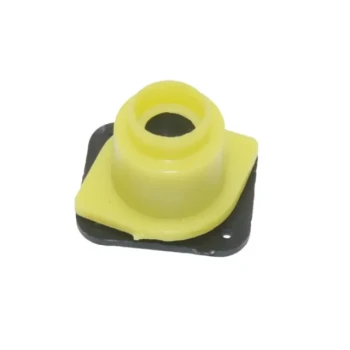
Artificial queen cups reproduce this basic structure. When young grafted larvae are placed in these cups and accepted by nurse bees, the colony enlarges and extends the cups into queen cells.
Grafting tools protect the larva during transfer
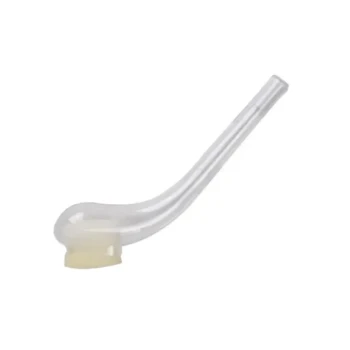
A grafting needle or grafting tool is used to move a very young larva from a worker cell into an artificial queen cup. The tool must support precise placement while minimizing damage, drying, or exposure during transfer.
This makes tool quality important for both success rate and operational speed, particularly in commercial apiaries handling many larvae per production cycle.
Cell bars create a scalable production format
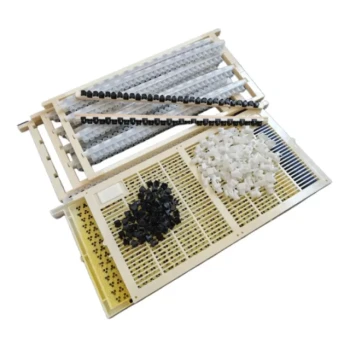
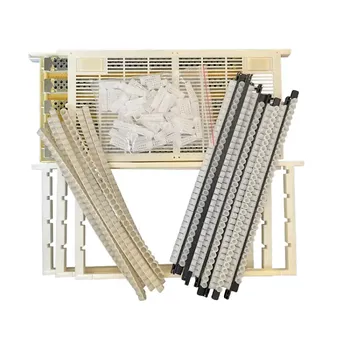
Cell-bar frames hold multiple artificial cups in an organized layout. They allow breeders to:
- Transfer many larvae in a single workflow.
- Maintain consistent spacing between developing queen cells.
- Move accepted cells between starter, builder, and mating colonies.
- Harvest mature cells efficiently.
- Standardize production across multiple hives or apiary sites.
For distributors and commercial buyers, this means queen-rearing equipment should be evaluated as a coordinated system, not as isolated products.
The Development Schedule Dictates Workflow
Grafting must occur at the correct larval age
The practical decision point is not simply whether a larva is present. Operators must identify larvae that are young enough—ideally less than 36 hours old and generally no more than 48 hours old—to retain strong queen-development potential.
This requires rapid inspection, dependable grafting tools, suitable lighting, and efficient handling procedures.
Queen development takes approximately 16 days
A queen develops from egg to emergence in roughly 15.5–16 days:
- Approximately 3 days as an egg.
- Approximately 5.5 days as an open larva.
- Approximately 7.5 days as a capped pupa.
Temperature and colony conditions can influence the exact timing, so production schedules should include operational flexibility.
Capped cells require careful handling
Once queen cells are capped, the developing pupa becomes particularly vulnerable to shock and disturbance. Commercial operators must avoid unnecessary movement during the fragile pupal stage.
Mature capped cells are typically harvested and introduced into mating nuclei close to emergence, reducing the risk that an emerged virgin queen will destroy competing queen cells.
Why Controlled Queen Rearing Matters Commercially
Natural emergency cells are difficult to standardize
A queenless colony can naturally select worker larvae and build emergency queen cells. However, this process offers limited control over:
- Larval age.
- Number of queens produced.
- Genetic selection.
- Cell timing and maturity.
- Distribution of queen cells among colonies.
For replacement-queen production, these variables can create inconsistent results.
Equipment enables genetic and production control
Using grafting tools and cell-bar systems allows breeders to select larvae from colonies with desirable traits, such as:
- Gentle behavior.
- Strong colony performance.
- Hygienic behavior.
- Reduced tendency to swarm.
- Better suitability for local production conditions.
The equipment does not create queen quality by itself. It enables the beekeeper to apply the biological process at the correct age and under controlled colony conditions.
Starter and builder colonies remain essential
Artificial cups and grafting tools work only when the receiving colony is prepared to rear queens. Well-fed nurse bees, suitable colony strength, and an appropriate starter or queenless builder colony are essential for acceptance and continuous royal jelly feeding.
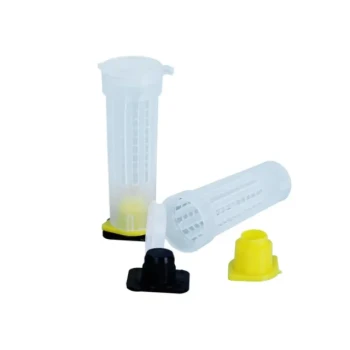
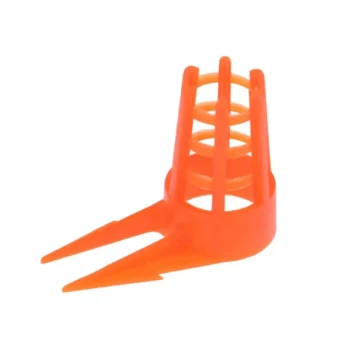
This is why a complete queen-rearing program may require more than cups and grafting needles. It can also involve cell-bar frames, queen-rearing kits, mating nuclei, cell protectors, and compatible replacement components.
Understanding the Trade-offs
A broader age window improves convenience but may reduce quality
Accepting larvae up to 48 hours old provides more flexibility during inspection and grafting. However, selecting larvae near the upper limit can increase the risk of lower-quality queens compared with using larvae younger than 36 hours.
The best commercial practice is therefore to treat 48 hours as a practical maximum, not as the preferred target.
Faster tools do not replace biological timing
A high-quality grafting tool can improve handling precision, but it cannot compensate for larvae that are too old or for poor colony conditions. Timing, nutrition, and nurse-bee acceptance remain the controlling factors.
More equipment increases capability and coordination requirements
A full queen-rearing system supports larger production volumes, but it also requires disciplined scheduling. Cell bars, starter colonies, builder colonies, mating nuclei, and delivery or introduction procedures must be synchronized.
For wholesalers and distributors, reliable fulfillment of compatible components is therefore as important as the specification of any individual tool.
Temperature and handling can change the schedule
The 15.5–16-day development period is a planning guideline rather than an absolute clock. Excessive handling, temperature variation, poor nutrition, or delayed transfers can reduce emergence and mating success.
Operators should plan around developmental stages while verifying actual cell maturity in the apiary.
Making the Right Choice for Your Goal
Commercial queen-rearing tools should be selected according to the production scale, larval-handling requirements, and level of schedule control needed.
- If your primary focus is high queen quality: Prioritize larvae under 36 hours old, precise grafting tools, and strong nurse colonies capable of continuous royal jelly feeding.
- If your primary focus is scalable production: Use cell-bar frames, artificial queen cups, and coordinated queen-rearing kits that support repeatable multi-cell workflows.
- If your primary focus is distributor or wholesale supply: Stock compatible cups, frames, grafting tools, protectors, and replacement parts as a complete sourcing solution.
- If your primary focus is rapid order fulfillment: Choose suppliers with dependable inventory, fast response times, technical product expertise, and efficient delivery of complete equipment sets.
- If your primary focus is predictable colony scheduling: Align grafting, cell-builder management, capped-cell handling, and mating-nucleus transfers with the approximately 16-day queen-development cycle.
When larval age, colony biology, equipment compatibility, and fulfillment timing are managed together, queen rearing becomes a controlled and repeatable production process.
Summary Table:
| Aspect | Key Detail |
|---|---|
| Critical Age | First 24–48 hours after hatching; preferred under 36 hours |
| Development Path | Queen and worker larvae start identical; nutrition and cell structure determine outcome |
| Queen Development Time | ~16 days from egg to emergence (3 days egg, 5.5 days larva, 7.5 days pupa) |
| Essential Tools | Grafting needles, artificial queen cups, cell-bar frames |
| Quality Factors | Young larvae, strong nurse colonies, minimal handling, correct timing |
| Commercial Considerations | Standardization, genetic selection, scalability, and reliable component supply |
Optimize your queen rearing with HONESTBEE's comprehensive equipment range. From grafting needles and queen cups to cell-bar frames and full kits, we supply everything you need for precise, controlled queen production. Our wholesale solutions are designed for commercial apiaries and distributors, offering OEM/ODM support, rapid fulfillment, and expert guidance. Contact us today to secure your supply and enhance your production efficiency.
Related Products
- Retractable Chinese Queen Rearing Grafting Tools Equipment
- Plastic Chinese Queen Grafting Tool for Bee Queen Rearing
- Stainless Steel Beekeeping Queen Grafting Tool for Honey Bee Rearing
- Stainless Steel Queen Grafting Tool for Beekeeping and Bee Queen Grafting
- Plastic Beekeeping Honey Bee Larvae Grafting Tools for Queen Rearing and Chinese Grafting
People Also Ask
- Which specialized tools are necessary for implementing standardized queen rearing? Scale Your High-Yield Apiary
- How does selective queen rearing benefit an apiary? Discover Essential Tools for High-Quality Queen Bees
- Why are specialized queen rearing tools necessary to mitigate winter hive losses? Boost Apiary Survival and Recovery
- What operational workflows and queen rearing tools are required for implementing instrumental insemination and isolated mating in commercial queen breeding programs?
- How do queen-rearing tools facilitate the sustainability and expansion of a commercial apiary? Drive Scalable Growth