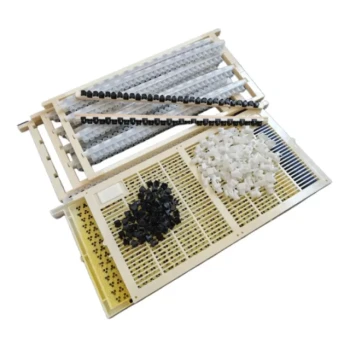
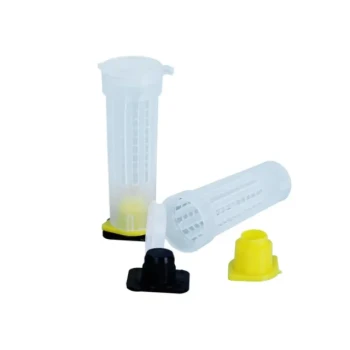
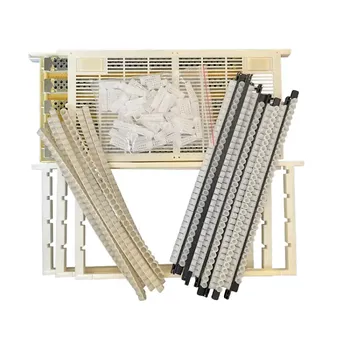
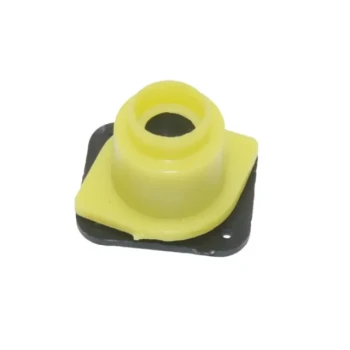
Queen caste development is governed primarily by larval nutrition, developmental timing, and colony conditions—not by genetics alone. Female larvae can develop into workers or queens, but larvae selected at a very young age and placed in enlarged, vertically oriented queen-cell cups receive abundant royal jelly from nurse bees, directing development toward the queen phenotype. Specialized tools such as grafting needles, artificial cell cups, cell-bar frames, starter and finisher colonies, and mating equipment make this biological process repeatable at commercial scale.
Commercial queen production succeeds when equipment supports the biology: select suitable young female larvae, provide the correct cell structure and nutrition, maintain strong nurse colonies, and manage mating and transport under controlled conditions.
What Governs Queen Caste Development?
Female larvae have the developmental potential to become queens
Queens and workers are both female honey bees, but they follow different developmental pathways. The deciding factors include larval age, diet, feeding continuity, cell environment, and colony condition.
The breeder’s task is therefore not to create a queen from a different type of egg. It is to direct a suitable female larva toward queen development before its developmental pathway becomes committed to worker growth.
Royal jelly is the central nutritional signal
Worker larvae receive progressively different food as they develop, while queen-destined larvae receive large quantities of royal jelly throughout the larval period. This sustained feeding supports the queen’s distinctive reproductive anatomy, physiology, and development.
The key requirement is not simply the presence of royal jelly. Timing, quantity, and uninterrupted nurse-bee care are equally important, which is why strong, well-provisioned colonies are essential to successful queen rearing.
Cell structure reinforces the queen pathway
Natural queen cells are large, vertically hanging, and peanut-shaped, unlike the smaller horizontal cells used for workers. The enlarged cell gives the developing queen room to mature and signals nurse bees to treat the larva as a queen candidate.
Artificial cups do not independently transform larvae into queens. They provide a practical starting structure that nurse bees can extend into full queen cells when the colony recognizes the appropriate rearing conditions.
Colony strength determines execution quality
A graft can be technically accurate yet fail if the receiving colony lacks enough young nurse bees, food reserves, or queen-rearing motivation. Temperature stability, nectar or supplemental nutrition, pollen availability, and overall colony health all influence acceptance and development.
For commercial operations, biological consistency depends on managing the entire rearing colony, not only purchasing individual tools.
How Specialized Tools Enable Commercial Production
Grafting tools improve larval selection and timing
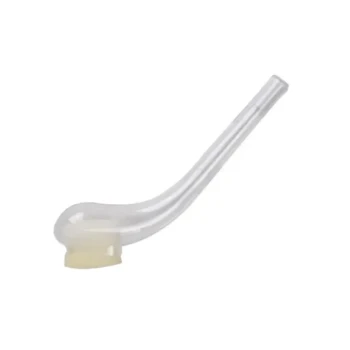
A grafting needle or fine transfer tool moves a very young worker larva from its original comb cell into an artificial queen cup. This allows breeders to select larvae from colonies with desirable traits such as gentleness, hygiene, productivity, or disease resilience.
Grafting also creates a more uniform larval age than uncontrolled emergency queen rearing. That uniformity improves scheduling for cell development, mating, queen introduction, and shipment.
Artificial cell cups standardize the starting point
Cell cups made from beeswax or molded plastic hold the grafted larvae in a consistent format. They can be produced, stored, mounted, and replaced more efficiently than relying exclusively on naturally initiated queen cells.
The cup is a consumable production component, so reliable supply and dimensional consistency matter to distributors, commercial breeders, and apiaries operating multiple colonies.
Cell-bar frames organize the rearing system
Cell bars hold rows of artificial cups inside standard hive frames. This arrangement allows breeders to move batches of larvae between starter colonies, finisher colonies, mating units, and harvesting areas with less disruption.
Standardized frames also improve inspection and inventory control. Operators can track graft dates, expected emergence, mating schedules, and customer orders more systematically.
Starter and finisher colonies separate key tasks
A starter colony provides concentrated nurse-bee attention and strong acceptance conditions for newly grafted larvae. A finisher colony then supports continued development until the queen cells are mature.
This division is central to the Doolittle grafting method, which is widely used for planned queen production. It converts an unpredictable natural process into a sequence of manageable production stages.
Mating equipment completes the production cycle
A developed queen cell is not the same as a commercially ready queen. After emergence, the virgin queen must mate successfully, usually through controlled mating nuclei or mating hives containing suitable drone populations.
Mating nucs, queen cages, marking tools, and transport equipment help breeders protect queens, identify them, introduce them into colonies, and distribute them safely. Artificial insemination can provide more precise genetic control in specialized breeding programs, but it requires additional expertise and equipment.
Why Controlled Rearing Matters to Commercial Buyers
It supports predictable volume
Natural queen cells may be produced when a colony becomes queenless or prepares to swarm, but their number and timing are difficult to control. Grafting systems allow an operator to plan batches around seasonal demand and available colony capacity.
For wholesalers and resellers, this predictability supports better purchasing, fulfillment, and customer communication.
It enables deliberate genetic selection
Controlled rearing allows breeders to select larvae from colonies demonstrating commercially valuable traits. These may include honey production, calm behavior, hygienic behavior, disease tolerance, or reduced undesirable swarming tendencies.
Equipment does not create those traits. It helps preserve and multiply selected genetics through a repeatable production process.
It improves traceability and order fulfillment
Cell bars, grafting records, queen marking, cages, and mating-nuc schedules create identifiable production steps. That structure makes it easier to track queen age, source colony, mating status, and shipment readiness.
A supplier offering a full range of compatible products can reduce delays caused by fragmented purchasing. Rapid response and dependable delivery are especially important because queen-rearing consumables are tied to biological schedules.
Understanding the Trade-offs
Equipment improves control but does not remove biological risk
Grafting tools and cell cups can improve standardization, but larval acceptance and queen quality still depend on nurse bees, nutrition, weather, disease status, and mating conditions. A well-equipped operation can still experience poor results if colony management is weak.
The correct objective is controlled variability, not the expectation of guaranteed outcomes.
Grafting requires skill and careful handling
Young larvae are fragile, and improper orientation, drying, chilling, or physical damage can reduce acceptance. Operators need training, suitable lighting and working conditions, and a consistent technique.
For smaller apiaries, the labor involved may make the Miller method or limited natural cell production more practical than a full grafting program.
Plastic and wax cups have different operational implications
Molded plastic cups offer consistency and can simplify high-volume handling. Wax cups more closely resemble natural comb materials and may suit operations that prefer producing or working with wax components.
The best choice depends on labor availability, breeder preference, sanitation practices, cost, and compatibility with existing frames and cell bars.
Seasonal timing is location-dependent
Queen production must be synchronized with forage, colony strength, drone availability, mating weather, and local seasonal conditions. A fixed calendar date cannot apply reliably to every region.
Production should generally end early enough for queens to mate successfully and for colonies to establish before adverse seasonal conditions. Local climate and drone maturity should determine the actual schedule.
Logistics can compromise a biologically successful queen
A queen that develops properly can still be damaged by rough handling, overheating, chilling, poor cage design, or delayed delivery. Transport cages, packaging procedures, and fast fulfillment are therefore part of queen-production quality—not merely post-production services.
Making the Right Choice for Your Goal
The most effective purchasing strategy is to match equipment depth with production scale, labor capability, and genetic objectives.
- If your primary focus is small-scale replacement queens: Use quality cell cups, a suitable grafting tool, and compatible cell bars while relying on a limited number of strong rearing colonies.
- If your primary focus is commercial queen volume: Build a coordinated system including grafting tools, standardized cups, cell-bar frames, starter and finisher components, mating nucs, cages, and tracking procedures.
- If your primary focus is genetic improvement: Select larvae from documented breeder colonies and consider controlled mating or artificial insemination where the required expertise and facilities are available.
- If your primary focus is distribution and resale: Prioritize a one-stop supplier with compatible products, dependable stock, rapid technical responses, and delivery performance aligned with seasonal production windows.
- If your primary focus is queen quality: Invest first in strong nurse colonies, nutrition, disease management, mating conditions, and trained handling, then use equipment to standardize each step.
When biological requirements and supply-chain execution are managed together, queen rearing becomes a dependable production system rather than an improvised seasonal task.
Summary Table:
| Aspect | Biological Requirement | Specialized Tool | Purpose |
|---|---|---|---|
| Larval Selection | Young, suitable larvae | Grafting needles | Transfer larvae with precision |
| Nutrition | Royal jelly, continuous feeding | Artificial cell cups | Provide consistent cup structure |
| Cell Environment | Enlarged vertical cells | Cell-bar frames | Organize and standardize cell cups |
| Colony Support | Strong nurse colonies | Starter/Finisher colonies | Manage acceptance and development |
| Mating & Delivery | Successful mating | Mating nucs, cages, marking tools | Complete and distribute queens |
Elevate your queen rearing with HONESTBEE's comprehensive range of grafting tools, cell cups, and mating equipment. Our one-stop sourcing and rapid delivery ensure you meet seasonal demands. Contact our experts now for tailored support and premium trading services. Contact us today.
Related Products
- Retractable Chinese Queen Rearing Grafting Tools Equipment
- Plastic Chinese Queen Grafting Tool for Bee Queen Rearing
- Stainless Steel Beekeeping Queen Grafting Tool for Honey Bee Rearing
- Stainless Steel Queen Grafting Tool for Beekeeping and Bee Queen Grafting
- Plastic Beekeeping Honey Bee Larvae Grafting Tools for Queen Rearing and Chinese Grafting
People Also Ask
- What role do queen-rearing tools play in IAPV control? Essential strategies for healthy apiaries.
- Which specialized tools are necessary for implementing standardized queen rearing? Scale Your High-Yield Apiary
- What biological window allows worker bee larvae to develop into queens, and how does this dictate the use of commercial queen rearing tools? Discover the critical first 48 hours and the equipment that supports it.
- How does selective queen rearing benefit an apiary? Discover Essential Tools for High-Quality Queen Bees
- Why are specialized queen rearing tools necessary to mitigate winter hive losses? Boost Apiary Survival and Recovery