Selective queen rearing improves an apiary by turning superior colony traits into repeatable genetic advantages. By breeding from queens and colonies with high honey productivity, gentle temperament, strong disease resistance, and low swarming tendency, beekeepers can build healthier, more manageable, and more productive stock. The process requires precise equipment—including grafting tools, queen cell cups, rearing frames, mating nucs, isolation cages, and marking pens—plus suitable drones, nutrition, weather, and colony support.
Selective queen rearing is both a genetic improvement program and a production system. The right breeding stock establishes potential, while reliable queen-rearing equipment helps convert that potential into viable, high-quality queens at scale.
How Selective Queen Rearing Benefits an Apiary
It improves honey production
Breeding from high-performing colonies helps propagate queens whose offspring can support strong foraging activity and efficient honey production.
The benefit is cumulative: replacing weaker queens with selected stock can gradually raise the productivity of the wider apiary.
It strengthens disease and pest resilience
Selecting from colonies that remain healthy under local disease and pest pressure can improve the resilience of future generations.
This does not eliminate the need for monitoring, treatment, or biosecurity. It gives the apiary a stronger genetic foundation for managing those risks.
It creates gentler, easier-to-manage colonies
Temperament is an important selection trait for commercial and hobby apiaries. Gentler colonies reduce handling difficulty and can improve worker safety and operational efficiency.
For distributors and resellers, equipment that supports consistent queen production helps customers maintain dependable stock across different apiary sizes.
It supports controlled colony renewal
Regularly producing or introducing high-quality queens helps maintain colony strength and replace aging or underperforming queens.
A planned renewal program is more reliable than waiting for colonies to replace queens naturally or responding only after productivity declines.
It can reduce swarming-related disruption
Selecting colonies with a lower tendency to swarm may help reduce production interruptions and labor associated with swarm management.
Queen rearing also gives beekeepers greater control over colony expansion, replacement, and seasonal planning.
What Tools Are Required for High-Quality Queen Rearing?
Grafting tools
Grafting needles or grafting tools are used to transfer young larvae into artificial queen cell cups.
Because larvae are delicate, properly designed tools help minimize physical damage and improve the likelihood of successful queen development.
Queen cell cups and cell bars
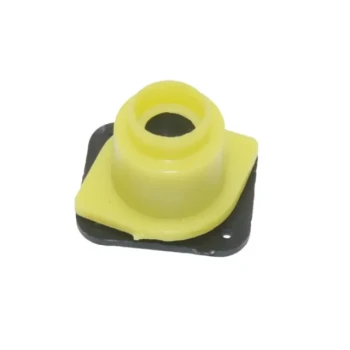
Artificial queen cell cups provide the foundation in which selected larvae are raised as queens.
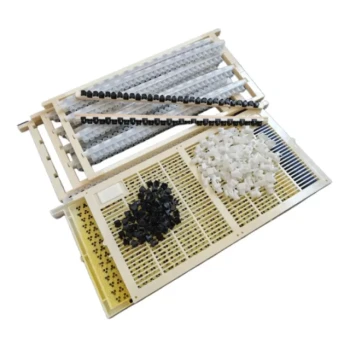
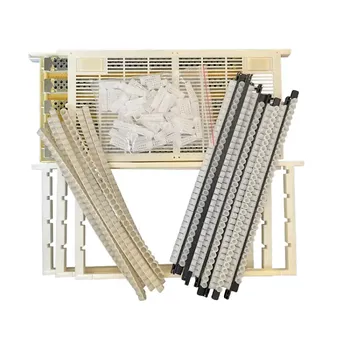
Cell bars or cell bar frames hold the cups in an organized arrangement, allowing the beekeeper to manage multiple developing queen cells efficiently.
Queen-rearing frames
Rearing frames support cell bars and allow queen cells to be placed into suitable starter or cell-raising colonies.
Standardized frames are especially valuable for commercial operations because they improve workflow consistency and make inspection, movement, and batch management easier.
Queen cell protectors and isolation cages
Queen cell protectors help prevent damage from worker bees or other queens during development.
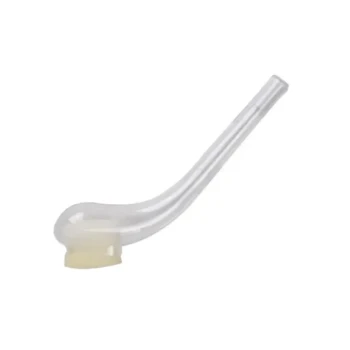
Queen isolation cages are used to separate newly emerged queens or manage queen cells during introduction and mating operations.
Mating nucs or mating hives
Mating nucs provide small, controlled colonies where virgin queens can emerge, mature, and undertake mating flights.
They allow an apiary to manage more queens with less colony space and resources than full-sized production colonies require.
Incubation and queen-handling equipment
Incubation systems can help maintain suitable conditions for developing queen cells, particularly when timing and batch production are important.
Queen marking pens support identification, recordkeeping, and age tracking after a queen has been accepted by a colony.
What the Equipment Cannot Replace
Superior breeder colonies
Equipment does not create desirable genetics by itself. The breeding program should begin with a strong “queen mother” from a colony that demonstrates traits such as productivity, health, gentle behavior, and low swarming tendency.
Performance should be evaluated over time rather than judged from a single season or isolated observation.
Suitable drones and mating conditions
High-quality queens require access to an adequate population of sexually mature, desirable drones.
Weather must also support mating flights. Poor weather or limited drone availability can undermine a well-equipped queen-rearing operation.
Strong starter and cell-raising colonies
Selected larvae need properly prepared colonies with sufficient nurse bees, food, and suitable brood-rearing conditions.
An apiary may have excellent grafting tools but still experience poor results if the supporting colonies are weak or poorly nourished.
Adequate nectar and pollen
Queen production depends on strong colony nutrition. An ample supply of nectar and high-quality pollen supports the colonies responsible for starting, feeding, and raising queen cells.
Nutrition should therefore be treated as part of the queen-rearing system, not as a separate concern.
Designing a Practical Queen-Rearing System
Match equipment to production volume
A small apiary may need only a basic grafting kit, cell cups, a rearing frame, a few mating nucs, and marking supplies.
Commercial breeders generally require larger quantities of standardized consumables, additional rearing frames, queen cell protectors, incubation support, and organized identification systems.
Standardize the workflow
A repeatable process should cover breeder selection, grafting, cell raising, mating, queen introduction, marking, and performance recording.
Standardized equipment reduces handling variation and makes it easier to train staff, forecast requirements, and fulfill seasonal orders.
Source compatible products together
Using compatible cups, bars, frames, cages, and mating equipment can simplify assembly and reduce delays caused by mismatched components.
For wholesalers, distributors, and B2B resellers, a one-stop product portfolio can be valuable because customers can source a complete queen-rearing setup from one supplier rather than coordinating multiple vendors.
Understanding the Trade-offs
Genetic selection takes time
Selective queen rearing produces long-term improvement, not guaranteed immediate results. Traits can vary, and mating conditions may influence the performance of offspring.
Beekeepers should maintain records and evaluate colonies across seasons before making major breeding decisions.
More equipment increases operational complexity
Queen rearing requires careful scheduling, inspection, sanitation, and handling. Additional equipment improves capacity but also increases inventory, training, and maintenance requirements.
The best equipment package is the one that matches the apiary’s actual breeding objectives and volume.
Controlled mating has practical limits
Mating nucs provide a useful management environment, but queens still depend on available drones and suitable weather for successful mating flights.
Where mating control is limited, careful breeder selection and local performance records become especially important.
Equipment quality affects success rates
Poorly designed or inconsistent tools can damage larvae, complicate handling, or create workflow delays.
For professional buyers, product durability, dimensional consistency, availability of replacement consumables, and supplier responsiveness matter as much as the initial purchase price.
Making the Right Choice for Your Goal
The most effective purchasing strategy combines breeding objectives with operational requirements.
- If your primary focus is improving honey production: Prioritize breeder colonies with proven productivity, then invest in reliable grafting tools, cell cups, rearing frames, and mating nucs to reproduce those traits consistently.
- If your primary focus is disease resilience: Select healthy colonies with strong disease resistance and use a standardized rearing system that supports accurate selection and replacement records.
- If your primary focus is gentler colony management: Breed from colonies with calm temperament and maintain queen marking and identification tools for reliable stock tracking.
- If your primary focus is commercial queen production: Build a complete equipment system with grafting supplies, cell bars, protectors, isolation cages, mating nucs, and incubation support.
- If your primary focus is distribution or wholesale supply: Offer a coordinated, full-spectrum product portfolio supported by fast response times, dependable fulfillment, and access to compatible replacement consumables.
With the right genetics, conditions, and equipment, selective queen rearing becomes a practical system for building stronger, more productive, and more manageable apiaries.
Summary Table:
| Benefit | Key Tools |
|---|---|
| Improved honey production | Grafting tools, cell cups, rearing frames |
| Disease/pest resilience | Cell protectors, marking pens |
| Gentler colonies | Mating nucs, queen cages |
| Controlled colony renewal | Queen cell cups, cell bars |
| Reduced swarming | Rearing frames, incubators |
Ready to elevate your apiary with premium queen-rearing equipment? HONESTBEE offers a full-spectrum portfolio of beekeeping tools and machinery for commercial apiaries and distributors. Enjoy fast response, dedicated service, and ultra-fast delivery. Contact us today to discover how we can support your breeding goals!
Related Products
- Retractable Chinese Queen Rearing Grafting Tools Equipment
- Plastic Chinese Queen Grafting Tool for Bee Queen Rearing
- Stainless Steel Beekeeping Queen Grafting Tool for Honey Bee Rearing
- Stainless Steel Queen Grafting Tool for Beekeeping and Bee Queen Grafting
- Plastic Beekeeping Honey Bee Larvae Grafting Tools for Queen Rearing and Chinese Grafting
People Also Ask
- Which specialized tools are necessary for implementing standardized queen rearing? Scale Your High-Yield Apiary
- Why are specialized queen rearing tools necessary to mitigate winter hive losses? Boost Apiary Survival and Recovery
- What operational workflows and queen rearing tools are required for implementing instrumental insemination and isolated mating in commercial queen breeding programs?
- How do queen-rearing tools facilitate the sustainability and expansion of a commercial apiary? Drive Scalable Growth
- In what ways do modern queen rearing equipment and grafting tools improve competitiveness? Boost Breeding Success Rate