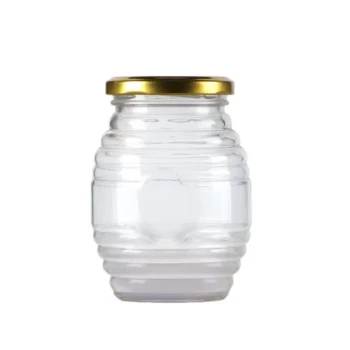
Specialized sample containers are essential for maintaining the chemical and physical fidelity of stingless bee honey. By using sealed and chemically stable materials, these containers create an isolation barrier that prevents the honey from absorbing atmospheric moisture or succumbing to secondary microbial contamination, ensuring laboratory results reflect the sample's true state.
The Core Insight: Honey is highly hygroscopic, meaning it naturally absorbs water from the air. Without a specialized, airtight seal, the moisture content of a sample will change during transport, rendering laboratory analysis of the honey's quality and stability inaccurate.
The Science of Sample Preservation
Counteracting Hygroscopic Properties
The primary threat to honey integrity is its hygroscopic nature. Stingless bee honey readily exchanges moisture with the surrounding environment.
Specialized containers utilize airtight seals to lock the sample's internal environment. This prevents ambient humidity from altering the honey's water content between the collection site and the laboratory.
Ensuring Chemical Stability
The material of the container matters as much as the seal. Specialized containers are chemically stable, meaning they do not react with the acidic nature of the honey.
This stability ensures that no foreign substances leach into the sample, and the honey’s chemical profile remains unchanged.
Layers of Defense During Transport
preventing Secondary Contamination
Beyond moisture, samples are vulnerable to biological threats. Specialized containers effectively block secondary microbial contamination.
By isolating the sample, these containers prevent external bacteria or yeast from entering, which could otherwise trigger fermentation or spoilage before analysis occurs.
The Role of Secondary Sealing
To reinforce the primary container, food-grade secondary sealing bags are often employed.
These bags serve as a fail-safe, containing any potential leakage caused by physical damage during transportation. They also act as an additional moisture barrier, further guaranteeing that the sample's hydration levels remain stable.
Understanding the Risks and Trade-offs
The Consequence of Improper sealing
If a container is not specialized or sealed correctly, the moisture content data will be invalid. Even a small air gap can allow the honey to absorb water, leading to false readings regarding the honey's maturity and shelf-life potential.
Material Incompatibility
Using non-specialized, chemically reactive containers can compromise the sample. This can introduce artifacts into the chemical analysis, obscuring the honey's natural quality markers.
Making the Right Choice for Your Goal
When preparing stingless bee honey for analysis, select your containment strategy based on your specific analytical needs:
- If your primary focus is moisture content accuracy: Prioritize containers with verified airtight seals and utilize secondary sealing bags to block all humidity exchange.
- If your primary focus is chemical purity: Ensure the primary container is made of chemically inert materials to prevent leaching or reactions with the honey.
True data integrity begins the moment the sample is sealed, not when it reaches the lab.
Summary Table:
| Feature | Protection Mechanism | Impact on Honey Integrity |
|---|---|---|
| Airtight Seals | Blocks ambient humidity | Prevents moisture absorption and data invalidity |
| Inert Materials | Chemical stability | Prevents leaching and maintains chemical profile |
| Secondary Sealing | Food-grade fail-safe | Contains leaks and adds extra moisture barrier |
| Microbial Isolation | Physical barrier | Blocks bacteria/yeast to prevent early fermentation |
Elevate Your Honey Quality Standards with HONESTBEE
Precision in the lab starts with precision in the field. As a dedicated partner to commercial apiaries and distributors, HONESTBEE provides the professional-grade tools you need to maintain product excellence. From advanced honey-filling machines to a full spectrum of beekeeping machinery and specialized hardware, our wholesale solutions are designed to optimize your operations.
Whether you are scaling up production or sourcing essential industry consumables, our expertise ensures your honey—from stingless bees to honeybees—meets the highest market standards.
Ready to upgrade your apiary equipment? Contact us today to explore our comprehensive portfolio and discover how we can grow your business together.
References
- Andi Gita Maulidyah Indraswari Suhri, Irnayanti Bahar. Water Content of Stingless Bee Honey Varies by Season. DOI: 10.29303/jbt.v23i2.4651
This article is also based on technical information from HonestBee Knowledge Base .
Related Products
- Stainless Steel Honey Storage Tank with Lid for Honey
- Classic Glass Honey Jar with Metal Lug Cap for Beehive Storage
- Premium Stainless Steel Honey Tank Bucket Pail with Reinforced Handle and Polished Finish
- Langstroth Honey Bee Box Hive Boxes for Different Depths
- Food Grade Plastic Honey Bucket Pail for Beekeeping
People Also Ask
- What economic role do honey storage tanks play? Boost Your Revenue Through Strategic Inventory Management
- What roles do industrial honey storage tanks and filtration meshes play in processing? Ensure Purity & Consistency
- What is the purpose of a honey storage tank? Streamline Your Honey Processing for Quality & Efficiency
- What are honey storage tanks used for? Essential Features for Quality Preservation and Profit
- How do large honey storage tanks and gravity fall filling systems improve honey packaging efficiency and safety?