Standardized beekeeping tools and mechanical equipment facilitate tropical bee management by dramatically lowering the technical barrier to entry. By integrating industrial-grade protective gear, colony-splitting machinery, and standardized frames, operators can manage local species—such as stingless or solitary bees—safely and efficiently. This shifts the focus from relying on deep, intuitive experience to following scalable, mechanical processes.
The transformation lies in replacing "artisan intuition" with "industrial precision." These technologies turn beekeeping into a scalable agricultural process by protecting the operator, simplifying complex breeding tasks, and creating a uniform environment that allows for rapid replication of management practices.
Reducing the Skill and Safety Barrier
The primary obstacle to adopting tropical bee management has historically been the reliance on extensive manual experience and the physical risks involved. Standardization addresses this by "de-skilling" critical operations.
Democratizing Technical Operations
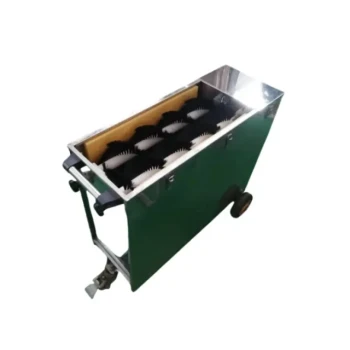
Standardized tools, particularly colony-splitting machinery and bee suction devices, mechanize delicate tasks that previously required a master beekeeper's touch.
Instead of manually handling brood combs, machinery can assist in dividing colonies for breeding. This reduces the risk of damaging the hive structure or killing the queen, allowing less experienced growers to expand their apiaries successfully.
Ensuring Operator Confidence
Industrial-grade protective clothing acts as a prerequisite for modern management.
Tropical bees can be defensive; without adequate protection, operators cannot perform frequent, necessary inspections. A reliable safety barrier allows technicians to focus on precise, scientific colony management—such as pest control and internal reviews—rather than worrying about personal safety.
Lowering the Learning Curve
Standardized beehives create a consistent hardware foundation.
When every hive has identical dimensions, management practices can be taught and replicated rapidly. New beekeepers do not need to adapt their techniques to irregular, handmade shelters; they simply follow a standard protocol, significantly speeding up the training process.
Operational Consistency and Scalability
Adopting these tools moves beekeeping from a subsistence activity to a predictable industrial operation.
Precision Through Manufacturing
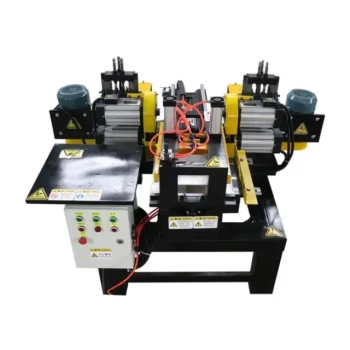
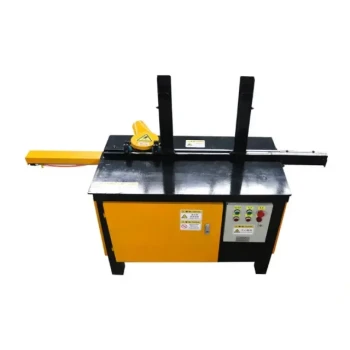
Specialized woodworking machinery ensures that hives meet strict structural specifications.
This precision is critical for regulating internal ecological conditions like temperature and humidity. In tropical climates, where heat and moisture fluctuate, a precisely manufactured hive helps the colony maintain a stable environment, directly impacting survival and productivity.
Transforming Nature into Data
Standardized equipment turns a dispersed apiary into a source of quantifiable data.
When hives are uniform, beekeepers can accurately compare honey production and colony size across different locations. This data is essential for ecological modeling, allowing growers to predict yields and optimize spatial distribution for stability.
Streamlining Logistics
The use of standardized bee packages and ventilated transport vehicles facilitates the movement of bees.
This equipment ensures low mortality rates during long-distance transit. It allows for the "mobile" aspect of pollination services, enabling the rapid restoration of capacity in different regions without the high losses associated with traditional transport methods.
Understanding the Trade-offs
While standardization is powerful, it is not a silver bullet. You must weigh the efficiency of industrial tools against biological realities.
Standardization vs. Biodiversity
"Standardized" often implies a design optimized for Apis mellifera (the European honeybee).
Tropical species, such as Meliponini (stingless bees), have vastly different nesting requirements. Forcing local species into hives designed for a different genus can lead to poor colony health. You must ensure the "standard" tool you adopt is actually calibrated for the specific local species you intend to manage.
Capital vs. Labor
Mechanization increases financial risk while reducing labor intensity.
Investing in suction devices, extraction machinery, and specialized vehicles requires significant upfront capital. For small-scale operations, this cost may outweigh the efficiency gains unless the operation is scaling rapidly to serve a large agricultural market.
Making the Right Choice for Your Goal
To effectively adopt these technologies, align your equipment choices with your specific operational focus.
- If your primary focus is Scalable Pollination Services: Prioritize colony-splitting machinery and ventilated transport vehicles to maximize colony multiplication and mobility with low mortality.
- If your primary focus is Honey Production: Invest in mechanized extraction tools and hygiene-focused machinery to reduce labor intensity and meet food safety standards.
- If your primary focus is Local Species Conservation: Focus on specialized woodworking machinery to manufacture precise hives that mimic the natural nesting conditions of specific native bees, rather than generic standard boxes.
Standardization is not just about buying tools; it is about creating a predictable system that allows you to manage biology with engineering precision.
Summary Table:
| Category | Key Equipment | Primary Benefit to Tropical Management |
|---|---|---|
| Technical Skills | Colony-splitting machinery | De-skills breeding; reduces colony damage |
| Operator Safety | Industrial-grade protective gear | Enables frequent, scientific hive inspections |
| Scalability | Standardized beehives | Allows for rapid replication & consistent training |
| Environment | Precision woodworking tools | Maintains optimal internal hive temperature/humidity |
| Logistics | Ventilated transport vehicles | Ensures low mortality during long-distance transit |
Scale Your Commercial Apiary with HONESTBEE
Transitioning from traditional beekeeping to a high-yield industrial operation requires more than just intuition—it requires the right hardware. HONESTBEE specializes in empowering commercial apiaries and distributors with a complete spectrum of professional solutions.
Whether you need precision hive-making machinery, automated honey-filling systems, or heavy-duty beekeeping tools and consumables, we provide the industrial-grade equipment necessary to transform your workflow. Our portfolio is designed to help you achieve predictable results, ensure operator safety, and maximize productivity across diverse tropical species.
Ready to modernize your operations? Contact us today to explore our wholesale offerings and discover how our expertise can drive your business growth.
References
- Tereza Cristina Giannini, Vera Lúcia Imperatriz-Fonseca. Unveiling the contribution of bee pollinators to Brazilian crops with implications for bee management. DOI: 10.1007/s13592-019-00727-3
This article is also based on technical information from HonestBee Knowledge Base .
Related Products
- HONESTBEE 15-in-1 Beekeeper Multi-Tool with Hammer and Pliers for Beekeeping
- Stainless Steel J Hook Hive Tool for Beekeeping
- HONESTBEE Classic Pry Bar Hive Tool with High Visibility Finish for Beekeeping
- HONESTBEE Professional Mini J-Hook Hive Tool for Beekeeping
- Multi-Function Plier-Style Frame Grip Hive Tool
People Also Ask
- What is the recommended method for storing beekeeping tools? Expert Vertical Storage Solutions for Your Apiary
- How does a favorable microclimate interact with beekeeping tools? Boost Overwintering Success and Equipment Longevity
- Why is the treatment of beekeeping tools with high-concentration chemical disinfectants necessary for preventing AFB?
- How do specialized beekeeping tools and high-specification protective equipment assist in colony health management?
- How does the stable local supply of beekeeping tools affect technology adoption? Building Sustainable Apiaries