Standardized evaluation scales and transparent sample cups provide the objective framework necessary to transform subjective sensory experiences into quantifiable data. By rigorously controlling the assessment environment and using a specific five-point metric, researchers can accurately identify high-quality raw materials and eliminate variables that distort the true profile of the honey.
Core Insight: Quality assurance in honey relies on a five-point evaluation scale and transparent vessels to ensure sample uniformity. This standardization is the only way to reliably correlate physical properties—like color and consistency—with the honey’s underlying biological activities.
The Standardized Scoring Framework
To move beyond vague descriptions, quality assurance relies on a structured numerical system. This ensures that every sample is judged against the same criteria.
The Five-Point System
Evaluators utilize a specific five-point scale to assess the honey. This scale breaks down the sensory experience into four distinct parameters: aroma, taste, color, and consistency.
Defining High-Quality Raw Materials
The cumulative score across these parameters serves as a definitive quality indicator. Generally, honey samples achieving a total score between 16 and 20 points are classified as high-quality raw materials.
Establishing Biological Correlations
This scoring system does more than grade flavor; it provides essential data for research. By quantifying sensory traits, scientists can study the correlation between a honey's physical properties and its specific biological activities.
The Critical Role of Sample Vessels
The hardware used during evaluation is just as important as the scoring scale. The choice of the sample cup directly impacts the accuracy of the visual and olfactory assessment.
Visual Clarity and Consistency
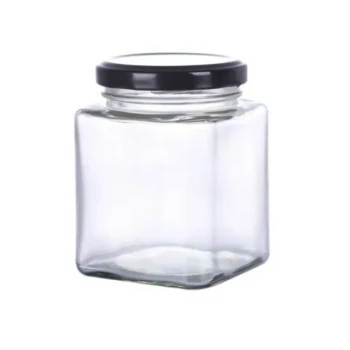
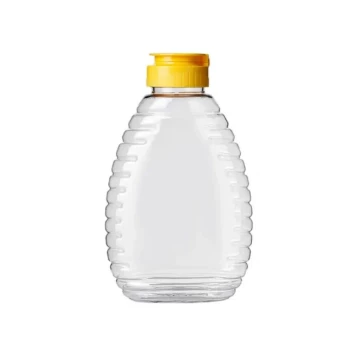
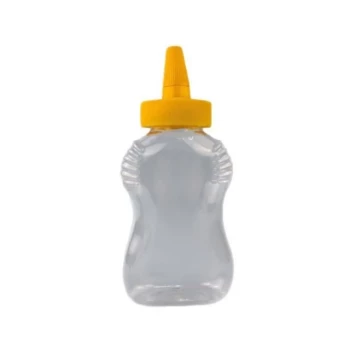
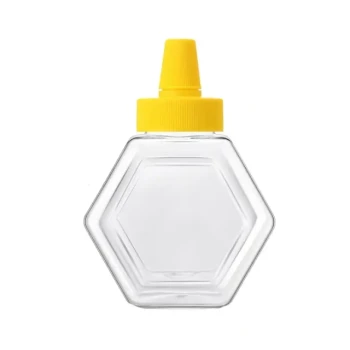
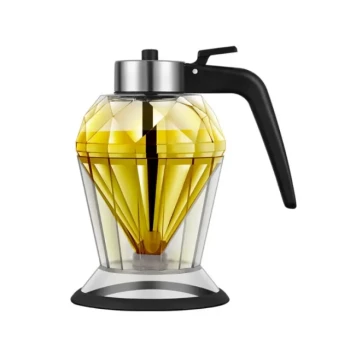
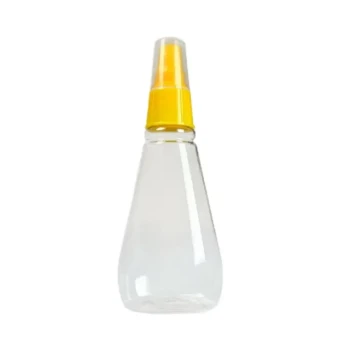
Transparent sample cups are non-negotiable for accurate evaluation. They allow evaluators to inspect the honey for transparency, brightness, and the presence of visible foreign matter without obstruction.
Assessing Homogenization
Using clear vessels allows researchers to verify that the sample has been properly homogenized. This ensures the honey is free from internal stratification or bubble interference, providing a standardized base for judging consistency.
Preserving Olfactory Purity
To ensure the aroma score is accurate, the sampling vessels must be completely odorless. This prevents external smells from masking the honey's natural floral or fruity notes, allowing for a clear distinction between processed honey and comb honey.
Common Pitfalls to Avoid
While standardization improves accuracy, failing to strictly adhere to protocols can introduce significant errors.
Neglecting Environmental Controls
Honey flavor profiles are highly sensitive to their surroundings. Even with the right cups, uncontrolled lighting or temperature in the laboratory can warp the sensory perception of color and taste.
Inconsistent Sample Preparation
If samples are not properly homogenized before being placed in the cups, physical consistency will vary. This leads to inaccurate data regarding stratification and creates false distinctions between samples that are actually chemically similar.
Making the Right Choice for Your Goal
When implementing a sensory evaluation program, align your protocols with your specific objectives.
- If your primary focus is Identifying Premium Raw Materials: Prioritize samples that score in the 16-20 point range on the standardized five-point scale.
- If your primary focus is Biological Research: Ensure your samples are assessed in transparent cups to accurately correlate visual physical properties with biological activity.
- If your primary focus is Flavor Profiling: Use strictly odorless vessels to prevent container smells from masking subtle floral or fruity notes.
True quality assurance is not just about tasting the product; it is about creating a controlled environment where every variable is measured and accounted for.
Summary Table:
| Evaluation Component | Metric/Standard | Quality Objective |
|---|---|---|
| Scoring Scale | 5-Point System (Aroma, Taste, Color, Consistency) | Identify high-quality raw materials (16-20 points) |
| Vessel Type | Transparent, Odorless Sample Cups | Ensure visual clarity and olfactory purity |
| Physical Properties | Homogenization & Transparency | Correlate sensory data with biological activities |
| Key Hazards | Environmental variables & Stratification | Eliminate subjective bias and external contamination |
Elevate Your Honey Quality Standards with HONESTBEE
Precise sensory evaluation is the foundation of a successful commercial honey operation. At HONESTBEE, we understand the technical demands of commercial apiaries and distributors. We provide the professional-grade tools you need to maintain excellence, from high-precision honey-filling and hive-making machinery to a comprehensive range of beekeeping equipment and consumables.
Whether you are scaling your production or refining your wholesale offerings, our expertise in specialized hardware and honey-themed merchandise ensures your brand stands out in the marketplace. Contact us today to discover how our wholesale solutions can optimize your facility's efficiency and product quality.
References
- Alla Sergeevna Lizunova, Gennady Samarin. Analysis of the bactericidal activity of honey. DOI: 10.1051/e3sconf/202453902041
This article is also based on technical information from HonestBee Knowledge Base .
Related Products
- Classic Honey Bear Jars with Flip Top Dispensing Cap for Liquid Sweeteners
- Modern Square Glass Honey Jar with Twist Off Lid
- Squeezable No-Drip Beehive-Shaped Honey Jars with Flip-Top Cap
- Ergonomic Squeezable Honey Bottle with Precision Twist Nozzle Cap
- Inverted Squeezable Honey Jar with No Drip Flip Top Cap for Easy Pouring
People Also Ask
- What food safety standards must honey containers meet? Expert Guide to Packaging Integrity & Hygiene
- Why is it important to distinguish between weight and volume when selecting honey containers? Maximize Profits Now
- What are the benefits of purchasing honey containers in bulk? Maximize Margins & Secure Your Supply Chain
- What should be considered when choosing a container for honey to ensure effective sealing? Master Honey Packaging Success
- What is the best container to store honey in? Preserve Purity & Flavor for Years