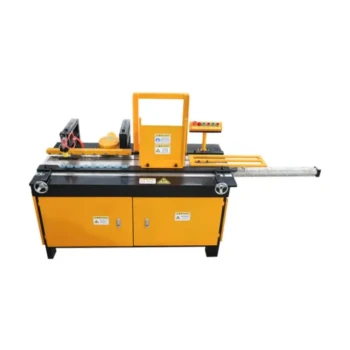
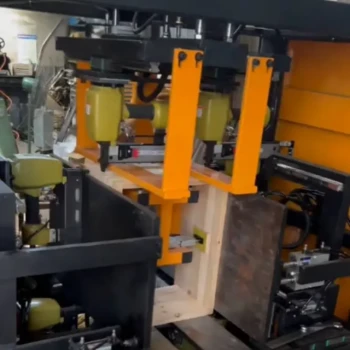
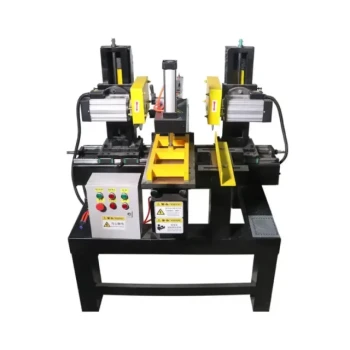
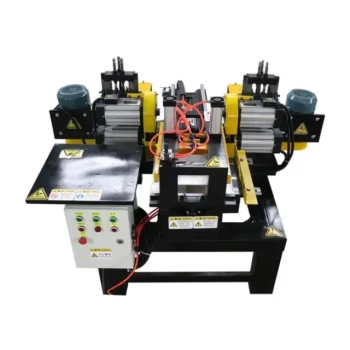
Standardized hive-making machines are the cornerstone of rigorous apicultural research. By manufacturing hives and frames with precise, identical dimensions, these machines eliminate physical variability between test colonies. This hardware consistency ensures that observed differences in colony performance are attributable to genetic traits or experimental treatments, rather than discrepancies in insulation, ventilation, or internal spatial structure.
The Core Insight: In breeding experiments, the physical hive is a variable that must be controlled. Machine-manufactured equipment removes "environmental noise"—such as inconsistent thermal properties or spatial constraints—allowing researchers to isolate and accurately measure specific biological responses, such as mite resistance and honey production.
Establishing a Uniform Physical Baseline
Eliminating Environmental Variables
The primary function of a standardized hive-making machine is to produce identical units. In a breeding experiment, even minor deviations in wood thickness or joint tightness can alter a hive's insulation and ventilation.
By using machine-standardized hardware, researchers ensure every colony experiences the same micro-climate. This eliminates the risk that one colony survives better simply because its hive was built tighter or warmer than another.
Controlling Internal Space Structure
Honey bee behavior is heavily influenced by the volume and geometry of their living space. Differences in available space can trigger stress or alter comb-building behavior.
Standardized machines ensure that internal dimensions are exact across all units. This prevents behavioral errors caused by overcrowding or excessive void space, providing a neutral backdrop for the experiment.
Enhancing Accuracy in Trait Assessment
Isolating Genetic Resistance
To breed bees that are naturally resistant to pests, specifically Varroa mites, researchers must observe natural mite-clearing behaviors.
If hives vary in physical structure, it becomes difficult to determine if a colony's low mite count is due to genetic hygiene behavior or simply better ventilation. Standardized hives remove this ambiguity, allowing for a clear assessment of the colony's natural resistance capabilities.
Validating Economic Traits
For experiments focusing on productivity, such as honey yield or gentleness, the queen must be able to perform at full capacity.
Standardized full-size hives provide the consistent volume necessary to evaluate a queen's total egg-laying potential. This allows for accurate calculations of genetic correlations between traits without the interference of spatial limitations.
Operational Consistency and Data Integrity
Unifying Starting Parameters
Before an experiment begins, colonies must be "standardized" regarding population, queen age, and food stores.
Identical single brood chamber hives provide a uniform physical baseline for this process. This is particularly critical in pesticide exposure or stress studies, where the equipment itself must not introduce variables that could skew productivity or profitability data.
Enabling Non-Destructive Monitoring
Standardized designs, such as the Langstroth system, utilize modular, movable frames.
This manufacturing precision allows researchers to extract frames for sampling and return them without disrupting the colony structure or killing the queen. This ensures that data regarding honey yield and environmental samples remain comparable over long periods.
Understanding the Trade-offs
The Limits of Manufacturing Precision
While machines ensure the dimensions are identical, they cannot control the material properties perfectly. Variations in wood density or knot placement can still create minor thermal discrepancies between identical-looking hives.
Equipment Degradation
Standardization is temporal. A hive manufactured today will have different properties than one manufactured five years ago due to weathering and propolis accumulation. Researchers must ensure that all equipment in a single trial is of a similar age and condition to maintain validity.
Making the Right Choice for Your Goal
To maximize the value of standardized equipment, align your hardware strategy with your specific experimental focus:
- If your primary focus is Varroa Resistance: Prioritize standardization of ventilation and insulation properties to isolate hygienic behavior from environmental advantages.
- If your primary focus is Honey Production: Ensure hives offer identical, ample internal volume to allow queens to express their full laying capacity without spatial bottlenecks.
- If your primary focus is Toxicology/Pesticides: Use identical single brood chambers to create a precise baseline for bee population and food stores before exposure.
True experimental consistency begins not in the apiary, but on the manufacturing floor.
Summary Table:
| Feature | Impact on Research Consistency | Research Benefit |
|---|---|---|
| Precise Dimensions | Eliminates physical variability between colonies | Isolates genetic traits from environment |
| Identical Insulation | Ensures uniform micro-climate and thermal properties | Validates pest resistance behaviors |
| Uniform Internal Volume | Standardizes spatial constraints and bee density | Accurately assesses honey production |
| Modular Design | Enables non-destructive frame sampling | Maintains long-term data comparability |
Elevate Your Apiary Operations with HONESTBEE Precision
High-quality research and commercial success start with consistent equipment. HONESTBEE empowers commercial apiaries and global distributors by providing a comprehensive suite of high-performance beekeeping tools and machinery. Whether you need specialized hive-making machines to ensure experimental precision, honey-filling machines for efficient production, or essential consumables and honey-themed merchandise, we deliver the hardware you need to succeed.
Partner with HONESTBEE to streamline your production and ensure the highest standards of hardware consistency. Contact us today to explore our wholesale solutions!
References
- Stephen Smith, Grace P. McCormack. Exploring a Potential Avenue for Beekeeping in Ireland: Safeguarding Locally Adapted Honeybees for Breeding Varroa-Resistant Lines. DOI: 10.3390/insects14100827
This article is also based on technical information from HonestBee Knowledge Base .
Related Products
- High-Efficiency Pneumatic Bee Hive Making Machine for Rapid Box Assembly
- Beehive Handle and Frame Rest Cutting Machine: Your Specialized Hive Machine
- Mini Desktop Bee Hive Frame Forming Making Machine
- Automatic High-Speed Bee Hive Box Stapling Machine
- Beehive Machine Double End Saw for Precision Hive Component Manufacturing
People Also Ask
- How does the introduction of professional beehive-making machinery benefit sustainable beekeeping? Scale Your Apiary
- Why is specialized beehive-making machinery critical for low-defense breeding? Enhance Selection with Precision Tools
- How does the introduction of specialized beehive making machinery contribute to increasing the scale of regional beekeeping industries?
- What is the importance of specialized beehive making machinery in a circular bio-economy? Build Local Sustainability
- Why is specialized beehive-making machinery essential? Scale Your Apiary with Precision Industrial Standards