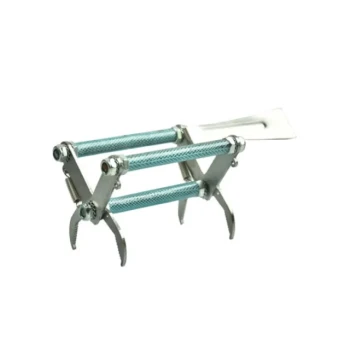
Standardized measurement frames with grid structures function as precise quantification tools that convert irregular biological patterns into rigorous numerical data. By overlaying the honeycomb surface with fixed units, such as square inches, these frames allow researchers to measure the exact area of brood and pollen stores rather than relying on subjective visual estimation.
Core Insight: The primary value of grid-structured frames is the elimination of observer bias, transforming complex biological dynamics into standardized spatial metrics. This objectivity is essential for accurately calculating queen fecundity and worker foraging efficiency, particularly when isolating the effects of drug treatments or genetic traits.
The Mechanism of Quantifiable Data
Converting Irregular Areas to Metrics
Natural honeycomb structures are often irregular. A graduated grid frame divides this chaotic space into standard units, usually square inches or square centimeters.
This allows researchers to apply specific conversion factors to the measured area. For example, a common metric estimates approximately 26 brood cells per square inch, enabling the calculation of total capped brood numbers based purely on area measurements.
Eliminating Estimation Error
Without a grid, assessing colony strength relies on visual estimation, which is prone to human error.
Grid structures provide an objective quantitative basis for data collection. By systematically counting squares, researchers ensure that the data reflects actual colony conditions rather than the subjective perception of the observer.
Key Biological Metrics Assessed
Assessing Queen Performance
The primary application of these frames is tracking queen egg-laying efficiency.
By mapping the area of brood cells over time, researchers can calculate the rate of oviposition. This provides a direct window into the reproductive vitality of the queen and the overall growth potential of the colony.
Measuring Worker Efficiency
Grid frames are equally critical for quantifying pollen storage areas.
Since pollen is a primary resource gathered by workers, the area of pollen storage serves as a proxy for foraging capacity. This metric helps determine the operational efficiency of the worker force.
Monitoring Colony Health and Stress
Advanced detection frames allow for the cumulative scoring of larval areas.
This data is vital for calculating the bees-to-brood ratio. Identifying shifts in this ratio helps technical personnel detect abnormal compensatory brood-rearing behaviors, which often signal disease pressure or a reaction to specific treatment protocols.
The Role of Standardization in Research
Isolating Biological Variables
Standardized frames ensure that the physical environment remains constant across all test subjects.
By using fixed dimensions (such as standard Langstroth deep frames), researchers can confirm that differences in survival or productivity are due to biological fitness or genetics, rather than variations in available space or equipment capacity.
Evaluating Treatment Impacts
In drug treatment studies, precision is paramount.
Grid frames provide the spatial quantification metrics necessary to analyze how different pharmaceutical interventions affect colony vitality. This allows for a direct comparison of treatment groups against control groups with a high degree of statistical confidence.
Understanding the Trade-offs
Precision vs. Speed
While grid measurement offers superior accuracy, it is more labor-intensive than simple visual estimation of "frame coverage."
Visual estimation (e.g., counting whole frames covered by bees) allows for rapid assessment of general strength. However, it lacks the granularity required for detailed scientific studies on brood rearing or specific disease impacts.
Scope of Data
Grid frames excel at measuring area and population dynamics, but they do not measure mass.
For a complete picture of economic efficiency, grid data must be paired with high-precision weighing to assess honey yield. Relying solely on grid frames will quantify the colony's biological engine but not necessarily its final production output.
Making the Right Choice for Your Goal
To maximize the utility of standardized measurement frames, align your data collection method with your specific objective:
- If your primary focus is scientific research or drug trials: Use grid frames to calculate precise brood-to-pollen ratios and isolate the specific biological impacts of your treatment variables.
- If your primary focus is commercial production tracking: Combine standardized frame counts with weight measurements to evaluate the economic efficiency and honey yield of different bee stocks.
By treating the hive frame as a data collection surface rather than just a habitat, you convert biological complexity into actionable intelligence.
Summary Table:
| Metric Type | Measurement Detail | Research Value |
|---|---|---|
| Queen Performance | Brood area in sq. inches/cm | Calculates oviposition rate & reproductive vitality |
| Worker Efficiency | Pollen storage area | Serves as a proxy for foraging capacity & resource flow |
| Colony Health | Bees-to-brood ratio | Detects disease pressure & stress responses to treatments |
| Treatment Impact | Spatial quantification | Provides statistical confidence for drug or genetic trials |
Optimize Your Apiary Research with HONESTBEE
At HONESTBEE, we specialize in empowering commercial apiaries and distributors with the precision tools necessary for modern beekeeping. Whether you are conducting scientific drug trials or scaling commercial production, our comprehensive wholesale portfolio offers everything from standardized hive-making hardware to specialized honey-filling machinery and essential industry consumables.
Our Value to You:
- Precision Equipment: High-quality frames and tools designed for rigorous data collection.
- Scalable Solutions: Machinery and hardware tailored for large-scale commercial operations.
- Diverse Portfolio: A one-stop shop for tools, equipment, and honey-themed cultural merchandise.
Ready to elevate your colony assessments and operational efficiency? Contact us today to explore our wholesale offerings!
References
- Alshaimaa Alshafy, Wesam S. Meshrif. Effect of some antimicrobial drugs on the fitness of honeybee Apis mellifera L. (Hymenoptera: Apidae). DOI: 10.21608/cat.2022.100375.1109
This article is also based on technical information from HonestBee Knowledge Base .
Related Products
- HONESTBEE AC Powered Wire Embedder with Alligator Clips
- Heavy-Duty Ergonomic Grip Galvanized Pollen Shovel
- Honey Bee Lifecycle Model: A Detailed Honeycomb Display of Bee Development
- Solar Beeswax Melter Easy Solar Wax Melter for Beeswax
- Professional Large-Format Hive Number Set for Beekeeping
People Also Ask
- How can combs be further strengthened? Embed Wires for Durable, High-Yield Hives
- What is an embedder in beekeeping? Essential Tool for Strengthening Wax Foundation & Hive Frames
- Why must strict sanitary and health prevention protocols be implemented for honeybee transport? Maximize Colony Survival
- What are the primary indicators of healthy honeybee colonies? Optimize Your Commercial Apiary for Peak Productivity
- Why must honeybee samples be stored in high-concentration ethanol and low temperatures? Ensure Genetic & Physical Integrity