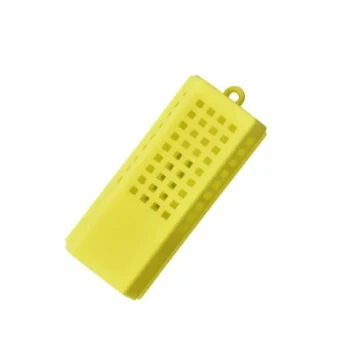
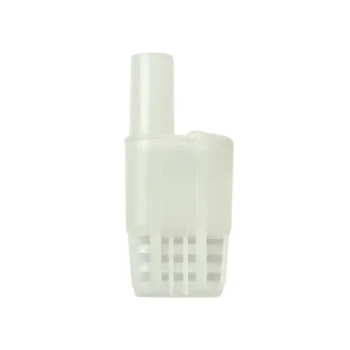
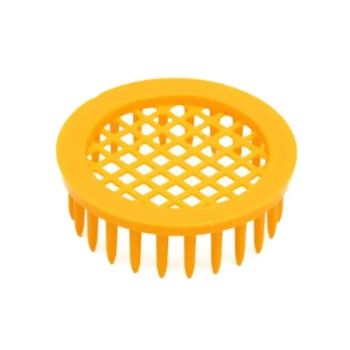
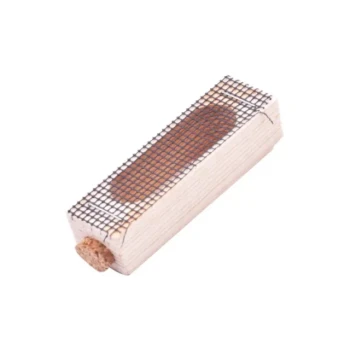
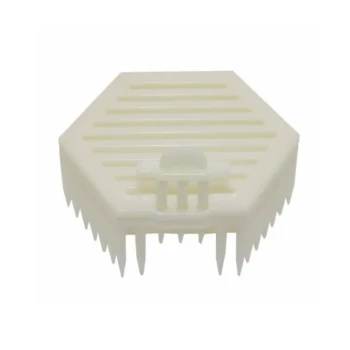
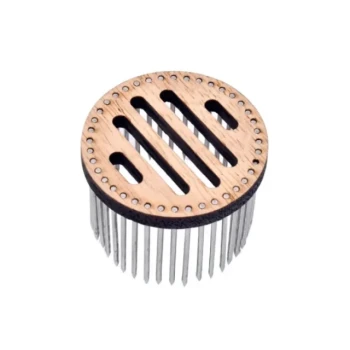
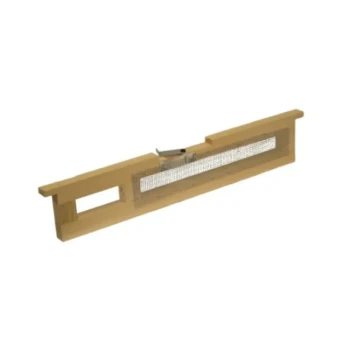
Queen Monitoring Cages address critical research challenges by combining ventilated structures with specialized feeding ports that strictly control nutrient intake. By utilizing queen excluder materials and microcentrifuge tube mounts, these cages ensure that queens are fed exclusively through trophallaxis by worker bees, rather than consuming pollen directly.
These cages solve the problem of nutrient isolation by enforcing indirect nutrition. They allow researchers to observe exactly how pollen consumed by workers is metabolically converted into royal jelly to influence queen egg-laying.
Precise Nutritional Control Mechanisms
To study honeybee nutrition effectively, researchers must distinguish between what the colony eats and what the queen consumes. Queen Monitoring Cages achieve this through specific design constraints.
Restricting Direct Consumption
The defining feature of these cages is the integration of queen excluder materials.
This physical barrier addresses the technical challenge of cross-contamination in feeding data. It prevents the queen from accessing raw pollen sources directly, ensuring her diet is strictly controlled.
Leveraging Trophallaxis
The cages feature specialized feeding ports designed for microcentrifuge tubes.
These tubes contain the nutrient solution or pollen substitute but are positioned so only smaller worker bees can access them. This forces the queen to rely entirely on trophallaxis—the transfer of food from mouth to mouth—receiving nutrition only after it has been processed by the workers.
Optimizing Experimental Conditions
Beyond feeding controls, the physical structure of the cage is designed to maintain the viability of the test subjects during the observation period.
Ensuring Air Circulation
The ventilated structure of the cage addresses the challenge of environmental stress.
Proper airflow prevents the buildup of humidity and heat, which is critical for maintaining the health of both the queen and the attending workers within the confined space.
Simulating the Natural Food Chain
The combination of ventilation and indirect feeding successfully replicates the natural food chain of a hive in a laboratory setting.
This design allows for high-precision investigations. Researchers can trace the path of nutrients from the microcentrifuge tube (pollen source) to the worker bee (metabolic conversion) and finally to the queen (royal jelly intake), correlating this directly with egg-laying performance.
Understanding the Trade-offs
While this design offers high precision, it introduces specific dependencies that researchers must manage to ensure valid data.
Dependency on Worker Health
Because the queen is physically prevented from self-feeding, the experiment creates a single point of failure: the worker bees.
If the workers are unhealthy or fail to engage in trophallaxis, the queen will starve regardless of food availability. The design assumes healthy worker behaviors are active.
Complexity of Variable Isolation
This setup is not a direct feeding study; it is a metabolic conversion study.
Researchers must account for the fact that the nutrition the queen receives is not the raw input, but a processed derivative (royal jelly). Any variation in worker metabolism becomes a variable in the queen's performance.
Making the Right Choice for Your Goal
When designing your nutritional study, consider how the mechanics of these cages align with your specific objectives.
- If your primary focus is nutritional content analysis: Use these cages to determine which specific pollen nutrients are essential for the production of high-quality royal jelly.
- If your primary focus is reproductive output: Utilize the isolation mechanism to correlate specific worker diets directly with variations in queen egg-laying rates.
By mechanically enforcing the natural hierarchy of the hive, Queen Monitoring Cages transform a complex biological interaction into a measurable, controlled variable.
Summary Table:
| Feature | Technical Mechanism | Research Benefit |
|---|---|---|
| Queen Excluder Material | Physically restricts queen access to raw pollen | Ensures 100% indirect nutritional intake via workers |
| Microcentrifuge Ports | Specific sizing for worker-only access | Enables precise tracking of nutrient conversion paths |
| Ventilated Structure | Multi-point airflow design | Minimizes heat/humidity stress during observation |
| Isolation Barrier | Mechanically separates feeding roles | Isolates metabolic variables in egg-laying studies |
Elevate Your Apiary Research and Productivity with HONESTBEE
At HONESTBEE, we understand that precision is the backbone of a successful beekeeping operation, whether you are conducting advanced nutritional research or managing a commercial apiary. As a premier global supplier, we provide a comprehensive range of professional-grade beekeeping tools, machinery, and essential consumables designed to meet the rigorous demands of distributors and large-scale beekeepers.
From queen monitoring cages and specialized hardware to hive-making and honey-filling machines, our portfolio is engineered for durability and efficiency. We also offer a diverse array of honey-themed cultural merchandise to help you expand your brand's reach. Let us support your growth with our wholesale expertise and industry-leading equipment.
Ready to scale your operation or stock the best tools in the industry?
Contact HONESTBEE Today for Wholesale Solutions
References
- Ashley L. St. Clair, Adam G. Dolezal. Access to prairie pollen affects honey bee queen fecundity in the field and lab. DOI: 10.3389/fsufs.2022.908667
This article is also based on technical information from HonestBee Knowledge Base .
Related Products
- Plastic Queen Marking Tube Cage with Plunger for Beekeeping
- Professional Queen Cage with Sliding Gate and Feeder Plug
- Durable Galvanized Steel Spring Queen Bee Cage
- Plastic Long Marker Device for Catching and Marking Bees Queen Bee Marking Tube and Cage
- Professional Queen Bee Introduction and Transport Cage
People Also Ask
- What is the function of a queen marker cage? Essential Guide to Safe Beekeeping Management
- What are the functional differences between a push-in queen marking cage and a queen marking tube? Choose the Best Tool
- How do you capture and immobilize a bee for marking? Master Safe Queen Handling for Your Apiary
- What tools are available for safely marking queens? A Guide to Secure and Efficient Queen Marking
- How does a queen marking tube facilitate the marking process? Enhance Safety and Precision in Your Apiary