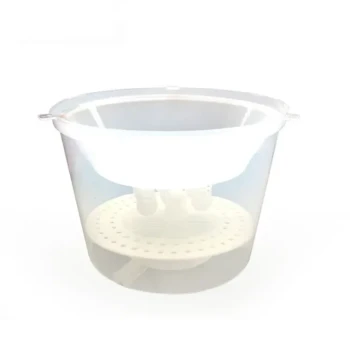
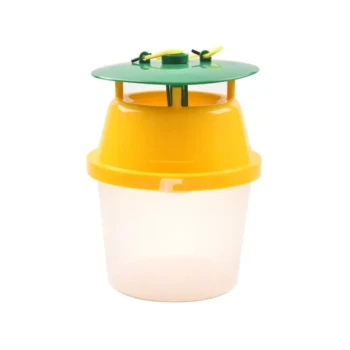
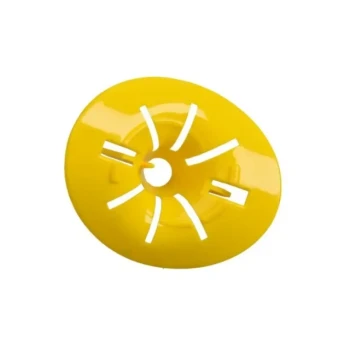
Small hive beetle traps function mechanically by exploiting the pest's natural instinct to seek refuge from aggressive honeybees. These devices utilize a physical exclusion barrier—specifically narrow slots on the top—that are sized perfectly to admit small beetles while blocking the larger bees. Once the beetle crawls inside to hide, it falls into a reservoir containing a killing agent, such as oil, where it is unable to escape and dies.
The trap operates as a mechanical "safe haven" turned deadly. It relies heavily on the strength of your colony to herd beetles toward the trap, making it a tool for population control rather than a standalone cure for infestation.
The Mechanics of Capture
Exploiting Beetle Behavior
Beetles have a natural tendency to hide in dark, tight spaces to avoid bee harassment. The trap mimics these crevices, effectively baiting the beetle into entering voluntarily.
The Exclusion Design
The critical feature of the trap is the precise width of the entry slots. These openings function as a selective filter, ensuring that while beetles can enter freely, bees are physically prevented from accessing the reservoir.
The Killing Reservoir
Once inside, the beetle drops into a bottom compartment. Because the walls are typically smooth and the reservoir contains a viscous substance, the beetle cannot climb back out and eventually perishes.
Strategic Deployment
Utilizing Bee Aggression
Traps are most effective when the bees are actively chasing the pests. The bees naturally corral beetles into corners and away from the brood, driving them directly toward the traps hidden between the frames.
Optimal Placement
To align with this chasing behavior, traps should be placed in the top box of the hive. They are designed to hang between frames, ideally positioned between the two outermost frames on the far edges of the box where beetles congregate.
Avoiding Ineffective Zones
Placing traps in the bottom of the hive or scattering them randomly is generally less effective. The natural movement of the hive pushes beetles upward and outward, making the top corners the prime capture zone.
Selecting the Killing Agent
Liquid Oils
The most common and effective method is filling the reservoir halfway with vegetable oil or mineral oil. This functions by drowning the beetles and prevents them from gaining traction to climb out.
Diatomaceous Earth
Some beekeepers prefer food-grade diatomaceous earth. This powder injures the beetles by cutting their exoskeletons rather than drowning them, though it does not physically immobilize them as quickly as oil.
Substances to Avoid
Never use boric acid or non-food-grade poisons inside the trap. These substances pose a significant risk to the bees and honey, particularly if the trap is tipped or if honey supers are present.
Understanding the Trade-offs
Target Limitations
These traps are strictly effective against adult beetles. They do not capture eggs or larvae, meaning they cannot stop an infestation that has already progressed to the larval stage (sliming).
Maintenance is Mandatory
Traps are not "set and forget" devices. You must inspect them regularly to remove dead beetles and replenish the attractant, as a trap filled with decaying beetles can become a sanitary issue for the hive.
Reliance on Colony Strength
A weak colony cannot effectively chase beetles into the traps. Therefore, traps are a supplement to, not a replacement for, maintaining a strong, stress-free colony.
Making the Right Choice for Your Goal
To get the most out of your pest management strategy, align your usage with these specific objectives:
- If your primary focus is routine prevention: Install oil-filled traps in the top box corners of your strongest hives to catch scouting adults before they lay eggs.
- If your primary focus is safety: Stick to food-grade mineral or vegetable oils and avoid chemical pesticides to ensure zero risk of honey contamination.
- If your primary focus is managing a weak hive: Combine traps with interventions to strengthen the colony, as the traps alone cannot compensate for a lack of bees to corral the pests.
Success depends on using the trap as a strategic barrier, not a magic bullet.
Summary Table:
| Feature | Mechanism | Purpose |
|---|---|---|
| Entry Slots | Narrow physical barrier | Admits beetles while blocking larger bees |
| Reservoir | Deep compartment | Contains the killing agent (oil or DE) |
| Beetle Instinct | Seeking refuge | Exploits natural tendency to hide from bees |
| Placement | Top box corners | Aligns with bee-driven beetle movement |
| Killing Agent | Oil or Diatomaceous Earth | Immobilizes and eliminates adult beetles |
Secure Your Apiary with Professional-Grade Solutions
As a commercial apiary or distributor, maintaining colony health is paramount to your success. HONESTBEE provides the industry's most comprehensive range of beekeeping tools, machinery, and essential consumables designed to scale with your operations.
From advanced hive-making and honey-filling machinery to specialized pest management hardware, our wholesale portfolio is tailored to meet the demands of large-scale beekeeping and retail distribution. Partner with us to access high-quality equipment that ensures your hives remain productive and protected.
Ready to upgrade your supply chain? Contact us today to explore our wholesale offerings and see how HONESTBEE can drive value for your business.
Related Products
- Reusable Aluminium Beetle Trap for Small Hive Beetles Silver Bullet
- Reusable Clear Small Hive Beetle Traps for Beehives Beetle Trapping Tools
- Removable Washable Hive Beetle Trap Attractants for Small Hive Beetles
- Black Plastic Beetle Barn Hive Beetle Trap for Beehives
- Plastic Beetle Blaster Trap Beekeeping Tools and Supplies
People Also Ask
- How should powdered substances be used in beetle traps for hive beetle control? Expert Guide for Maximum Colony Protection
- Why are beetle traps less effective during winter? Seasonal Shifts in Pest Control Explained
- When is the best time to use small hive beetle traps in cold climates? Protect Your Honeybee Winter Stores Now
- When and how should disposable traps for small hive beetles be removed? Master Hive Hygiene and Efficiency
- How do small hive beetle traps contribute to colony management? Enhance Diagnostic Accuracy and Protect Hive Health