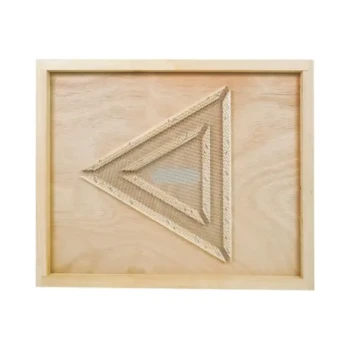
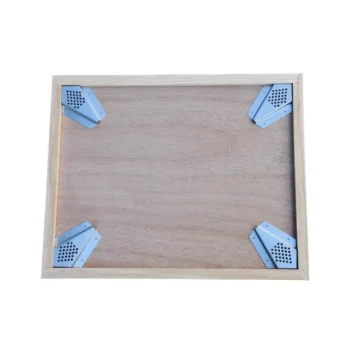
Wall Traps significantly enhance pollen purity by fundamentally changing the geometry of the hive entrance to isolate the harvest from contamination sources. By elevating the collection port and altering the bees' natural entry and exit paths, these devices create a physical buffer that protects raw pollen from environmental and biological debris.
Core Takeaway: While standard traps rely solely on mechanical stripping, Wall Traps add a layer of sanitary protection through structural elevation. This design prevents gravity-fed contamination—such as ground dust and hive waste—from entering the collection tray, resulting in a lower initial microbial load and higher quality raw material.
The Mechanics of Elevated Hygiene
The Role of Vertical Positioning
Standard pollen traps often sit at the bottom of the hive, close to the ground. Wall Traps differ by positioning the pollen collection port at a higher elevation on the beehive structure.
This vertical distance is critical for hygiene. It physically separates the open collection tray from the "splash zone" of rain, soil, and ground dust that typically affects lower-level components.
Altering Bee Traffic Flow
Wall Traps function by altering the natural entry and exit paths of the colony. Rather than a direct line of flight that might mix incoming foragers with waste disposal activities, the trap forces a specific route.
This controlled routing ensures that pollen is stripped and collected in a zone distinct from where bees might be expelling waste or removing hive debris.
Prevention of Contaminants
Blocking Biological Waste
A primary hygiene issue in raw pollen collection is contamination from the colony itself. The structural design of the Wall Trap prevents bee excrement and other internal hive debris from falling into the collection tray.
By diverting the pollen collection away from the hive's natural waste fallout zones, the trap maintains a significantly lower microbial load in the harvested product.
Filtering Environmental Debris
Because the trap is elevated and the entry path is modified, ground dust is far less likely to settle in the pollen.
This reduction in inorganic particulate matter means the raw pollen requires less intensive purification during later processing stages to achieve high-quality standards.
Understanding the Trade-offs
Adaptation and Traffic Flow
While Wall Traps offer superior hygiene, they alter the bees' flight path more drastically than some alternatives. Supplementary data suggests that bottom pollen traps may cause less interference with bee flight frequency.
Beekeepers must monitor the colony to ensure the altered entry path does not negatively impact foraging rates or colony development during peak flows.
The Necessity of Timely Collection
A cleaner trap design does not eliminate the need for rigorous management. Even with Wall Traps, pollen must be collected regularly to prevent moisture buildup and molding.
The trap improves physical purity (dust/debris), but the biological stability still depends on the beekeeper removing the pollen promptly and freezing it to preserve nutritional composition.
Making the Right Choice for Your Goal
To maximize the benefits of Wall Traps, align their use with your specific production objectives.
- If your primary focus is sanitary quality: Prioritize Wall Traps to minimize the initial microbial load and reduce the need for heavy post-harvest filtration.
- If your primary focus is processing efficiency: Utilize Wall Traps to obtain cleaner raw material, but strictly adhere to morning collection schedules (6:00 AM – 11:00 AM) to prevent mold.
By leveraging the structural advantages of Wall Traps, you ensure the physical integrity of the pollen while protecting the colony's health.
Summary Table:
| Feature | Wall Trap Benefit | Impact on Quality |
|---|---|---|
| Vertical Positioning | Elevated collection port away from ground | Prevents soil, dust, and rain splash contamination |
| Traffic Routing | Separates foragers from waste disposal paths | Minimizes exposure to bee excrement and hive debris |
| Waste Prevention | Structural barrier against internal fallout | Significantly lowers initial microbial load |
| Processing Need | Cleaner raw material collected | Reduces intensive post-harvest filtration requirements |
Elevate Your Apiary’s Output with HONESTBEE
At HONESTBEE, we specialize in empowering commercial apiaries and global distributors with professional-grade beekeeping solutions. Our comprehensive wholesale catalog ranges from high-precision hive-making and honey-filling machinery to essential consumables and specialized hardware like the hygiene-focused Wall Traps.
By choosing HONESTBEE, you gain a partner dedicated to your operational efficiency and product purity. Whether you are scaling your honey production or curating a line of honey-themed cultural merchandise, we provide the tools and expertise to help you succeed in the competitive beekeeping industry.
Ready to upgrade your collection process and maximize pollen quality?
Contact us today to explore our wholesale offerings
References
- Gianluigi Mauriello, Emilio Caprio. Microbial characterization of bee pollen from the Vesuvius area collected by using three different traps. DOI: 10.1371/journal.pone.0183208
This article is also based on technical information from HonestBee Knowledge Base .
Related Products
- 30 cm Plastic Entrance Hole Bee Pollen Trap and Collector
- Removable Plastic Pollen Trap With Ventilated Tray for Bees Pollen Collector
- Plastic Bee Pollen Trap Strips Comb Catcher Collector
- High-Efficiency Diamond Maze Bee Escape for Clearing Supers
- Black Plastic Beetle Barn Hive Beetle Trap for Beehives
People Also Ask
- What are the design principles and advantages of pollen traps in the collection of bee pollen? Boost Your Apiary Yield
- Why is frequent harvesting of bee pollen from traps necessary for quality control? Ensure Freshness and Prevent Mold.
- How often should bee pollen be harvested from a trap and why? Master Freshness and Prevent Spoilage
- What function do pollen traps serve in quantitative collection? Boost Your Apiary's Data & Production Efficiency
- What is the primary function of bee pollen traps? Optimize Your Pollen Harvest with Advanced Extraction Efficiency