Wood protectants and paints exert a direct influence on honey purity through the potential migration of chemical compounds. When coatings containing pesticides or fungicides—specifically agents like pentachlorophenol—are applied to the hive exterior, these toxins can leach through the wood and contaminate the internal environment. Consequently, the chemical makeup of your maintenance materials determines whether your honey remains safe for consumption or becomes compromised by toxic residues.
The use of standard industrial wood preservatives introduces a significant risk of chemical leaching into the hive. To ensure the safety of bee products, maintenance processes must strictly utilize food-grade or eco-friendly coatings devoid of toxic additives.
The Hidden Risks of Standard Wood Treatments
The Mechanism of Chemical Leaching
Wood is a porous material, meaning surface applications do not always remain on the exterior. Chemical components found in paints and preservatives can migrate through the timber over time.
Once these chemicals reach the interior, they enter the hive's atmosphere. This puts them in direct contact with the bees, the comb, and the honey stores.
Specific Chemicals of Concern
The primary reference highlights pentachlorophenol as a critical contaminant. Often found in older or industrial-grade wood preservatives to prevent rot, this is a pesticide and fungicide.
Because these agents are designed to eliminate biological organisms, their presence in a hive is fundamentally incompatible with a healthy colony and safe food production.
Why Hive Protection Still Matters
Preserving Environmental Control
While chemicals pose a risk, leaving wood untreated invites rot and weathering. A degrading hive structure cannot maintain the temperature and humidity management required for high-quality honey.
Proper hive integrity is necessary to keep moisture levels low, which is essential for extending the shelf life of the honey.
The Role of Physical Integrity
Modern hive maintenance is about balance. You must protect the wood to ensure the physical structure effectively separates the brood area from the honey storage.
If the wood rots due to lack of protection, the physical barriers that prevent larval impurities from entering the honey may fail.
Understanding the Trade-offs
Durability vs. Toxicity
Industrial wood preservatives offer extreme longevity against the elements, but they come at the cost of product contamination.
Choosing a chemical-heavy protectant might reduce the frequency of repainting, but it risks rendering your entire harvest unsafe for consumption.
Maintenance Frequency vs. Purity
Eco-friendly and food-grade coatings often require more frequent re-application than harsh industrial paints.
However, this increased labor is a necessary trade-off to ensure that the internal environment remains free of leaching toxins.
Making the Right Choice for Your Apiary
Beekeepers must weigh the protection of the wooden ware against the biological safety of the product.
- If your primary focus is honey purity: strictly avoid any coating containing pentachlorophenol or unidentified fungicides, opting instead for certified food-grade or eco-friendly formulations.
- If your primary focus is structural longevity: prioritize naturally rot-resistant timber or modern, non-toxic sealants rather than relying on chemical preservatives that permeate the wood.
By selecting the correct coating, you protect your equipment from the elements without sacrificing the integrity of your harvest.
Summary Table:
| Aspect | Industrial Wood Protectants | Eco-Friendly/Food-Grade Coatings |
|---|---|---|
| Primary Risk | Chemical leaching (e.g., Pentachlorophenol) | Higher maintenance frequency |
| Honey Purity | High risk of toxic residues and contamination | Maintains organic integrity and safety |
| Hive Durability | Maximum protection against rot/weathering | Moderate protection; requires re-application |
| Bee Health | Potential toxicity to colony and brood | Safe for the internal hive environment |
| Best Use Case | Non-food contact structures | Commercial honey production and brood boxes |
Elevate Your Apiary’s Purity with HONESTBEE
Protecting your honey's integrity starts with the right equipment and maintenance. At HONESTBEE, we specialize in supporting commercial apiaries and distributors with a comprehensive wholesale range of professional beekeeping tools, machinery, and essential consumables.
Whether you need specialized hive-making machines to craft high-quality woodenware, honey-filling machines for your harvest, or expert-grade equipment that ensures a safe internal hive environment, we provide the full spectrum of solutions to scale your business.
Ready to upgrade your commercial operations? Contact us today to discover how our premium portfolio can enhance your production efficiency and product quality.
References
- Stefan Bogdanov. Contaminants of bee products. DOI: 10.1051/apido:2005043
This article is also based on technical information from HonestBee Knowledge Base .
Related Products
- Wholesales Dadant Size Wooden Bee Hives for Beekeeping
- Wooden Bee Hive Frames for Beekeeping and Wholesale
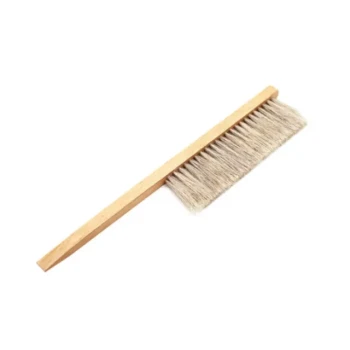
- Wooden Bee Brush with Double-Row Horsehair Bristles
- Metal Hive Feet Bee Hive Stand for Ant Protection
- White Cotton Beekeeping Jacket and Veil for Bee Keepers
People Also Ask
- What are the strategic benefits of installing beekeeping hives at an elevation of 1 to 6 meters? Protect Your Assets
- What are the key advantages of modern improved beekeeping hives? Scale Your Honey Yield and Production Efficiency
- What is the proper way to store unused bee hives? Expert Stacking Tips for Equipment Longevity
- What are the 2 types of bee hives? Langstroth vs. Top-Bar for Your Apiary
- How does the design of improved beekeeping hives contribute to maintaining honey quality and purity? Enhancing Purity