Worker bee behavior directly shapes beehive chamber design. Bees use clustering, muscle vibration, honey consumption, wing-fanning, and water evaporation to keep the brood nest within a narrow temperature range, typically around 33–36°C. Hive chambers must therefore provide stable internal volume, controlled airflow, insulation, and precisely spaced frames that support both brood development and honey storage.
A well-designed hive does not replace the colony’s natural climate-control system; it makes that system more efficient. Proper chambers reduce heat loss, prevent excessive moisture, support airflow, and separate brood rearing from honey harvesting.
How Worker Bees Control the Hive Climate
Bees generate heat in cold conditions
When temperatures fall, worker bees cluster around the brood and use their thoracic muscles to produce heat. They also consume stored honey as an energy source for thermoregulation.
This means a poorly insulated chamber can increase the colony’s food consumption. More stored honey is then used to maintain survival conditions rather than support brood production or create surplus honey.
Bees cool the hive through airflow and evaporation
During warm periods, workers fan their wings to move air through the hive. They also use water evaporation to remove heat from the nest.
Hive chambers must therefore allow sufficient air movement without creating uncontrolled drafts. Ventilation should support cooling and moisture removal while preserving the stable environment required by the brood.
Bees rely on clustering and social regulation
A colony responds collectively to external conditions. Bees tighten their cluster to retain heat in cold weather and spread out or increase fanning when temperatures rise.
The chamber should provide enough usable space for these behavioral changes. Excessive open volume can make climate control more difficult, while insufficient space can restrict movement, ventilation, and colony expansion.
How Behavior Influences Chamber Design
Stable internal volume is essential
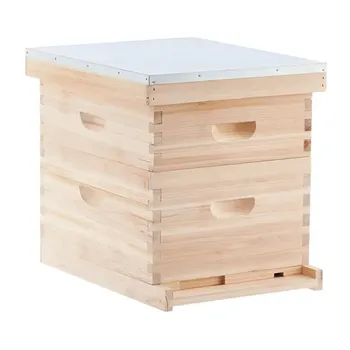
Hive bodies and supers create the physical cavity in which bees establish their nest. A chamber that approximates the protected cavity of a hollow tree helps reduce passive heat exchange with the outside environment.
The goal is not complete isolation. The hive must balance thermal stability with controlled ventilation so bees can regulate temperature, humidity, and respiratory conditions efficiently.
Insulation reduces metabolic stress
Adequate wall thickness and suitable hive materials help reduce heat loss during cold weather and slow heat gain during hot weather. This lowers the amount of energy workers must spend on heating and cooling.
For manufacturers and distributors, insulation performance is therefore more than a construction detail. It affects colony survival, stored-food consumption, brood quality, and potential honey yield.
Ventilation must be controllable
Ventilation features should allow moisture and excess heat to escape while avoiding excessive exposure to cold air. Adjustable or appropriately designed openings are more useful than simply maximizing airflow.
Poor ventilation can contribute to moisture accumulation and condensation. Excessive ventilation, particularly in cold conditions, can increase heat loss and force bees to consume more honey for heating.
Precise frame spacing supports natural movement
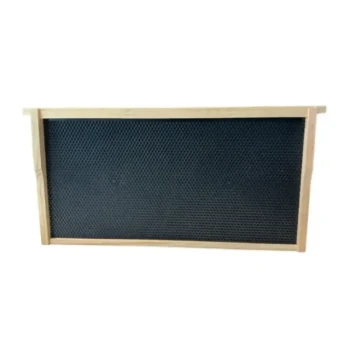
Frames must hold parallel beeswax combs at consistent distances. Correct spacing allows bees to move between combs, maintain brood coverage, fan air, and manage the colony without creating disruptive gaps.
Inconsistent dimensions can produce excess spaces, restricted passages, or damaged comb. Precision manufacturing and tight-fitting hive components are therefore important for both colony management and product reliability.
Why Brood Chambers and Honey Supers Are Separated
The brood chamber protects the colony’s core function
The lower brood chamber is where the queen lays eggs and workers rear developing bees. Temperature control is especially important in this area because brood requires a stable microclimate.
Frequent disturbance of the brood nest can interrupt clustering, airflow management, and the queen’s laying pattern. Keeping this chamber dedicated to brood rearing supports biological stability.
Honey supers create a harvesting zone
Dedicated honey supers provide additional comb space for honey storage above the brood area. This separation allows beekeepers to remove mature honey with less disruption to the brood chamber.
For commercial operations, the arrangement also improves workflow. Honey can be managed, removed, and sent for extraction while the lower chamber remains focused on colony development.
Chamber compatibility matters across the product range
Brood boxes, supers, frames, covers, floors, and ventilation components must work together dimensionally. Standardized specifications make it easier for beekeepers to expand colonies, replace damaged parts, and manage equipment across multiple hives.
For distributors and B2B resellers, compatibility is a core purchasing consideration. A broad, coordinated product portfolio is more valuable than isolated components that require uncertain matching.
Designing Chambers for Real Operating Conditions
Cold climates require stronger heat retention
In cold conditions, the chamber should reduce heat loss through effective insulation, sound joints, and appropriate ventilation control. The bees can then maintain the brood nest with less honey consumption.
Equipment should still allow moisture to escape. A warm but damp hive can create a different set of risks from a cold, dry one.
Hot climates require heat-release capacity
In warm environments, bees need airflow and evaporative cooling. Chamber designs should provide ventilation options that help workers remove heat without exposing the colony to uncontrolled drafts or excessive disturbance.
The correct solution depends on local climate, hive placement, colony strength, and seasonal management. A design suitable for a cold apiary may not be optimal for a highly ventilated urban rooftop.
Precision supports repeatable field performance
Tight joints, accurate frame dimensions, and consistent component tolerances help make the internal cavity predictable. Predictability allows bees to establish comb and regulate the nest without compensating for avoidable structural defects.
For equipment suppliers, quality control should cover dimensions, fit, material performance, ventilation features, and finish—not only visual appearance.
Understanding the Trade-offs
More ventilation is not always better
Ventilation helps remove heat and moisture, but excessive airflow can increase heat loss and make temperature control harder. The best design provides controlled ventilation, not maximum ventilation.
More insulation is not a complete solution
Insulation can reduce heat exchange, but it does not eliminate the need for ventilation or appropriate hive management. Moisture control, seasonal adjustment, and colony strength remain important.
Larger chambers provide capacity but increase climate-control demands
Additional space can support colony expansion and honey storage. However, unused volume may be harder for a small colony to regulate, particularly during cold weather.
Chamber size should therefore match the colony’s development stage and the beekeeper’s management plan.
Standardization must be paired with application knowledge
Standardized equipment improves interchangeability, but no single chamber configuration is ideal for every climate or apiary. Resellers should help customers match components to regional conditions, colony size, and intended use.
Cost should be evaluated against operating efficiency
Lower-cost equipment may appear attractive initially, but poor dimensional accuracy, weak joints, or inadequate thermal performance can increase colony stress and replacement costs.
Premium equipment is justified when its construction reduces maintenance, improves reliability, and supports better colony performance over repeated seasons.
Choosing and Supplying the Right Hive Chambers
The most effective purchasing decisions connect bee behavior, chamber design, climate, and operating goals.
- If your primary focus is colony health: Choose chambers with stable internal volume, suitable insulation, controlled ventilation, and precisely spaced frames that support brood temperature regulation.
- If your primary focus is honey production: Use a dedicated brood chamber with compatible honey supers so honey can be harvested without disturbing the temperature-sensitive brood nest.
- If your primary focus is cold-weather operation: Prioritize sound construction, tight-fitting components, and thermal performance that reduce heat loss and unnecessary honey consumption.
- If your primary focus is hot-weather operation: Select chambers with effective, adjustable airflow and sufficient capacity for worker fanning and evaporative cooling.
- If your primary focus is distribution or resale: Source a complete, compatible range of hive bodies, frames, supers, covers, floors, and ventilation components from a supplier able to provide rapid response and consistent fulfillment.
- If your primary focus is long-term operating value: Evaluate dimensional precision, material quality, service support, replacement availability, and delivery reliability alongside the initial purchase price.
The right beehive chamber works with the colony’s natural regulation system, preserving bee energy for brood rearing, foraging, and honey production.
Summary Table:
| Aspect | How Bees Regulate | Chamber Design Implication |
|---|---|---|
| Cold | Cluster, muscle vibration, honey consumption | Insulation, stable volume, reduced heat loss |
| Hot | Fanning, water evaporation | Controlled airflow, moisture escape |
| Brood | Tight cluster, spreading out | Precise frame spacing, dedicated brood chamber |
| Ventilation | Need controlled air movement | Adjustable openings, balancing heat/moisture |
| Frame spacing | Movement between combs | Consistent distances, precision manufacturing |
| Supers | Separate honey storage | Divisible chambers for less disturbance |
Optimize your beehive equipment for better colony performance. At HONESTBEE, we supply a comprehensive range of hive bodies, supers, frames, and ventilation components designed to work in harmony with bee behavior. Our one-stop sourcing, rapid response, and ultra-fast delivery ensure your operations run smoothly. Whether you're a commercial beekeeper or a distributor seeking reliable supply, we support your growth with OEM/ODM services and certified quality. Contact us today to discuss your needs and discover how our full-spectrum portfolio can boost your efficiency and profitability.
Related Products
- Professional Reversible Beehive Hive Entrance
- Professional Observation Hive: The Ultimate Portable Solution for Beekeeping Education, Exhibitions, and Colony Displays
- Stainless Steel Round Beehive Air Vents for Ventilation
- Inner Beehive Cover for Beekeeping Bee Hive Inner Cover
- Multi-Functional Sliding Hive Entrance for Beekeeping
People Also Ask
- Where is the hive entrance typically located? Optimize Your Hive's Health and Honey Production
- What role does the size of the entrance play in hive ventilation? Master Beehive Climate Control
- What roles does the hive entrance (piquera) play in beehive management and colony health? Essential Guide for Pro Apiaries
- What are the primary advantages of providing a smaller entrance for a beehive? Boost Defense and Winter Survival
- Why adjust beehive entrance size for humidity? Boost Honey Ripening and Varroa Control in Commercial Apiaries