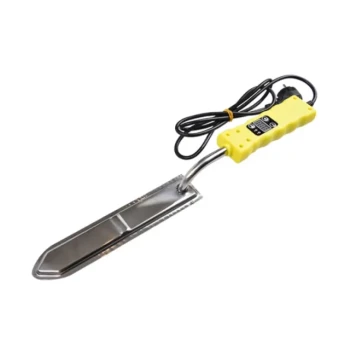
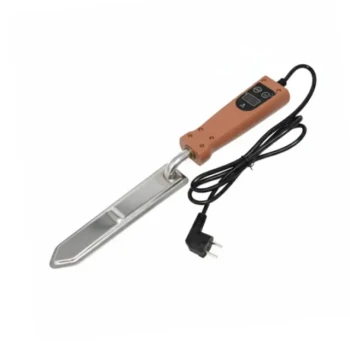
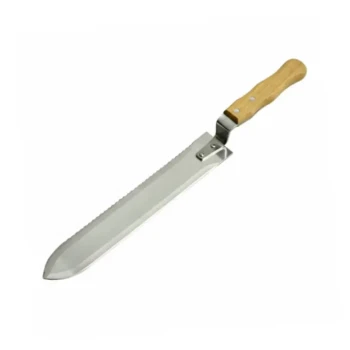
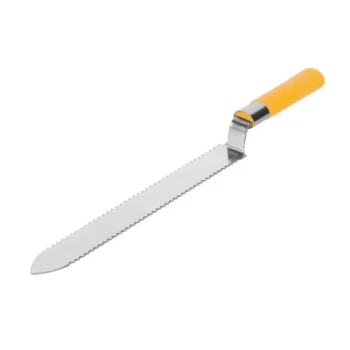
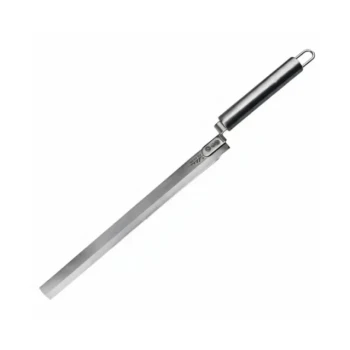
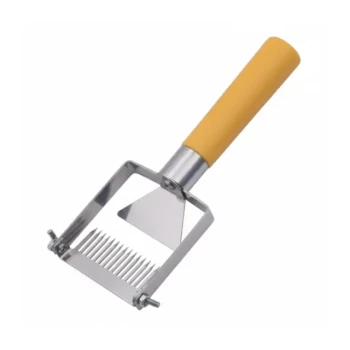
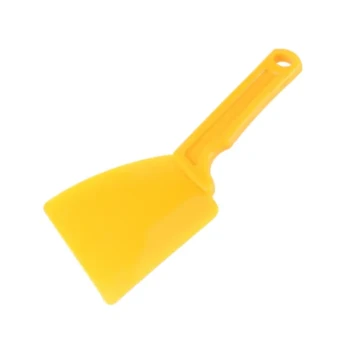
A hot knife serves as a precision thermal tool designed to cleanly slice through wax caps and excess beeswax on queen cells. It functions by heating a metal blade to melt through the wax structure instantly, exposing the royal jelly without generating loose wax debris that could contaminate the product.
The hot knife transforms the harvesting process by replacing mechanical force with thermal action, ensuring that cell caps are removed rapidly while maintaining the absolute purity of the underlying royal jelly.
The Mechanics of Thermal Cutting
Eliminating Contamination Risks
The primary function of the hot knife is to maintain surface integrity. When standard blades cut cold wax, they often create crumbs or jagged edges. The hot knife cauterizes the wax as it cuts, ensuring no physical debris falls into the jelly.
Increasing Process Efficiency
Harvesting royal jelly is a time-sensitive operation. The heated element allows the blade to glide through the wax with zero resistance. This "thermal-physical" method is significantly faster than manual cold cutting, allowing producers to process more frames in less time.
Preparing the Cell for Extraction
Before royal jelly can be harvested, the cell must be fully accessible. The hot knife levels the surface of the queen cell frame. This creates a uniform opening, which is essential for the subsequent steps of larva removal and jelly extraction.
Integration into the Harvesting Workflow
The Role of the Hot Knife in the Sequence
The hot knife is utilized after the bees have been removed from the frames using a bee brush. It acts as the preparatory step that exposes the cell interior. Once the wax cap is removed by the hot knife, grafting needles or tweezers can be used to remove the larvae without obstruction.
protecting the Larvae
While the knife uses heat, it is applied only to the upper wax structure. This precision ensures the heat does not penetrate deep enough to harm the larva or degrade the jelly. It clears the physical barrier so that the delicate work of larva removal can proceed without mechanical interference.
Understanding the Trade-offs
Thermal Management
While effective, the hot knife requires precise temperature control. If the blade is too cool, it will drag and tear the wax rather than melting it. If the blade is excessively hot, there is a theoretical risk of scorching adjacent wax or affecting the very top layer of the jelly if handled roughly.
Equipment Maintenance
The blade must be kept immaculately clean. Burnt wax or propolis buildup on the heated blade can reduce cutting efficiency. Regular cleaning is required to ensure the cut remains smooth and the instrument remains sterile.
Making the Right Choice for Your Goal
To maximize the value of a hot knife in your production line, consider your specific production targets:
- If your primary focus is Production Speed: Utilize the hot knife to rapidly level entire rows of cells in a single pass, significantly reducing the prep time per frame.
- If your primary focus is Product Purity: Rely on the hot knife specifically to prevent "wax crumbling," ensuring the final filtered royal jelly is free of particulate matter.
The hot knife is not just a cutting tool; it is a contamination control device that ensures the speed of commercial production does not compromise the biological integrity of the royal jelly.
Summary Table:
| Feature | Benefit in Royal Jelly Harvesting |
|---|---|
| Thermal Cutting | Glides through wax without creating debris or crumb contamination |
| Surface Leveling | Creates uniform cell openings for easier larva removal and extraction |
| Processing Speed | Reduces preparation time per frame compared to cold manual cutting |
| Integrity Control | Protects the biological purity and quality of the underlying jelly |
Elevate Your Royal Jelly Production with HONESTBEE
Maximize your harvest efficiency and ensure the highest product purity with professional-grade tools from HONESTBEE. We specialize in supporting commercial apiaries and distributors with a complete wholesale range of beekeeping machinery and essentials.
From precision hot knives and grafting needles to advanced honey-filling machines and specialized hardware, our portfolio is designed to enhance every stage of your operation. Whether you are scaling a commercial apiary or supplying the industry, we provide the reliable equipment and consumables you need to succeed.
Ready to upgrade your production line? Contact us today to discuss your wholesale needs!
References
- O. Mischenko, D. Kryvoruchko. The influence of honey harvest conditions on the production of the royal jelly by queen bees. DOI: 10.31073/agrovisnyk202104-06
This article is also based on technical information from HonestBee Knowledge Base .
Related Products
- Professional Electric Honey Uncapping Knife with Heated Digital Temperature Control for Beekeeping
- Electric Heated Honey Uncapping Knife for Beekeeping
- Plastic Chinese Queen Grafting Tool for Bee Queen Rearing
- Electric Hot Honey Uncapping Knife with Thermostat
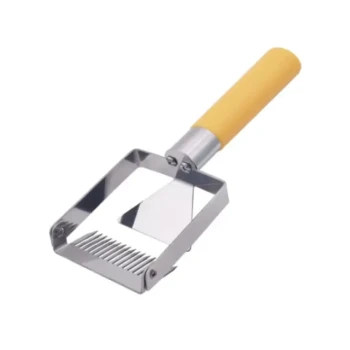
- All-Stainless Steel Pivoting Honey Uncapping Fork for Beekeeping
People Also Ask
- Why are electric honey uncapping knives essential? Boost Efficiency & Preserve Comb for Professional Honey Extraction
- What is an electric uncapping knife and how is it used? Master Faster Honey Extraction with Heat
- What are the advantages and disadvantages of using an electric knife for uncapping honey frames? Boost Extraction Speed
- What are the drawbacks of using an electric knife for uncapping honey frames? Cost and Power Constraints Explained
- How should an electric uncapping knife be utilized? Master Efficient Honey Extraction with Heated Precision