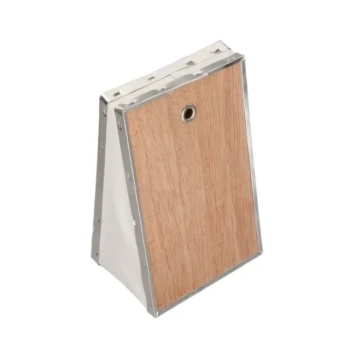
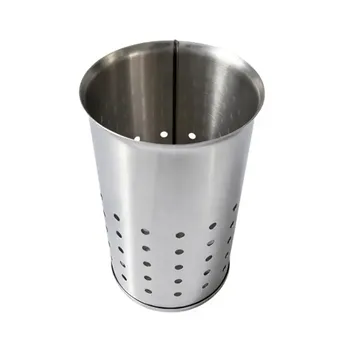
A portable beekeeping smoker functions by generating cold smoke to physiologically and chemically alter the behavior of a honeybee colony. By masking chemical communication signals and triggering a survival instinct to gorge on food resources, the device acts as a primary bio-control mechanism that allows for safe interaction between the beekeeper and the hive.
The smoker is more than a safety accessory; it is a behavior modification tool that interrupts the colony's defensive network. By disrupting alarm pheromones and inducing a feeding response, it creates a controlled environment essential for precise hive management.
The Biological Mechanisms of Control
Disrupting Chemical Communication
Honeybees rely heavily on olfactory signals to coordinate defense. When a hive is disturbed, guard bees release alarm pheromones to alert the colony to attack. The cold smoke generated by the smoker physically masks these scents, effectively jamming the transmission of the "danger" signal to the rest of the hive.
Triggering the Survival Instinct
The presence of smoke simulates a natural forest fire event. This triggers an immediate, biological instinct in the bees to consume honey. They gorge themselves on their stores in anticipation of potentially having to abandon the hive and build a new home elsewhere.
Inducing Physical Lethargy
The act of consuming honey has a direct physical effect on the bees. As they become engorged with nectar and honey, they become sluggish and docile. This physiological state makes it mechanically difficult for them to bend their abdomens to sting, significantly reducing defensive aggression.
Operational Impact on Hive Management
Ensuring Operator Safety
The primary function of the smoker is to protect the human operator. By reducing the risk of stings, the beekeeper can focus on complex tasks—such as larval grafting or queen location—without the distraction of an aggressive defense response.
Facilitating Efficient Harvesting
During honey extraction, speed and precision are critical. A smoker minimizes labor time loss by keeping the colony calm, preventing the chaotic production fluctuations that often occur when a colony is highly agitated.
Reducing Colony Stress and Mortality
Using a smoker actually protects the bees as well. A calm colony suffers less bee mortality during inspections because fewer bees attack the operator (and subsequently die) or get crushed during frame manipulation. It maintains the continuity of the production process by preventing panic.
Understanding the Trade-offs
The Necessity of "Cool" Smoke
The references explicitly state the device must generate cold or cool smoke. If the smoke is too hot, it can singe the bees' wings or melt beeswax, causing permanent physical damage to the colony rather than simply calming it.
Potential for Over-use
While the smoker is an essential tool, it relies on stimulating a stress response (fear of fire) to achieve a calm state. Excessive smoking can lead to honey contamination or induce panic rather than docility, disrupting the hive's productivity longer than necessary.
Making the Right Choice for Your Goal
To utilize a portable smoker effectively, you must tailor its application to your specific objective:
- If your primary focus is Routine Inspection: Apply light puffs of cool smoke at the entrance to mask pheromones, keeping guard bees calm without disrupting the brood nest.
- If your primary focus is Honey Harvesting: Use the smoker to induce the feeding response, ensuring bees are gorged and sluggish to facilitate the removal of heavy frames with minimal resistance.
Properly utilized, the smoker bridges the gap between human management needs and insect survival instincts, ensuring a safe harvest for the keeper and the colony.
Summary Table:
| Mechanism | Physiological Impact | Practical Benefit |
|---|---|---|
| Pheromone Masking | Jams alarm scent transmission | Prevents colony-wide defensive attacks |
| Feeding Instinct | Bees gorge on honey/nectar | Bees become docile and physically sluggish |
| Smoke Temperature | Must be cool/cold smoke | Protects bees from wing and wax damage |
| Behavioral Control | Interrupts defensive network | Reduces bee mortality and operator stings |
Elevate Your Beekeeping Operation with HONESTBEE
At HONESTBEE, we specialize in empowering commercial apiaries and distributors with high-performance tools designed for professional use. Whether you need specialized honey-filling machines, durable hive-making equipment, or premium beekeeping smokers, our comprehensive wholesale portfolio has you covered.
We provide the full spectrum of machinery and essential industry consumables to streamline your production and boost hive productivity. Maximize your harvest efficiency today—Contact our specialists now to discuss custom equipment solutions and bulk wholesale pricing tailored to your business needs.
References
- Delfy Lensari, Jun Harbi. Honeybee Cultivation Training Apis Mellifera with Forest Farmers Group (KTH) Wana Lestari, Rejo Sari Village, Megang Sakti District, Musi Rawas Regency. DOI: 10.32502/altifani.v5i1.268
This article is also based on technical information from HonestBee Knowledge Base .
Related Products
- Miniature Stainless Steel Bee Smoker for Beekeeping
- Stainless Steel Honey Bee Smoker Hive and Honeycomb Smoker for Beekeeping
- Electric Bee Smoker European Style Bee Hive Smoker for Beekeeping
- Stainless Steel Electric Beehive Smoker for Beekeeping and Bee Keeper Use
- Professional Bee Smoker with Elongated Spout and Durable Bellows for Beekeeping
People Also Ask
- What are bee smokers made out of? Choose the Right Material for Your Apiary
- What is the mechanism by which a beekeeping smoker controls honeybee aggression? Unlock Calm Hive Inspections
- What is the function of a beekeeping smoker during the harvesting and processing of Apis florea combs? | Expert Guide
- How should a beekeeping smoker be used when inspecting a hive? Master Calm Hive Management Techniques
- How does smoke from a beekeeping smoker affect honeybees? Master Hive Control with Science