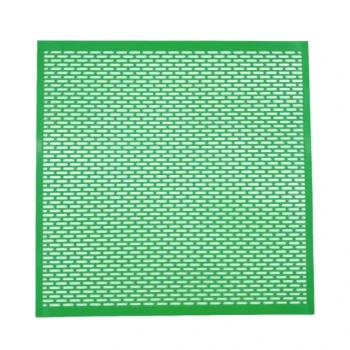
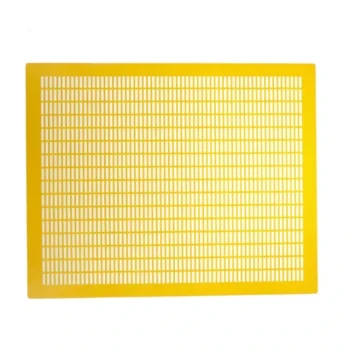
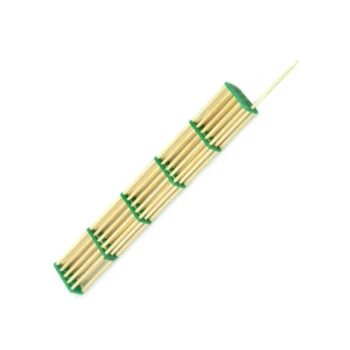
A Queen Excluder is the primary structural control for maintaining biological and chemical purity in honey production. It functions as a precision filter within the hive, utilizing a specific grid spacing that allows smaller worker bees to pass through while physically blocking the larger queen bee. By confining the queen to the lower brood chamber, the device ensures the upper honey supers remain exclusively for nectar storage, guaranteeing the final harvest is free of eggs, larvae, or brood impurities.
The Queen Excluder effectively zones the hive, separating the colony's reproductive activities from its food storage. This separation is the single most critical factor in preventing biological cross-contamination, ensuring the harvested honey retains high sensory quality and commercial marketability.
The Mechanics of Hive Segmentation
The Size Differential Principle
The core mechanism relies on the natural size difference between bee castes. The excluder features a precise physical aperture designed to be just large enough for worker bees to navigate but too narrow for the queen's larger thorax.
Establishing the Two-Chamber System
By placing this grid between the lower brood box and the upper honey supers, you enforce a strict vertical organization. The queen is restricted to the bottom to lay eggs, while workers travel to the top to store nectar. This creates a dedicated "pantry" separate from the "nursery."
Impact on Honey Purity and Processing
Eliminating Biological Impurities
Without an excluder, the queen will naturally expand the brood nest upward into the honey supers. This results in honeycombs containing developing larvae and pupae. Harvesting from mixed frames inevitably introduces biological impurities into the honey, compromising its purity and texture.
Facilitating Efficient Processing
When supers are free of brood, the extraction process is cleaner and faster. There is no risk of damaging developing bees or contaminating the honey with larval fluids. This purity is essential for maintaining the sensory quality required for premium commercial products.
Creating an Undisturbed Ripening Environment
Restricting the queen ensures the upper supers are an undisturbed environment. In this dedicated space, worker bees can focus entirely on dehydrating and ripening the nectar into honey without the disruption of nurse bees tending to brood.
Understanding Material Trade-offs
The Risk of Environmental Corrosion
The interior of a hive is a harsh environment characterized by high humidity and organic acids. Low-quality metal excluders are susceptible to oxidation and rust under these conditions.
Avoiding Metal Contamination
To ensure total purity, modern management relies on excluders treated with plasticization or high-standard chrome plating. These materials resist metal fatigue and corrosion. This is particularly critical when honey is used as a bio-indicator for environmental pollution, as rust byproducts could skew chemical analysis and contaminate the food product.
Making the Right Choice for Your Goal
To maximize the quality of your harvest, select your equipment based on your specific production targets:
- If your primary focus is Commercial Marketability: Prioritize the use of excluders to strictly separate brood from honey, ensuring a product free of larvae and biological debris.
- If your primary focus is Chemical Purity or Bio-monitoring: Select excluders with high-quality chrome plating or plasticization to prevent metal oxidation and rust contamination in the hive.
By enforcing strict spatial management within the hive, you ensure that the honey harvested is a pure reflection of the nectar source, untouched by the colony's reproductive cycle.
Summary Table:
| Feature | Function in Quality Control | Benefit to Beekeeper |
|---|---|---|
| Precision Grid Spacing | Blocks queen from honey supers while allowing worker access | Prevents eggs, larvae, and brood from contaminating honey |
| Hive Segmentation | Separates the "nursery" (brood) from the "pantry" (honey) | Ensures high sensory quality and easier extraction process |
| Advanced Coating | Plasticized or chrome-plated surfaces | Prevents oxidation and rust contamination in high-humidity hives |
| Zoned Ripening | Creates an undisturbed nectar-processing environment | Optimizes honey dehydration and chemical purity |
Elevate Your Apiary Productivity with HONESTBEE
At HONESTBEE, we specialize in empowering commercial apiaries and distributors with the tools needed for premium honey production. Whether you are scaling operations with honey-filling machines or maintaining hive purity with high-standard chrome-plated queen excluders, our comprehensive wholesale portfolio has you covered.
We supply everything from specialized hive-making machinery to essential consumables and honey-themed merchandise, ensuring your business stays competitive and efficient. Partner with us to secure a reliable supply chain of top-tier beekeeping equipment—contact us today to discuss your wholesale needs!
References
- Suraj P. Sharma. Factors affecting adoption of beekeeping and associated technologies in Kamrup (rural) district, Assam state, India. DOI: 10.15406/bij.2018.02.00069
This article is also based on technical information from HonestBee Knowledge Base .
Related Products
- High Performance Plastic Queen Excluder for Beekeeping and Apiary Management
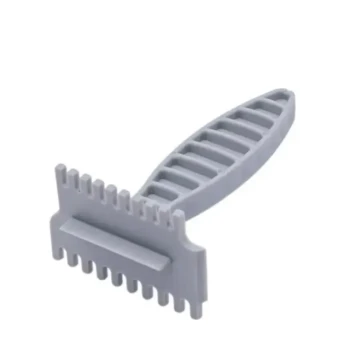
- Lightweight Durable Plastic Queen Excluder Scraper for Beekeeping
- Professional Plastic Queen Excluder for Modern Beekeeping
- Metal Queen Bee Excluder for Beekeeping
- Premium Wood Framed Metal Wire Queen Bee Excluder
People Also Ask
- What are the characteristics of a plastic queen excluder? Key Benefits for Cost-Effective Beekeeping
- What are the operational and cost advantages of using plastic queen excluders over metal or wire excluders in commercial hive management? Discover how they reduce labor, prevent wing damage, and lower total costs.
- What types of queen excluders are available for beekeepers? Choose the Right Tool for Your Hive
- Why are standardized hive frames and queen excluders essential for maintaining honey purity and quality? Scale Your Purity
- Do plastic queen excluders work? A Cost-Effective Solution for Modern Apiaries