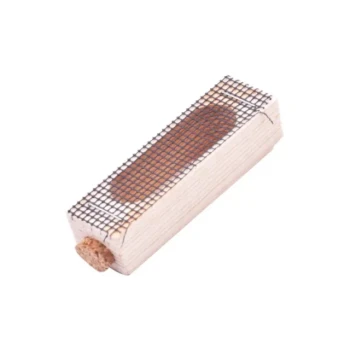
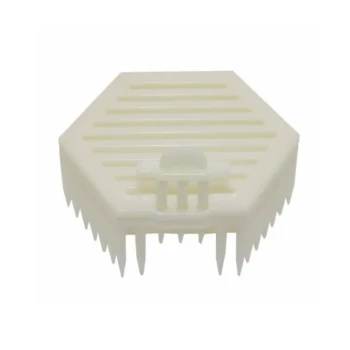
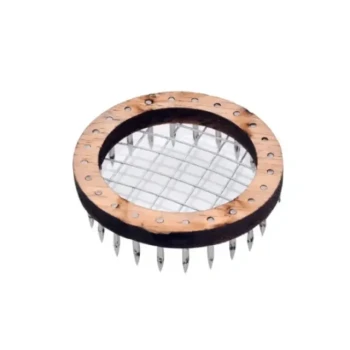
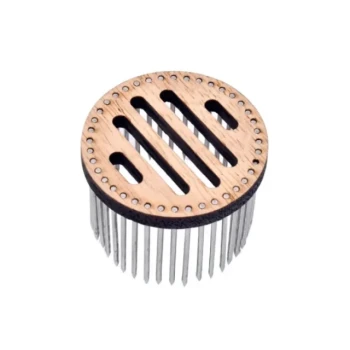
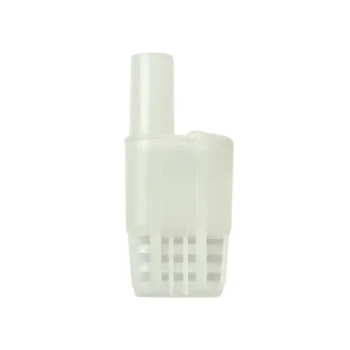
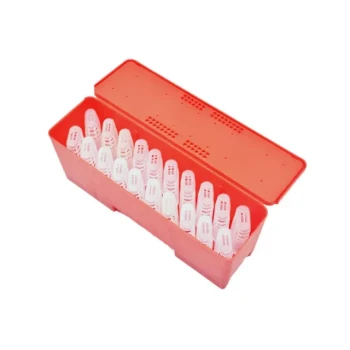
Precise temporal control is the mechanism by which a queen isolation cage transforms a honeybee colony into a standardized laboratory environment. By physically restricting the queen to a specific area using spacing grids, the device dictates the exact window of egg-laying, ensuring that subsequent developmental stages occur in lockstep.
Core Takeaway Reliable scientific data requires the elimination of variables. The queen isolation cage removes age-related discrepancies by generating large, synchronized batches of larvae or adults, providing the uniform baseline essential for developmental biology and pharmacological studies.
The Mechanics of Isolation
Restricting the Queen
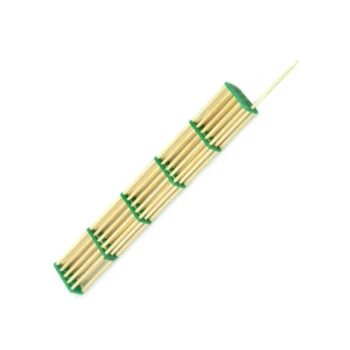
The fundamental component of the cage is a set of physical spacing grids. These barriers are engineered with precise dimensions that are impassable for the queen bee.
By installing this cage over a specific area of the comb, researchers force the queen to lay eggs exclusively within that designated zone.
Allowing Worker Access
While the queen is confined, the colony's support system must remain intact. The grid spacing is wide enough to allow smaller worker bees to pass through freely.
This design ensures that although egg-laying is spatially restricted, the brood continues to receive essential nursing care and resources from the colony.
The Research Impact
Achieving Uniformity
In a natural setting, a queen lays eggs continuously across the hive, resulting in a brood population of mixed ages. The isolation cage allows researchers to strictly control the timing of this process.
By limiting the queen's access to a short, defined window, the resulting eggs hatch and develop almost simultaneously.
Enabling High-Volume Sampling
This synchronization allows for the harvesting of large batches of test subjects that are physiologically identical.
Researchers can obtain significant numbers of larvae or newly emerged adult bees that are effectively the same age, streamlining data collection.
Applications in Biology and Pharmacology
Uniformity is critical for developmental biology and pharmacological studies.
When testing the effects of a drug or observing biological development, researchers can be confident that results are due to the experimental variable, not differences in the subjects' age or maturity.
Critical Operational Factors
The Necessity of Grid Precision
The efficacy of this method relies entirely on the mechanical separation of castes. The spacing grids must be manufactured to exact tolerances.
If the grid is too wide, the queen escapes; if too narrow, worker bees cannot enter to nurse the brood, compromising the experiment.
Defining the Time Window
The degree of "uniformity" is directly proportional to how long the queen is kept in the cage.
Researchers must balance the need for a large sample size (longer confinement) with the need for precise age synchronization (shorter confinement).
Making the Right Choice for Your Goal
To maximize the utility of a queen isolation cage, align your usage with your specific research parameters:
- If your primary focus is Developmental Biology: Use the cage to establish a rigid "Time Zero" for egg-laying to map precise developmental milestones.
- If your primary focus is Pharmacological Studies: Use the cage to generate cohorts with identical metabolic baselines to ensure drug response data is not skewed by age variances.
By converting the continuous flow of nature into discrete, measurable batches, the queen isolation cage provides the rigorous standardization required for high-quality data.
Summary Table:
| Feature | Function in Research | Impact on Data Quality |
|---|---|---|
| Physical Spacing Grids | Restricts queen movement while allowing workers | Ensures brood care without escaping queen |
| Temporal Control | Defines exact egg-laying windows | Eliminates age-related developmental variables |
| Spatial Restriction | Focuses laying on specific comb areas | Simplifies harvesting of synchronized larvae |
| Batch Synchronization | Generates large, identical cohorts | Provides uniform baseline for pharmacology/biology |
Elevate Your Research Precision with HONESTBEE
At HONESTBEE, we understand that reliable scientific data starts with the highest quality equipment. As a leading provider for commercial apiaries and global distributors, we supply a comprehensive range of beekeeping tools—from precision-engineered queen isolation cages to industrial honey-filling machines.
Whether you are managing large-scale research projects or expanding your distribution portfolio, our wholesale offerings provide the durability and precision required for professional operations. Let us support your growth with our expertise in beekeeping hardware and industry consumables.
Ready to streamline your apiary operations? Contact us today to explore our full spectrum of professional beekeeping solutions!
References
- Geoffrey R. Williams, Robert Brodschneider. Standard methods for maintaining adult<i>Apis mellifera</i>in cages under<i>in vitro</i>laboratory conditions. DOI: 10.3896/ibra.1.52.1.04
This article is also based on technical information from HonestBee Knowledge Base .
Related Products
- Professional Bamboo Queen Isolation Cage
- Durable Galvanized Steel Spring Queen Bee Cage
- Professional Queen Cage with Sliding Gate and Feeder Plug
- Professional Queen Bee Introduction and Transport Cage
- Durable Plastic Push In Queen Bee Cage
People Also Ask
- Why are specialized queen bee cages used for the banking of mated queen bees? Maximize Commercial Apiary Storage Efficiency
- What is the mechanism of action for using temporary queen bee cages? Master Successful Queen Introduction
- How does the side ventilation design of a queen bee cage impact the safety of the queen during long-distance transport?
- What should you do if the queen is still in the cage and the worker bees have not accepted her? Protect Your Colony from Queen Rejection
- What technical precaution must be taken regarding the mesh or grill side of a queen bee cage? Ensure Queen Survival