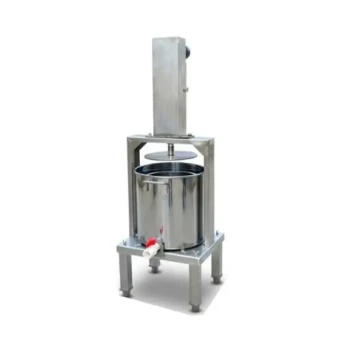
Industrial microwave processing units revolutionize honey production by utilizing magnetron-generated microwaves for rapid, volumetric heating. This advanced technology significantly reduces processing time compared to traditional thermal methods, effectively inhibiting the formation of harmful hydroxymethylfurfural (HMF) while preserving the honey's natural enzymes and flavor profiles. By balancing precision heat with speed, these units ensure high-grade commercial quality and extended shelf life for global distribution.
Core Takeaway: Microwave processing optimizes honey quality by providing uniform heat that prevents nutrient degradation and HMF spikes, allowing B2B resellers to offer a premium, shelf-stable product that meets strict international food safety standards.
Preserving Nutritional Integrity and Flavor
Rapid Volumetric Heating vs. Surface Heating
Traditional thermal treatment relies on slow heat conduction, which often leads to uneven temperatures and "hot spots" that damage honey quality. Industrial microwave units achieve volumetric heating, meaning the heat is generated internally and simultaneously throughout the honey mass. This speed ensures that the honey spends minimal time at high temperatures, protecting delicate aromatic compounds.
Inhibiting Hydroxymethylfurfural (HMF) Formation
HMF is a primary indicator of honey degradation and heat damage; high levels can render honey unsellable in premium markets. Because microwave processing drastically shortens the thermal cycle, it effectively inhibits the chemical reactions that produce HMF. This allows distributors to guarantee a fresher, safer product to their end customers.
Enzyme Preservation and Bioactivity
Honey contains vital enzymes like diastase and invertase that are highly sensitive to prolonged heat. While traditional pasteurization at 75°C for 5 minutes can reduce invertase activity by over 70%, the precision of microwave units allows for targeted microbial control with less enzymatic loss. This maintains the "active" status required for pharmacological and high-end health applications.
Enhancing Commercial Stability and Marketability
Precise Moisture Regulation and Fermentation Control
High moisture content is the leading cause of honey fermentation and spoilage during transit. Microwave technology facilitates efficient dehydration, reducing moisture to levels that inhibit the growth of osmophilic yeasts. This process ensures that bulk shipments remain stable and fermentation-free during long-distance maritime logistics.
Controlled Decrystallization for Better Fluidity
Crystalline honey is difficult to process and package, often requiring heat above 40°C to return to a liquid state. Microwave units induce the necessary conformational transitions in sugar molecules to dissolve crystals rapidly. This improves the fluidity of the honey, ensuring high-volume, constant-speed automated filling without the risk of nozzle clogging or weight inaccuracies.
Uniformity Across Botanical Sources
Honey from different floral sources often exhibits varying spectral characteristics and crystallization rates. The deep penetration of microwave energy provides a homogenized thermal environment that aligns these characteristics. This consistency is vital for wholesalers who require a uniform product appearance and texture across large batches.
Understanding the Trade-offs
Equipment Investment vs. Long-term Yield
While industrial microwave units represent a higher initial capital expenditure than basic heat exchangers, they significantly reduce raw material wastage. The precision of the technology prevents "over-cooking" batches, which in traditional systems often results in downgraded product value or total loss.
Technical Calibration Requirements
To maximize quality, these units require precise calibration based on the specific viscosity and moisture content of the honey batch. Improper settings could lead to rapid overheating, which would negate the benefits of the technology. Partnering with a supplier that offers deep professional industry expertise is essential for mastering these technical nuances.
Choosing the Right Solution for Your Distribution Network
Strategizing Your Sourcing for Premium Honey Markets
When selecting processing equipment or sourced products, your choice should align with your specific commercial goals and the quality standards of your target region.
- If your primary focus is High-End Retail or Health Markets: Prioritize microwave processing to ensure the lowest possible HMF levels and maximum retention of natural enzymes like diastase.
- If your primary focus is High-Volume Industrial Sourcing: Focus on units that integrate anti-drip filling technologies and rapid dehydration capabilities to ensure efficient order fulfillment.
- If your primary focus is Global Export and Long-Term Storage: Invest in full-spectrum thermal treatment that prioritizes yeast inactivation and moisture control to prevent fermentation during transit.
By leveraging advanced microwave technology and expert trading services, you can ensure a superior product that stands out in a competitive global marketplace.
Summary Table:
| Feature | Traditional Thermal Treatment | Microwave Processing Unit |
|---|---|---|
| Heating Method | Surface Conduction (Slow) | Volumetric (Internal/Rapid) |
| HMF Formation | Higher risk of chemical spikes | Effectively inhibited/low |
| Enzyme Retention | Moderate to low (Invertase loss) | High (Bioactivity preserved) |
| Consistency | Risk of uneven "hot spots" | Uniform thermal environment |
| Commercial Yield | Higher wastage from over-cooking | Optimized yield and stability |
Scale Your Honey Business with HONESTBEE™
Are you a distributor or B2B reseller looking to dominate the premium honey market? HONESTBEE provides the comprehensive, one-stop sourcing solution you need to maintain high profit margins and supply chain reliability.
From advanced honey-filling and hive-making machinery to essential consumables and honey-themed cultural merchandise, our full-spectrum portfolio is designed for commercial success.
Why Partner with Us?
- Deep Industry Expertise: Specialized hardware and technical calibration support.
- Rapid Fulfillment: Ultra-fast delivery and efficient order processing to keep your inventory moving.
- Premium Trading Services: Exceptional customer support and OEM/ODM capabilities tailored to your brand.
Ready to enhance your product quality and operational efficiency? Contact our expert team today!
References
- Jianjun Xu. The Influence of Honey Processing Techniques on Product Quality: A Comparison of Traditional and Modern Methods. DOI: 10.5376/me.2024.15.0028
This article is also based on technical information from HonestBee Knowledge Base .
Related Products
- Professional Thermostatic Conical Honey Melter
- Double Wall Honey Heating Stirring Homogenizer Mixing Machine with Various Capacity
- Heavy Duty Stainless Steel Honey Processing Machine Decrystallizing Tank
- HONESTBEE Commercial Upright Honey Melter
- Economy Honey Homogenizer Mixer and Melting Machine for Beekeeping
People Also Ask
- What is melter honey used for? A Low-Cost Ingredient for Bakers and Brewers
- How do you melt a bucket of honey? Safely Reliquefy Crystallized Honey Without Damage
- How does a honey melter address the issue of crystallized honey in storage? Restore Flow and Quality Efficiently
- When is a honey melter necessary? Optimize Your Facility's Workflow for Crystallized Honey
- How to heat a bucket of honey? Safely Restore Liquid Honey While Preserving Quality