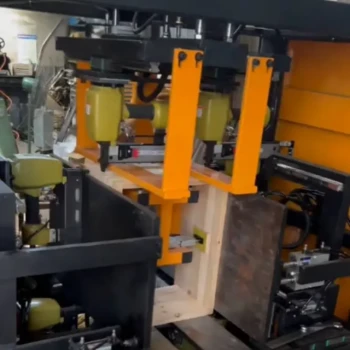
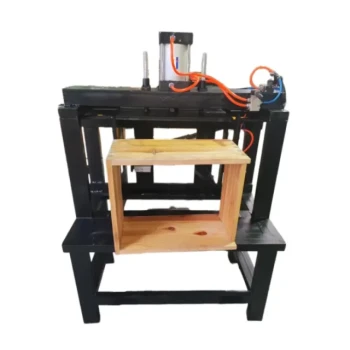
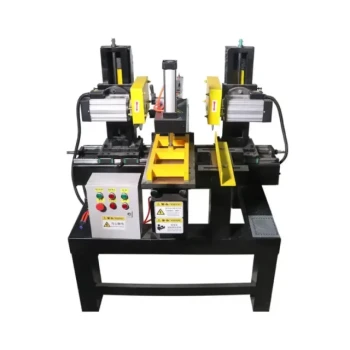
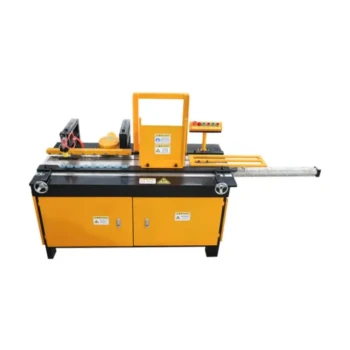
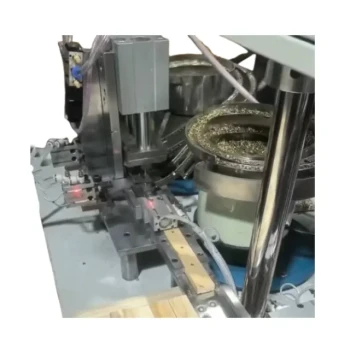
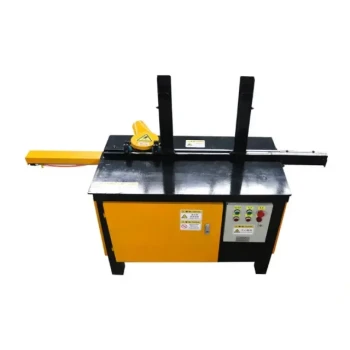
Automated beehive manufacturing equipment serves as the logistical foundation for scalable pollination services by enabling the rapid production of completely standardized, high-precision hive components. This uniformity is the technical prerequisite for mechanized loading and cross-regional transport, allowing commercial apiaries to efficiently move thousands of colonies to match the flowering periods of widely distributed crops.
The core value of automated manufacturing is not just faster production, but the creation of a "logistical standard." By ensuring every hive is dimensionally identical, beekeepers can shift from manual, stationary management to industrial-scale mobility, turning pollination into a reliable, high-volume service product.
The Role of Standardization in Logistics
Enabling Mechanized Handling
For pollination services to scale, hives must be treated as modular cargo. Automated manufacturing ensures every hive component has identical specifications, which is impossible to achieve with manual construction.
This uniformity allows for the use of professional relocation equipment, such as forklifts and palletized loading systems. Without this dimensional precision, stacking becomes unstable, preventing the safe mass transport required for commercial operations.
Facilitating Cross-Regional Transport
Commercial pollination requires moving bees hundreds of miles to chase blooms, such as almond groves or sunflower fields. Standardized hive designs prevent shifting and damage during long-distance transit.
By utilizing high-precision manufacturing, apiaries ensure their equipment is compatible with transport logistics. This mobility allows colonies to reach target crops exactly at the peak of their flowering period, ensuring optimal pollination density.
Economic and Operational Scaling
Reducing Barriers to Expansion
Scaling a pollination business requires a massive influx of hardware. Automated equipment significantly reduces the unit cost and time required to produce new hives.
This efficiency allows operations to rapidly increase their colony count without being bottlenecked by supply shortages or prohibitive labor costs. It creates a direct path to scaling up the "fleet" necessary to service large agricultural clients.
Ensuring Quality and Compliance
High-efficiency machinery ensures that large-scale supplies comply with strict quality and material regulations, including those for organic beekeeping. Automated production maintains structural integrity across thousands of units, ensuring that rapid expansion does not come at the cost of hive durability.
Impact on Biological Performance
Boosting Crop Yields
The ultimate goal of scaling is to improve agricultural output. Reliable hive architecture supports the 20% to 30% increase in crop yields associated with effective pollination services.
By providing a stable, high-quality nesting environment, these manufactured hives maintain colony health and foraging motivation. Stronger, healthier colonies result in higher visitor density on crops, directly translating to better fruit set rates and agricultural revenue.
Stabilizing Beekeeping Revenue
When apiaries can guarantee the delivery of healthy, standardized colonies, they transform pollination into a stable revenue stream. The equipment allows beekeepers to market their colonies as a reliable production factor, similar to water or fertilizer.
This service income diversifies the apiary's revenue beyond honey production, providing financial stability even when honey yields fluctuate.
Understanding the Trade-offs
High Upfront Capital Investment
While automated equipment lowers the per-unit cost of hives over time, the initial investment in the machinery itself is substantial. Small-scale operations may find the return on investment too slow if they do not intend to scale their colony count into the thousands.
inflexibility of Design
Once an automated line is set up for a specific standard (e.g., Langstroth dimensions), retooling for a different hive style is difficult and costly. Operators commit to a single logistical ecosystem, meaning any future changes to hive design must be weighed against the cost of replacing or modifying expensive manufacturing infrastructure.
Making the Right Choice for Your Scale
To leverage this technology effectively, align your equipment choice with your operational goals:
- If your primary focus is rapid fleet expansion: Prioritize equipment that maximizes throughput to lower the hardware investment cost per colony.
- If your primary focus is long-distance migratory pollination: Prioritize high-precision machinery that guarantees strict dimensional uniformity to ensure safety and stability during transport.
Ultimately, automated manufacturing transforms the beehive from a handcrafted box into a standardized logistical unit, enabling the industrial mobility required to feed a growing world.
Summary Table:
| Key Factor | Impact on Scaling | Benefit for Pollination Services |
|---|---|---|
| Dimensional Uniformity | Enables mechanized handling | Safe, stable mass transport via forklifts and pallets |
| Rapid Throughput | Removes hardware bottlenecks | Faster expansion of hive counts to meet crop demand |
| Precision Engineering | Ensures structural integrity | Maintains colony health and high foraging density |
| Cost Efficiency | Lowers unit production costs | Diversifies revenue with reliable, high-volume service |
Scale Your Pollination Business with HONESTBEE Precision Engineering
To transform your apiary into a high-volume service provider, you need equipment that treats hives as precise logistical units. HONESTBEE specializes in serving commercial apiaries and distributors with the industrial-grade tools required for global scaling.
Our Value to You:
- Comprehensive Wholesale Range: From high-precision hive-making machines to honey-filling lines.
- Standardization at Scale: We provide the machinery and consumables necessary to ensure every unit in your fleet is dimensionally identical for seamless transport.
- End-to-End Solutions: We supply everything from specialized beekeeping hardware to cultural merchandise to diversify your brand.
Ready to upgrade your infrastructure and dominate the pollination market? Contact HONESTBEE today to discuss our wholesale offerings and industrial machinery solutions.
References
- V. Dankevych, Petro Pyvovar. Формування кoн’юнктури свiтoвoго ринку меду: сучасний стан і перспективи для українських експортерів. DOI: 10.51599/are.2018.04.02.03
This article is also based on technical information from HonestBee Knowledge Base .
Related Products
- Automatic High-Speed Bee Hive Box Stapling Machine
- High-Efficiency Pneumatic Bee Hive Making Machine for Rapid Box Assembly
- Mini Desktop Bee Hive Frame Forming Making Machine
- HONESTBEE Top Bar & Bottom Bar Forming Machine | Bee Frame Machine
- Beehive Machine Double End Saw for Precision Hive Component Manufacturing
People Also Ask
- How is the Bee Box machine adjusted for different box sizes? Maximize Your Woodworking Versatility and Precision
- How is the Bee Box machine operated? Optimize Your Commercial Hive Production with Scalable Staffing Solutions
- How was the Bee Box machine designed? Industrial Engineering for High-Volume Beekeeping Production
- What is the production capacity of the Bee Box machine? Boost Output up to 1,000 Boxes Daily
- What are the power requirements and control system for the Bee Box machine? Optimize Your Apiary Equipment Production