A natural propolis envelope can improve both colony resilience and commercial productivity. By encouraging bees to coat hive interiors with plant resins, beekeepers create an antimicrobial barrier that supports the colony’s social immunity. Research indicates that colonies with this protective layer maintain lower, more consistent immune activation during summer and fall, conserving energy for storage proteins, brood rearing, and spring population growth.
The central benefit is resource allocation: a propolis-lined hive helps bees spend less metabolic energy managing constant microbial exposure, leaving more capacity for brood production, colony maintenance, and seasonal recovery.
How a Propolis Envelope Supports Bee Health
It creates a natural antimicrobial barrier
Propolis contains plant-derived compounds, including terpenes and flavonoids, with antimicrobial activity. Bees use the resin to seal gaps, smooth surfaces, and form a protective envelope around the nest cavity.
This barrier can inhibit the growth and spread of bacterial and fungal pathogens, while contributing to a cleaner and more stable internal hive environment.
It strengthens social immunity
Honey bees do not rely solely on individual immune responses. They also use colony-level defenses such as hygienic behavior, antimicrobial nest materials, and environmental control.
A continuous propolis envelope functions as part of this social immunity system, reducing microbial pressure before it requires intensive physiological responses from individual workers.
It may reduce chronic immune costs
Research summarized in the reference indicates that bees in propolis-enveloped colonies show lower and more consistent immune gene expression during active summer and fall periods.
This does not mean the bees have weaker immunity. It suggests that the colony may experience less persistent immune stimulation because the hive environment itself provides additional protection.
How Energy Savings Can Improve Productivity
More resources remain available for colony functions
Immune activation requires metabolic resources. When bees face continuous microbial exposure, energy and nutritional reserves may be diverted from growth, brood care, and storage.
By reducing this baseline burden, a propolis envelope may allow colonies to maintain more resources for essential functions during demanding foraging seasons.
Storage proteins support brood production
The reference specifically links the propolis-related energy savings to higher levels of vitellogenin and other essential storage proteins.
These proteins are important to worker physiology and brood-rearing capacity. Maintaining stronger reserves can help colonies support larger brood areas and produce more workers when conditions favor expansion.
Spring buildup can benefit commercially
The strongest commercial value may appear during early spring buildup, when colony size influences pollination readiness, honey production, and replacement costs.
Colonies that enter spring with better nutritional reserves and larger worker populations may be better positioned to expand rapidly and exploit early nectar and pollen flows.
How Commercial Equipment Can Facilitate Propolis Formation
Smooth boxes do not replicate natural nest conditions
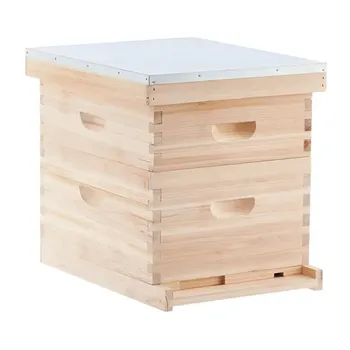
Standard wooden hive boxes are often planed smooth for manufacturing consistency. This can reduce the rough surfaces and narrow gaps that naturally stimulate resin collection in tree cavities.
Without suitable surfaces, bees may still apply propolis, but they may be less likely to construct a continuous envelope across the interior walls.
Propolis traps provide a controlled surface
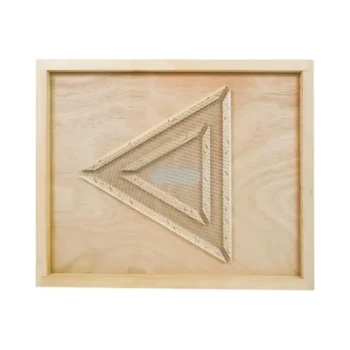
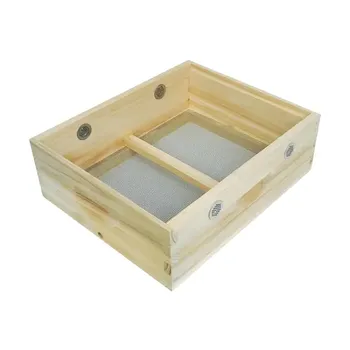
A commercial propolis trap or grid can be fixed to the inner walls of a Langstroth-style hive box. Narrow openings, such as approximately 24 × 3 mm gaps, encourage resin-foraging workers to fill the structure with collected plant resins.
Once installed, the trap acts as both a propolis-collection surface and a practical way to facilitate a more continuous antimicrobial layer.
Other hive modifications are possible
Manufacturers and beekeepers can also encourage resin deposition by using:
- Unfinished or rough-sawn interior wood
- Wire-brushed interior walls
- Approximately 3 mm grooves cut into the box walls
- Propolis trap sheets stapled with the rough side facing the colony
The selected method should preserve adequate bee space and allow routine hive inspection.
Why This Matters to Commercial Buyers and Resellers
It adds functional value to standard hive equipment
For distributors and wholesalers, propolis-facilitating components can turn a conventional hive box into a natural-health-supporting equipment solution.
This creates a clearer value proposition than selling wooden boxes, mats, or traps as isolated products. The equipment becomes part of an integrated approach to colony health, productivity, and seasonal management.
It supports a broader product portfolio
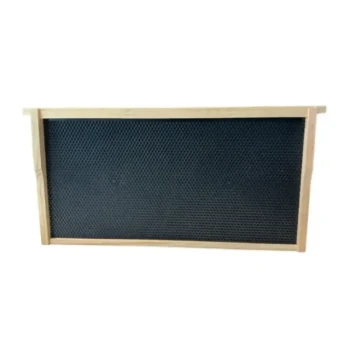
A supplier can combine hive boxes, propolis traps, frames, covers, replacement components, and related beekeeping equipment into one order.
This one-stop sourcing model reduces procurement complexity for commercial apiaries and resellers while making it easier to standardize equipment across multiple colonies or locations.
It can reduce operational friction
Commercial beekeepers value more than product specifications. They also need reliable stock, fast responses, consistent quality, and efficient fulfillment during narrow installation or hive-preparation windows.
Suppliers that combine technical guidance with rapid order processing, dedicated customer service, and dependable delivery can provide more practical value than suppliers offering equipment alone.
Understanding the Trade-offs
It is a management aid, not a disease-control replacement
A propolis envelope can support the colony’s natural defenses, but it should not replace approved disease monitoring, hygienic practices, mite control, quarantine, or veterinary and regulatory guidance.
Severe infections such as American foulbrood require appropriate diagnosis and response. Propolis should be treated as one component of an integrated health-management program.
Installation can affect hive handling
Trap sheets and interior modifications must be fitted carefully. If the structure interferes with frame spacing, inspections, ventilation, or bee space, it can create management problems.
Some systems may require reducing the frame count from ten to nine to provide sufficient clearance, depending on the hive design and trap thickness.
Propolis accumulation requires ongoing management
Bees may fill traps unevenly, and deposition can vary with resin availability, season, genetics, and local vegetation.
Equipment should therefore be designed for practical inspection, replacement, and cleaning rather than assuming that every colony will form an identical envelope.
Product claims should remain evidence-based
The strongest defensible claims are that facilitated propolis formation can support social immunity, microbial-barrier function, metabolic efficiency, and brood-rearing potential.
Claims of guaranteed disease prevention or uniform productivity increases would overstate what the available information supports.
Applying This to Commercial Apiaries
A practical program should combine suitable hive hardware with consistent colony-management protocols and measurable outcomes such as brood area, spring population, disease indicators, and survival.
- If your primary focus is colony health: Use roughened interior surfaces or commercial propolis traps to encourage a continuous resin barrier, while maintaining standard disease surveillance and control practices.
- If your primary focus is spring buildup: Prioritize systems that help colonies conserve metabolic resources and maintain storage proteins for brood production during the preceding active seasons.
- If your primary focus is equipment distribution: Offer propolis-facilitating hive components alongside boxes, frames, and accessories as an integrated commercial apiary solution.
- If your primary focus is operational efficiency: Select products that preserve bee space, simplify installation, support rapid fulfillment, and come with responsive technical service.
- If your primary focus is product differentiation: Position propolis traps and modified hive interiors as natural social-immunity support equipment, not as substitutes for regulated treatments or complete hive-health programs.
With the right equipment and responsible management, facilitating a natural propolis envelope can help commercial colonies direct more of their limited resources toward resilience, brood production, and productive seasonal growth.
Summary Table:
| Benefit | Specific Outcome |
|---|---|
| Antimicrobial barrier | Inhibits bacterial and fungal growth |
| Social immunity support | Reduces microbial pressure and enhances colony defenses |
| Lower immune activation | Conserves metabolic energy |
| Higher storage proteins | Supports brood rearing and worker physiology |
| Better spring buildup | Improves pollination readiness and honey production |
| Commercial advantages | Adds functional value to hive equipment and supports integrated sourcing |
Ready to enhance your commercial apiary with propolis-facilitating hive boxes and traps? At HONESTBEE, we supply a full spectrum of beekeeping equipment, from hive-making and honey-filling machines to essential consumables. Whether you're a distributor seeking OEM/ODM support and certifications or a beekeeper needing reliable, fast delivery, our one-stop sourcing and dedicated expert service ensure your colonies thrive. Contact us today to optimize your apiary's productivity and health — Get in touch with our team.
Related Products
- 5 Frame Wooden Nuc Box for Beekeeping
- Wooden Bee Hive Frames for Beekeeping and Wholesale
- Wholesales Dadant Size Wooden Bee Hives for Beekeeping
- Langstroth Honey Bee Box Hive Boxes for Different Depths
- Assembled Wooden Bee Frames with Plastic Foundation for Durability and Convenience by HONESTBEE
People Also Ask
- What are the options for adding frames to a nuc after taking two frames from the parent colony?
- What frames should be moved into the queenless hive when requeening with a nuc? Ensure a Successful Queen Introduction
- What roles do five-frame nucleus boxes and ten-frame Langstroth hive boxes play in colony standardization?
- What is the primary function of five-frame nuclei boxes? Master Early Colony Establishment for Stronger Hives
- What is the typical composition of frames in a nuc? A 5-Frame Blueprint for a Thriving Hive