Feeding sugar water serves as a critical biological catalyst, stimulating the colony to maintain its population density even when natural resources are unavailable. By artificially simulating a nectar flow, you ensure the queen continues to lay eggs and the workforce remains large enough to physically patrol and protect the entire honeycomb structure from opportunistic pests.
Core Takeaway Greater Wax Moths primarily target weak, starving colonies where the bee population has retracted, leaving comb unprotected. Supplemental sugar feeding prevents this contraction, ensuring every inch of honeycomb remains covered by active bees that serve as a living barrier against infestation.
The Mechanism: From Nutrition to Defense
Stimulating the Queen
In the absence of natural nectar, a queen bee will naturally reduce or stop egg-laying to conserve resources.
Feeding a sugar water solution mimics natural nectar flow, signaling to the queen that resources are sufficient.
This stimulation ensures continuous brood production, preventing the population crash that typically occurs during dry seasons.
Maintaining Comb Coverage
The primary defense against wax moths is physical occupation of the hive.
A strong, well-fed population is large enough to fully cover the honeycomb.
When bees densely populate the frames, female wax moths physically cannot access the wax to lay their eggs.
Active Pest Repulsion
Well-nourished colonies exhibit higher energy levels and more aggressive defensive behaviors.
A vital colony will vigorously repel adult wax moths attempting to enter the hive entrance.
Internally, strong worker populations actively locate and remove moth eggs and seal off larval tunnels before significant damage occurs.
The Impact on Colony Stability
Preventing Absconding
Starvation is a primary driver of colony absconding (the entire colony abandoning the hive).
By providing high-concentration sugar syrup or supplemental feed, you anchor the colony to the hive.
This stability prevents the hive from becoming an abandoned "ghost town," which is an immediate breeding ground for wax moths.
Preserving Long-Term Vitality
Nutritional deficiencies weaken individual bees, shortening their lifespan and reducing their ability to work.
Consistent feeding ensures the workforce remains robust and capable of foraging immediately when the next nectar season begins.
This proactive management preserves the colony’s scale, ensuring it does not have to rebuild from scratch after a dearth.
Common Pitfalls to Avoid
Inconsistent Feeding
Feeding must be regular and sustained throughout the entire dearth period.
Intermittent feeding may fail to convince the queen to maintain high egg-laying rates, leading to population gaps.
Neglecting Colony Hygiene
While feeding builds population, it does not replace the need for general hive maintenance.
Weak colonies that are already heavily infested may not be able to recover solely through feeding; the population must be healthy enough to consume the syrup.
Improper Equipment Usage
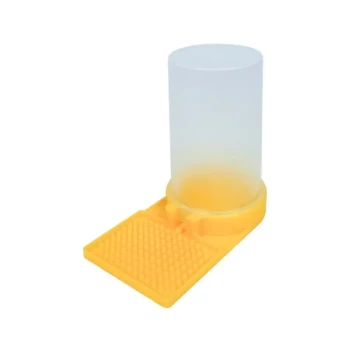
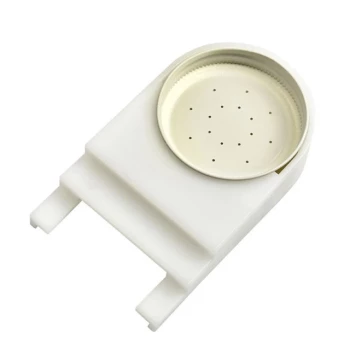
Using professional feeding equipment is essential to deliver the solution effectively without inciting robbing behavior from other pests.
Making the Right Choice for Your Goal
- If your primary focus is Pest Prevention: Maintain a specific ratio of sugar water continuously during the dearth to keep frame coverage at 100%.
- If your primary focus is Colony Survival: Prioritize high-concentration sugar syrup to prevent starvation and stop the queen from halting brood production.
Ultimately, a well-fed colony maintains the overwhelming numbers necessary to police its own territory, making it naturally immune to wax moth encroachment.
Summary Table:
| Mechanism | Action on Colony | Defense Benefit |
|---|---|---|
| Queen Stimulation | Sustains continuous egg-laying | Prevents population crashes during nectar dearth |
| Comb Coverage | High bee-to-frame ratio | Physical barrier prevents moths from laying eggs |
| Active Repulsion | Increased energy & aggression | Workers actively remove moth larvae and eggs |
| Hive Stability | Prevents colony absconding | Eliminates abandoned hives that attract pests |
Maximize Your Apiary Productivity with HONESTBEE
At HONESTBEE, we understand that maintaining a robust colony defense is essential for commercial success. We cater specifically to commercial apiaries and distributors, providing a comprehensive wholesale range of professional beekeeping tools and machinery.
Whether you need precision honey-filling machines to process your harvest, high-durability hive-making machinery, or essential industry consumables to support your colonies during nectar dearth, we offer the full spectrum of equipment to scale your operations.
Empower your business with world-class beekeeping technology—contact our expert team today to discuss your wholesale requirements.
References
- Alemayehu Gela, Deselegn Begna. Management Practices to Prevent Wax Moth, a Pest of Honeybees in Ethiopia. DOI: 10.20431/2349-0365.0507008
This article is also based on technical information from HonestBee Knowledge Base .
Related Products
- HONESTBEE Round Hive Top Bee Feeder for Syrup
- Heavy-Duty Candy Board with Galvanized Mesh for Beekeeping
- HONESTBEE Entrance Bee Feeder Efficient Hive Front Liquid Feeding Solution for Beekeeping
- HONESTBEE Entrance Bee Feeder Professional Hive Nutrition Solution for Beekeeping
- HONESTBEE Professional Entrance Bee Feeder Hive Nutrition Solution
People Also Ask
- What can the round hive top feeder be used for? A Guide to Efficient, Safe Bee Feeding
- What is the capacity of the round hive top feeder for syrup and pollen? A Guide to Targeted Apiary Support
- What types of hive boxes is the round hive top feeder compatible with? Universal Fit for 8 & 10-Frame Langstroth Hives
- What types of feed can be used with the round hive top feeder? Versatile Feeding for Optimal Apiary Health
- What are the different types of top feeders for bees? Choosing the Best Feeder for Your Apiary