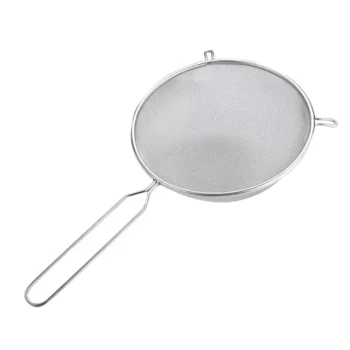
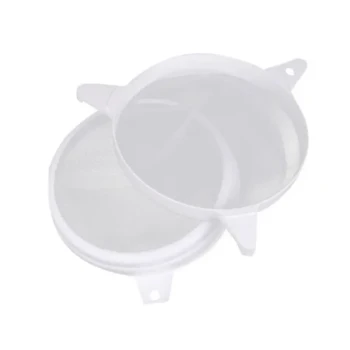
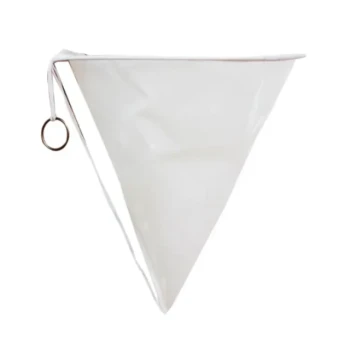
Fine-mesh filter cloth serves as the definitive purification stage in the processing of Apis mellifera honey. By utilizing a physical interception mechanism, it effectively strips raw honey of beeswax residue, bee body fragments, and other environmental impurities immediately following extraction.
Core Insight Raw honey straight from the extractor contains debris that compromises quality and aesthetics. The fine-mesh filter cloth is the critical control point that transforms raw harvest into a product characterized by clarity, transparency, and strict adherence to food purity standards.
The Mechanism of Filtration
Physical Interception
The primary contribution of fine-mesh cloth is physical interception. As honey flows through the fabric, the tight weave creates a barrier that liquid sugar can pass through, but solid contaminants cannot.
Removing Specific Contaminants
This process specifically targets the byproducts of the extraction phase. It effectively removes beeswax capping residue, fragments of bees, and other environmental debris that fall into the frames during hive management.
Ensuring Visual Clarity and Purity
This step is not merely about hygiene; it is a critical process node for product quality. Filtration ensures the final honey is transparent and clear, meeting the rigorous compliance requirements for food purity standards.
Integration into the Workflow
The Dual-Filtration System
For optimal efficiency, fine-mesh cloth is rarely used in isolation. It is typically part of a dual-filtration system employing both a coarse filter and a fine filter.
The Role of the Coarse Pre-Filter
A coarse filter is used first to strain out larger debris, such as significant wax chunks. This prevents the finer cloth from becoming clogged instantly, allowing the workflow to maintain momentum.
The Bottling Pail Setup
The filtration usually occurs at the bottling pail, typically a five-gallon bucket equipped with a honey gate and lid. The filter cloth is positioned here to catch impurities as honey is transferred from the extractor to the final storage vessel.
Understanding the Trade-offs
Flow Rate Limitations
While fine-mesh cloth ensures high purity, it significantly restricts flow rate. Cold or particularly viscous honey may pass through the cloth very slowly, potentially creating a bottleneck in your processing line.
Pollen and Micron-Level Filtration
It is important to note that fine filtration strains out particulate matter, which can include pollen particles. While this improves clarity and delays crystallization, some producers prefer coarser filtration to retain maximum pollen content for specific market preferences.
Making the Right Choice for Your Goal
To select the right filtration approach for your honey harvest, consider your end-product requirements:
- If your primary focus is Visual Clarity: Prioritize high-quality fine-mesh cloth to achieve maximum transparency and remove all visible suspended particles.
- If your primary focus is Processing Speed: Utilize a dual-filtration system (coarse then fine) to prevent premature clogging and maintain a steady flow of honey.
- If your primary focus is Market Compliance: Ensure your filter mesh is sufficient to remove insect fragments and wax to meet standard food purity regulations.
Fine-mesh filtration is the essential bridge that turns a raw agricultural harvest into a polished, professional, and compliant food product.
Summary Table:
| Feature | Purpose | Impact on Honey Quality |
|---|---|---|
| Physical Interception | Removes beeswax, bee fragments, and debris | Ensures transparency and food safety compliance |
| Dual-Filtration System | Combines coarse and fine filters | Prevents clogging and maintains high processing speed |
| Micron-Level Mesh | Filters fine particulates | Delays crystallization and creates a polished appearance |
| Flow Management | Controls movement through bottling pails | Balances purification with production efficiency |
Elevate Your Honey Production with HONESTBEE
To achieve market-leading clarity and purity for your Apis mellifera harvest, choosing the right equipment is essential. HONESTBEE specializes in supporting commercial apiaries and distributors with a comprehensive range of professional beekeeping tools and machinery. From high-efficiency fine-mesh filtration systems and bottling pails to honey-filling machines and hive-making hardware, we provide the full spectrum of equipment needed to scale your operations.
Maximize your productivity and product quality today. Contact us to explore our wholesale solutions and industry consumables and see how our expertise can streamline your commercial honey processing workflow.
References
- Iman Sulaiman. ANALISIS USAHA PERLEBAHAN TERHADAP PENDAPATAN KELUARGA TANI DESA SIPATUHU 1 BANDING AGUNG KABUPATEN OKU SELATAN. DOI: 10.53488/jba.v1i01.33
This article is also based on technical information from HonestBee Knowledge Base .
Related Products
- Nylon Honey Strainer Square Filter Cloth for Honey Filters
- Conical Nylon Honey Strainer Filter Bag for Beekeeping and Honey Filtration
- Professional Stainless Steel Honey Filter with Support Handle
- Stainless Steel Triangle Support Honey Strainer and Filters
- Two-Stage Plastic Honey Filter for Buckets
People Also Ask
- What is the significance of using professional filter cloths or sieves in honey processing? Ensure Purity and Quality
- What is the simple straining method for processing honey? A Cost-Effective Guide to Pure Extraction
- What cloth for straining honey? The Best Materials for Clean, High-Quality Honey
- What size mesh to strain honey? A Guide to the Standard Double-Sieve Method
- Why is specialized filter cloth preferred over the traditional squeezing method for wild honey? Achieve Higher Purity