The use of fine-pored filtration materials is the critical safeguard that ensures supplemental bee feeds derived from rice bran or corn meal are safe and consumable. This process physically separates coarse fibers, grain husks, and undissolved solids from the syrup, preventing both mechanical issues with feeding equipment and biological hazards within the hive.
Core Takeaway Filtration is not merely about texture; it is a fundamental hygiene requirement for bee health. By removing solid particulates, you ensure the feed flows freely through dispensers and prevent the dangerous accumulation and fermentation of residues inside the hive.
The Operational Mechanics of Filtration
Removing Physical Impurities
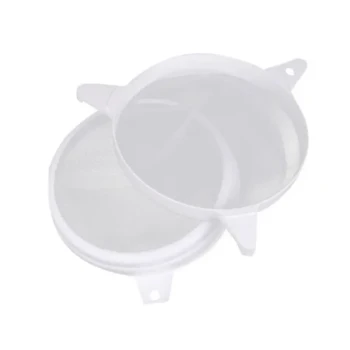
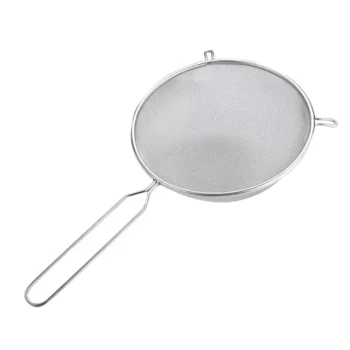
Raw ingredients like rice bran and corn meal contain significant amounts of undissolved solid particles. Fine-pored filtration or specialized filter nets are essential to capture these coarse fibers and grain husks, separating them from the liquid nutrient base.
Ensuring Product Fluidity
Bees require a liquid consistency to feed effectively. The removal of solid matter ensures the fluidity of the final product, transforming a thick slurry into a syrup that bees can ingest without difficulty.
Protecting Equipment and Hive Health
Preventing Feeder Clogs
The immediate practical benefit of filtration is the protection of your equipment. Unfiltered solids are the primary cause of blockages in feeding mechanisms; removing them prevents the clogging of feeders, ensuring a consistent and reliable food supply for the colony.
Avoiding Residue Accumulation
When solids are introduced into the hive, bees often cannot consume or remove them effectively. Proper filtration prevents the accumulation of solid residues within the hive, keeping the colony's living space clear of waste.
The Risks of Inadequate Processing
The Fermentation Trap
The most critical trade-off of poor filtration is the risk of spoilage. Solid residues that accumulate in the hive are prone to fermentation, which degrades the hygienic environment of the colony.
Hygiene Compromise
Allowing solids to ferment introduces bacteria and potential toxins into the hive. Filtration is the primary defense against this, ensuring the feed remains sterile and contributes to, rather than detracts from, a hygienic environment.
Ensuring Feed Quality and Safety
To maximize the health of your colony and the efficiency of your operation, prioritize the filtration step during feed preparation.
- If your primary focus is Equipment Reliability: Use specialized filter nets to eliminate coarse husks that invariably cause feeder clogs and disrupt supply.
- If your primary focus is Colony Health: Ensure the filter pores are fine enough to catch micro-solids to prevent residue buildup and subsequent fermentation within the hive.
A properly filtered feed is the baseline for a healthy, hygienic, and productive apiary.
Summary Table:
| Feature | Importance of Fine-Pored Filtration |
|---|---|
| Physical Purity | Removes coarse fibers, grain husks, and undissolved solids |
| Feed Fluidity | Transforms thick slurries into ingestible, free-flowing syrup |
| Equipment Protection | Prevents blockages and clogs in feeding mechanisms |
| Hive Hygiene | Eliminates solid residues that cause dangerous fermentation |
| Colony Safety | Maintains a sterile environment and prevents bacterial growth |
Maximize Your Apiary Productivity with HONESTBEE
At HONESTBEE, we understand that high-quality feed processing is the backbone of a successful beekeeping operation. As a dedicated partner to commercial apiaries and distributors, we offer a comprehensive wholesale range of specialized beekeeping tools, machinery, and consumables.
Whether you need precision filtration nets, high-efficiency honey-filling machines, or industrial-grade hive-making equipment, our portfolio is designed to enhance your operational reliability and colony health.
Ready to upgrade your equipment or stock up on essential supplies?
Contact HONESTBEE Today to discover how our wholesale solutions and industry expertise can bring superior value to your business.
References
- KR Neupane, RB Thapa. Alternative to Off-Season Sugar Supplement Feeding of Honeybees. DOI: 10.3126/jiaas.v26i0.615
This article is also based on technical information from HonestBee Knowledge Base .
Related Products
- Conical Nylon Honey Strainer Filter Bag for Beekeeping and Honey Filtration
- White Plastic 0.5L Beekeeping Entrance Feeder for Bees
- Stainless Steel Double Layer Honey Strainer Sieve Filters
- Nylon Honey Strainer Square Filter Cloth for Honey Filters
- Professional Stainless Steel Honey Filtering Machine with Water Bath Heating for Beekeeping
People Also Ask
- What is the primary function of specialized filtering bags in honey purification? Enhance Quality & Equipment Life
- What are the primary functions of using muslin cloth or stainless steel filters? Ensure Pure and Marketable Honey
- What are the benefits of using a honey strainer for beekeepers? Achieve Clean, High-Quality Honey Efficiently
- What is the primary function of a honey strainer in beekeeping? Achieve Commercial Purity & Visual Clarity
- What can I use to strain honey? A Beekeeper's Guide to Choosing the Right Filter