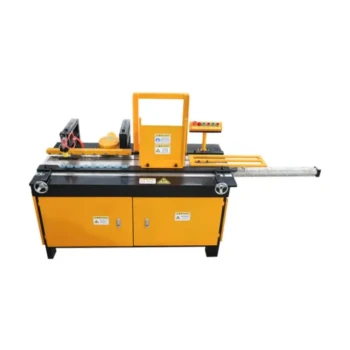
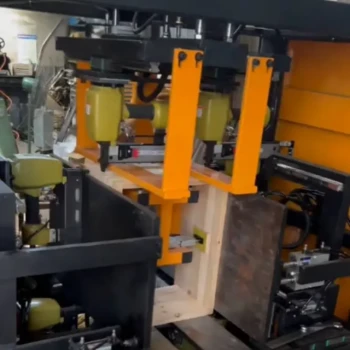
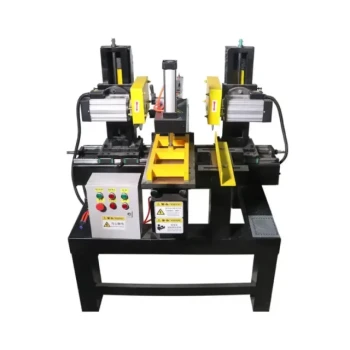
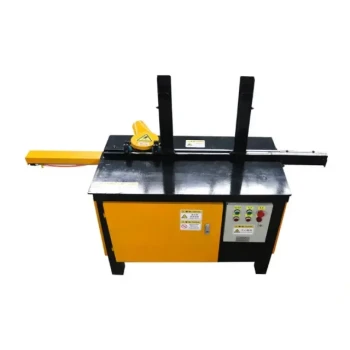
Hive-making machinery establishes operational stability by producing standardized, weather-resistant beehives specifically engineered to withstand the variable mountain climates found in chestnut forests. By ensuring high-quality construction, these machines create hives with stable internal temperature and humidity levels, which minimizes fluctuations in honey composition and guarantees consistent production conditions over years of sedentary harvesting.
The core value of this machinery lies in eliminating hardware variables that stress the colony. By transitioning to precision-manufactured hives, apiarists create a controlled environment that buffers bees against external weather volatility, serving as the foundational infrastructure for long-term, self-sufficient apiary management.
Environmental Control in Mountainous Terrain
Mitigating Climate Variables
Chestnut forests are often located in mountainous regions subject to rapid weather changes. Hives produced by specialized machinery offer superior sealing and structural integrity compared to traditional handmade options.
This precision ensures the internal hive environment maintains stable temperature and humidity levels despite external fluctuations. A stable microclimate is essential for colony survival and productivity in these specific forest ecosystems.
Ensuring Chemical Consistency
Variability in hive construction can lead to inconsistent environmental conditions for the bees, which may alter how they process nectar. Machine-made hives provide a uniform environment across the entire apiary.
This uniformity helps minimize fluctuations in honey composition caused by hardware differences. It ensures that the unique characteristics of chestnut honey remain consistent across multiple years of harvesting.
Operational Efficiency through Standardization
Preserving Critical "Bee Space"
Machinery enables the production of components with strict dimensional precision, maintaining the exact "bee space" required for colony health.
Without this precision, bees often build wild wax or apply excess propolis between frames to bridge gaps. Eliminating these irregularities ensures internal components remain mobile and prevents wasted bee energy.
Seamless Interchangeability
Standardized manufacturing guarantees that frames and boxes from different batches fit together perfectly.
This interchangeability reduces maintenance difficulties and lowers equipment replacement costs. In a sedentary operation, the ability to instantly swap components without customization is vital for maintaining workflow efficiency.
Economic Independence and Scalability
Achieving Self-Sufficiency
Investing in hive-making machinery allows operations to process local materials into finished hives, reducing dependence on external suppliers.
This supports a circular economy model where the apiary controls its own supply chain. It significantly reduces procurement costs and ensures equipment availability regardless of market shortages.
Facilitating Mechanized Management
The high precision of machine-made parts provides the necessary infrastructure for advanced management techniques.
Standardized dimensions allow for the introduction of mechanized honey harvesting and automated colony rotation. This creates a scalable foundation, allowing the operation to expand quickly in response to market demand without sacrificing quality.
Understanding the Trade-offs
Initial Capital vs. Long-Term Savings
While hive-making machinery reduces the per-unit cost of hives and labor over time, it requires a significant upfront capital investment.
Small-scale hobbyists may find the return on investment too slow compared to purchasing pre-made hives. This solution is optimized for commercial operations aiming for independence and scale.
Technical Maintenance Requirements
Owning production machinery shifts the operational burden from woodworking to machine maintenance.
Operators must possess or hire the technical skills to maintain high-efficiency cutting technologies. Failure to maintain the machinery results in a loss of the very precision that makes the investment valuable.
Making the Right Choice for Your Goal
To determine if integrating hive-making machinery is the right step for your chestnut forest operation, consider your primary objectives:
- If your primary focus is Colony Health and Quality: Prioritize machinery that guarantees superior weatherproofing and insulation to protect bees from mountain climate volatility.
- If your primary focus is Scalability and Efficiency: Focus on the machinery's ability to produce strictly standardized, interchangeable parts to support mechanized harvesting and rapid expansion.
True stability in beekeeping comes not just from the bees you raise, but from the precision of the environment you build for them.
Summary Table:
| Key Benefit | Impact on Sedentary Beekeeping | Operational Advantage |
|---|---|---|
| Climate Control | Superior sealing & insulation | Minimizes honey composition fluctuations |
| Precision Engineering | Maintains exact "bee space" | Prevents wild wax & improves colony health |
| Standardization | Seamless part interchangeability | Reduces maintenance costs & downtime |
| Economic Autonomy | Control over the supply chain | Reduces dependence on external suppliers |
| Scalability | Infrastructure for automation | Facilitates rapid expansion & mechanized harvest |
Elevate Your Apiary Infrastructure with HONESTBEE
Transitioning to professional hive-making machinery is the ultimate step toward operational independence and consistent honey quality. At HONESTBEE, we specialize in empowering commercial apiaries and distributors with high-precision equipment designed to withstand challenging environments like chestnut forests.
Our Value to Your Business:
- Comprehensive Wholesale Range: From specialized hive-making and honey-filling machines to a full spectrum of beekeeping tools.
- Engineered for Scale: Our machinery ensures every component meets strict dimensional standards for seamless, mechanized management.
- Global Distribution Support: We supply the essential consumables and hardware required to keep your operation self-sufficient and profitable.
Ready to eliminate hardware variables and secure your colony's future? Contact HONESTBEE today to discuss your equipment needs and discover how our wholesale solutions can scale your beekeeping enterprise.
References
- Eric Gehring, Marco Conedera. Impact of the Asian Chestnut Gall Wasp, Dryocosmus kuriphilus (Hymenoptera, Cynipidae), on the Chestnut Component of Honey in the Southern Swiss Alps. DOI: 10.1093/jee/tox338
This article is also based on technical information from HonestBee Knowledge Base .
Related Products
- High-Efficiency Pneumatic Bee Hive Making Machine for Rapid Box Assembly
- Beehive Handle and Frame Rest Cutting Machine: Your Specialized Hive Machine
- Mini Desktop Bee Hive Frame Forming Making Machine
- Automatic High-Speed Bee Hive Box Stapling Machine
- Beehive Machine Double End Saw for Precision Hive Component Manufacturing
People Also Ask
- How does the introduction of professional beehive-making machinery benefit sustainable beekeeping? Scale Your Apiary
- Why is specialized beehive-making machinery critical for low-defense breeding? Enhance Selection with Precision Tools
- How does the introduction of specialized beehive making machinery contribute to increasing the scale of regional beekeeping industries?
- What is the importance of specialized beehive making machinery in a circular bio-economy? Build Local Sustainability
- Why is specialized beehive-making machinery essential? Scale Your Apiary with Precision Industrial Standards