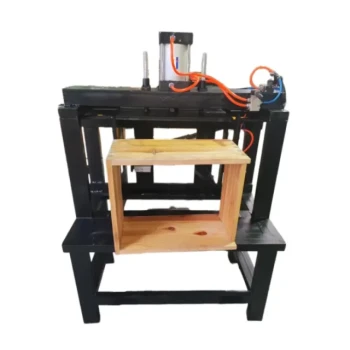
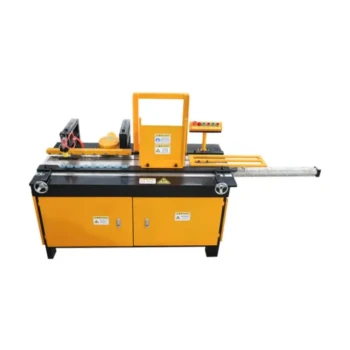
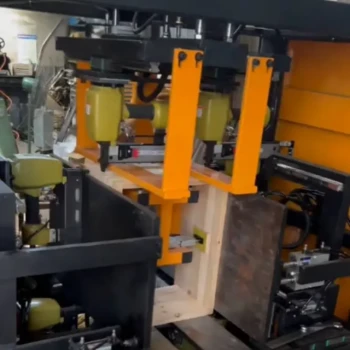
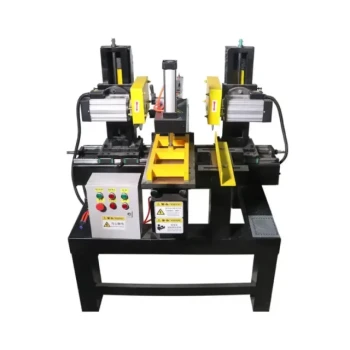
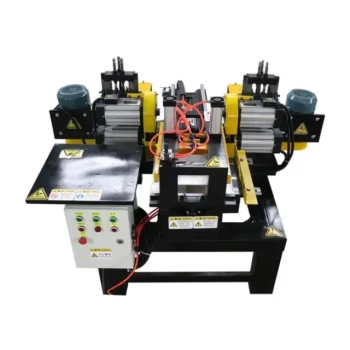
Hive-making machinery acts as the critical infrastructure that allows communities to transition from destructive resource extraction to regenerative agriculture. It supports sustainable beekeeping by enabling the rapid production of uniform, species-appropriate nesting boxes, specifically designed for species like stingless bees. By providing the necessary hardware for managed cultivation, this technology eliminates the need to harvest wild hives, thereby protecting local forests and securing a long-term economic future for rural producers.
By providing a standardized alternative to natural timber habitats, hive-making machinery breaks the cycle of deforestation associated with wild honey hunting, balancing ecological conservation with the requirements of modern, industrial-scale apiculture.
From Extraction to Stewardship
Mitigating Deforestation
The most immediate impact of this technology is the preservation of natural habitats. In many traditional contexts, harvesting honey involves felling natural timber to access wild hives. Hive-making machinery removes this pressure by manufacturing artificial nesting boxes that replace the need to cut down trees.
Enabling Regulated Management
This equipment facilitates a shift from opportunistic hunting to regulated beekeeping management. Instead of relying on the unpredictable availability of wild colonies, communities can cultivate bees in controlled environments. This stability allows for long-term planning and reduces the intense strain on local wild bee populations.
The Role of Standardization in Sustainability
Precision and Interchangeability
Industrial-grade machinery produces components with high precision, solving common issues found in handmade hives such as poor sealing and inconsistent dimensions. Standardized parts ensure frames are interchangeable, which simplifies maintenance and reduces material waste over time.
Optimizing Colony Health
Machine-made hives offer a scientifically managed breeding environment that is species-appropriate. For delicate species like stingless bees, uniform construction ensures better protection against environmental stressors. This leads to healthier colonies and higher survival rates compared to makeshift or irregular traditional hives.
Understanding the Trade-offs
High Initial Barrier to Entry
While the long-term sustainability benefits are clear, adopting this technology requires significant upfront capital. Communities transitioning from subsistence farming may struggle to afford industrial-grade processing and collection equipment without external support or cooperative models.
Loss of Traditional Nuance
The shift toward industrial standardization prioritizes efficiency and uniformity over traditional, localized construction methods. While this improves scalability and marketability, it risks eroding specific regional apiculture skills that were adapted to micro-climates, replacing them with a "one-size-fits-all" industrial approach.
Economic Sustainability and Community Growth
Market-Ready Production
Sustainability is also economic; communities need a viable income to maintain conservation efforts. Machinery transforms traditional skills into industrial advantages, allowing for the production of high-quality honey that meets strict market standards.
Scalability and Asset Expansion
Automated machinery enables the mass production of hive components, significantly reducing the acquisition cost per unit. This allows beekeepers to rapidly expand their assets and scale their operations from subsistence levels to competitive participation in the ecological honey market.
Making the Right Choice for Your Goal
To maximize the impact of hive-making machinery, consider your specific objectives:
- If your primary focus is Habitat Conservation: Prioritize machinery that produces species-specific boxes for native pollinators (like stingless bees) to immediately reduce reliance on wild timber felling.
- If your primary focus is Economic Development: Focus on equipment that ensures strict standardization and interchangeability, as this is the foundation for migratory beekeeping, mechanized extraction, and export-grade quality control.
Success lies in using this technology not just to build boxes, but to build a standardized ecosystem where nature and commerce can thrive together.
Summary Table:
| Impact Category | Benefit of Machinery | Conservation Outcome |
|---|---|---|
| Habitat Protection | Artificial nesting box production | Eliminates felling of wild timber for honey |
| Colony Health | Species-specific, precision-engineered hives | Higher survival rates for native pollinators |
| Operational Scale | Standardized, interchangeable components | Enables transition to industrial-scale apiculture |
| Economic Growth | Mass production of market-ready assets | Reduced cost per unit and increased exports |
Scale Your Impact with HONESTBEE’s Advanced Solutions
At HONESTBEE, we understand that sustainable beekeeping requires the right balance of ecological stewardship and industrial efficiency. We cater to commercial apiaries and global distributors by providing a comprehensive wholesale offering of professional-grade equipment.
Whether you are looking for hive-making machinery to protect local habitats or honey-filling machines to elevate your production line, our portfolio covers every facet of the industry—from specialized hardware to essential consumables and honey-themed merchandise.
Ready to transform your apiculture operation? Contact us today to discuss your wholesale needs and see how we can bring precision and scale to your business.
References
- Alejandro Reyes-González, Ek del‐Val. Stingless bees (Apidae: Meliponini) at risk in western Mexico. DOI: 10.1111/btp.13100
This article is also based on technical information from HonestBee Knowledge Base .
Related Products
- High-Efficiency Pneumatic Bee Hive Making Machine for Rapid Box Assembly
- Beehive Handle and Frame Rest Cutting Machine: Your Specialized Hive Machine
- Mini Desktop Bee Hive Frame Forming Making Machine
- Automatic High-Speed Bee Hive Box Stapling Machine
- Beehive Machine Double End Saw for Precision Hive Component Manufacturing
People Also Ask
- How does the introduction of professional beehive-making machinery benefit sustainable beekeeping? Scale Your Apiary
- Why is specialized beehive-making machinery critical for low-defense breeding? Enhance Selection with Precision Tools
- How does the introduction of specialized beehive making machinery contribute to increasing the scale of regional beekeeping industries?
- What is the importance of specialized beehive making machinery in a circular bio-economy? Build Local Sustainability
- Why is specialized beehive-making machinery essential? Scale Your Apiary with Precision Industrial Standards