Hive ventilation and environmental control equipment help prevent chalkbrood by stabilizing the brood-nest microclimate. Screened bottom boards, ventilated covers, humidity-control features, insulation, and correctly sized hive components reduce excess moisture and carbon dioxide while limiting sudden temperature drops. By reducing the environmental stress that allows Ascosphaera apis spores to germinate, these systems lower chalkbrood risk without relying on chemical treatment.
The objective is not maximum airflow; it is balanced airflow. Commercial hives need enough ventilation to remove moisture and CO₂ while retaining sufficient heat for developing brood.
Why Chalkbrood Develops in Unstable Hives
Moisture Creates Favorable Fungal Conditions
Chalkbrood is caused by the fungus Ascosphaera apis. Larvae become infected after ingesting spores, which can develop into hard, white or gray “chalk-like” mummies.
Damp conditions increase the likelihood that spores will germinate. Poor drainage, condensation, rain penetration, and inadequate air exchange can all raise moisture levels inside the brood chamber.
Temperature Fluctuations Stress the Brood Nest
Nurse bees must maintain a relatively stable temperature around developing brood. Sudden cooling forces them to concentrate their efforts on temperature regulation rather than brood care and hygienic removal.
This problem is especially relevant during cold weather, weak-colony periods, wintering, and after colony splits. Undersized colonies in oversized equipment may struggle to heat the available brood space.
Elevated CO₂ Indicates Insufficient Air Exchange
A hive with inadequate airflow can accumulate carbon dioxide and humid air. These conditions increase environmental stress and make it more difficult for nurse bees to maintain a stable brood-nest climate.
Ventilation equipment helps remove stale, moisture-laden air while allowing the colony’s natural airflow patterns to function more effectively.
How Ventilation Equipment Reduces Chalkbrood Risk
Screened Bottom Boards Improve Air Exchange
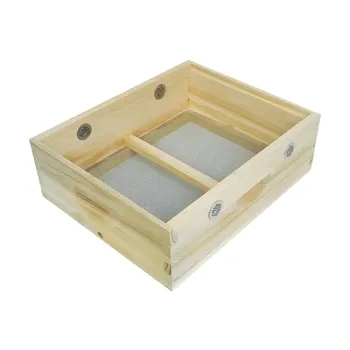
A screened bottom board provides an opening for air movement beneath the brood chamber. It can help reduce moisture accumulation and improve the removal of humid air from the hive.
The design must be appropriate for the climate and colony strength. Excessive exposure or poorly configured openings can contribute to drafts or heat loss, particularly in cold conditions.
Ventilated Covers Release Moisture
Ventilated inner covers and upper hive openings allow warm, humid air to escape. This is important because condensation can form when moist interior air meets cold hive surfaces.
Well-designed covers should support ventilation without allowing rain to enter. Weather protection and air exchange must work together.
Hive Components Must Work as a System
Ventilation is most effective when the bottom board, hive cover, boxes, frames, and seals are designed to function together. Gaps that admit water are not the same as controlled ventilation.
For commercial apiaries, consistent woodenware dimensions and reliable component fit make it easier to reproduce the same environmental setup across many colonies.
How Environmental Control Equipment Supports Stability
Insulation Limits Sudden Cooling
Insulation helps the colony retain heat and reduces the impact of abrupt external temperature changes. This is particularly useful during wintering, cold nights, and periods when colonies are smaller than normal.
Insulation should complement—not replace—ventilation. A well-insulated hive can still accumulate moisture if humid air has no controlled escape route.
Correct Hive Sizing Protects Brood Temperature
Hive volume should match colony population and seasonal strength. Excess space can be difficult for a small colony to heat, while overcrowding can restrict airflow and increase congestion.
Commercial operators should review hive configuration after splits, queen changes, and seasonal population shifts rather than using one fixed setup year-round.
Humidity Monitoring Makes Problems Visible
Humidity-monitoring equipment can help identify condensation risks before chalkbrood becomes widespread. Tracking internal conditions allows managers to compare hive designs, locations, insulation practices, and seasonal configurations.
Monitoring is most valuable when paired with an operational response, such as adjusting ventilation, correcting water entry, or reducing unused hive volume.
Hive Placement Contributes to Dryness
Elevated stands help protect hives from ground moisture and improve airflow beneath the equipment. Sunny, exposed locations can also help hives dry after rain and warm more quickly during cool periods.
However, site selection should still provide appropriate protection from extreme wind and weather. The goal is a dry, stable apiary environment—not unrestricted exposure.
Environmental Control Works Best With Colony Management
Strong Colonies Regulate Their Own Microclimate Better
A populous colony has more worker bees available to heat brood, ventilate the hive, and remove infected larvae. Equipment can support these behaviors, but it cannot compensate fully for a severely weakened colony.
Commercial apiaries should therefore evaluate ventilation alongside colony strength, queen performance, nutrition, and seasonal management.
Hygienic Stock Helps Break the Infection Cycle
Worker bees with strong hygienic behavior can identify and remove infected larvae before chalkbrood mummies mature and release more spores.
Combining hygienic bee stock with stable hive conditions provides stronger protection than relying on hardware alone.
Comb and Equipment Hygiene Matter
Fungal spores may persist on contaminated comb and equipment. Regular brood-comb replacement reduces the buildup of residual spores in old wax, while severely infected frames should be removed and destroyed according to applicable apiary biosecurity procedures.
Reusable hive components and tools should be easy to inspect, clean, and sanitize. Ventilation reduces favorable growth conditions, but sanitation limits the pathogen source.
Understanding the Trade-offs
Too Much Ventilation Can Chill Brood
More airflow is not automatically better. Large openings, exposed entrances, or poorly insulated equipment can create drafts and make it harder for nurse bees to maintain brood temperature.
Ventilation should be adjusted for colony strength, season, and local weather conditions.
Poor Sealing Can Admit Water
Uncontrolled gaps around covers, boxes, or joints may allow rain to enter. This adds moisture even if the hive technically has substantial airflow.
Precision-made components with consistent dimensions and tight, weather-resistant fits help separate purposeful ventilation from accidental water penetration.
Hardware Cannot Cure an Established Outbreak
Ventilation and environmental controls reduce stress and interrupt conditions favorable to fungal growth. They do not eliminate infected larvae or replace the removal of heavily contaminated comb.
When chalkbrood is present, environmental correction should be combined with inspection, comb management, sanitation, and measures that support strong hygienic colonies.
Standardization Requires Climate-Specific Decisions
A ventilation design that performs well in a cool, humid region may not be appropriate in a hot, dry, or windy location. Commercial operators should avoid treating a single equipment configuration as universally optimal.
Suppliers and apiary managers should match screens, covers, insulation, monitoring devices, and replacement components to the operating climate and production system.
How Distributors Can Support Commercial Apiaries
Offer a Complete Environmental-Control Portfolio
A practical supply program may include screened bottom boards, ventilated covers, insulated components, hive stands, humidity monitors, replacement frames, and easy-to-clean hive tools.
Providing compatible components from one source reduces configuration errors and simplifies procurement across large apiary networks.
Prioritize Consistent Quality and Fast Fulfillment
Commercial beekeepers often need replacement equipment quickly after weather damage, disease findings, or seasonal expansion. Reliable dimensions, responsive technical support, and efficient order fulfillment are therefore operational advantages—not just purchasing conveniences.
Distributors with broad inventory and professional product knowledge can help customers select a balanced system rather than selling isolated components.
Making the Right Choice for Your Goal
Select equipment and management practices according to the operational outcome you need:
- If your primary focus is reducing internal moisture: Prioritize screened bottom boards, ventilated covers, weather-resistant hive construction, elevated stands, and humidity monitoring.
- If your primary focus is protecting brood during cold periods: Combine controlled ventilation with appropriate insulation, colony-specific hive sizing, and protection from drafts.
- If your primary focus is managing large commercial apiaries: Standardize compatible hive components, establish inspection and comb-replacement schedules, and maintain dependable access to replacement equipment.
- If your primary focus is limiting recurring outbreaks: Pair environmental control with strong hygienic stock, infected-comb removal, sanitation, and routine monitoring.
Stable, dry, well-ventilated hives give colonies the environmental support they need to resist chalkbrood and maintain productive brood-rearing conditions.
Summary Table:
| Equipment | Key Function | Impact on Chalkbrood Prevention |
|---|---|---|
| Screened bottom boards | Improve air exchange beneath brood chamber | Reduces excess moisture and CO2, discouraging fungal growth |
| Ventilated covers | Release warm, humid air | Prevents condensation, lessens damp conditions |
| Insulated components | Stabilize brood-nest temperature | Minimizes cold stress, lowering susceptibility |
| Properly sized hive boxes | Match hive volume to colony strength | Avoids undue heating demands, reducing stress |
| Humidity monitors | Track internal moisture levels | Identifies risk, allows targeted adjustments |
| Hive stands | Elevate hives above ground moisture | Enhances airflow and dryness around the hive |
Protect your apiary from chalkbrood with HONESTBEE’s complete line of hive ventilation and environmental control equipment. We supply screened bottom boards, insulated covers, humidity monitors, and precision-made hive components designed for reliable performance. Our wholesale solutions support commercial beekeepers and distributors with fast fulfillment, expert guidance, and a full spectrum of beekeeping supplies. Contact us today to build a stable, healthy environment for your bees—get in touch with our team!
Related Products
- Stainless Steel Round Beehive Air Vents for Ventilation
- Steel Round Disc Entrance Reducer for Flexzion Bee Hive Nuc Box Gate
- Professional Reversible Beehive Hive Entrance
- Professional Beekeeping Quilt Box with Multi Vent Moisture Control
- Australian Pine Wood Langstroth Screen Bottom Board for Wholesale
People Also Ask
- How does ventilation affect colony health, and how should it be managed seasonally? A Guide to Preventing Moisture & Overheating
- Why is proper ventilation important in a beehive? Prevent Mold, Regulate Temperature, and Boost Colony Health
- How can a beekeeper provide proper ventilation for a beehive throughout the year? Seasonal Strategies for Bee Health
- How can ventilation be added to a beehive without using an inner cover? Simple, Effective Solutions for Healthy Hives
- Why is good ventilation crucial when transporting beehives? Protect Your Colony from Lethal Overheating