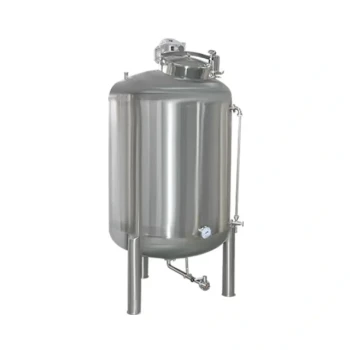
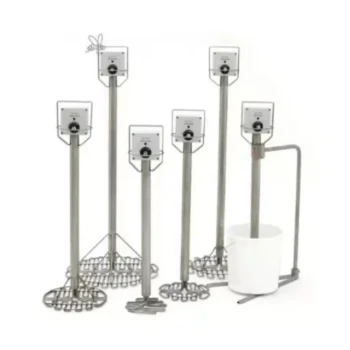
Industrial-grade honey processing and storage hardware maintains product value primarily by establishing standardized physical filtration systems and strictly controlled airtight environments. These mechanisms remove physical impurities and prevent moisture absorption, which are the two leading causes of spoilage and sensory degradation in post-harvest honey. By stabilizing the product’s physicochemical indexes, this hardware ensures the honey is safe for large-scale packaging and long-distance transport.
Core Takeaway: Industrial processing is not just about speed; it is about stabilization. By mechanically isolating the honey from moisture, debris, and human contact, these systems transform a raw, volatile agricultural product into a stable commercial commodity that meets rigorous safety and market standards.
Elevating Commercial Purity
The Impact of Standardized Filtration
Raw honey often contains undesirable byproducts such as wax debris, larval remains, and other micro-impurities. Industrial filtration equipment removes these elements systematically to improve the honey's sensory quality and visual clarity.
This mechanical purification is essential for achieving a higher market premium. By ensuring the final product is free of physical contaminants, the hardware aligns the honey with modern food safety specifications required for commercial sale.
Preventing Material Migration
Using food-grade stainless steel in extraction and filling equipment is a critical preventative measure. This material choice prevents external metal impurities and heavy metals from migrating into the honey during the vigorous processing stages.
These systems operate as precision closed-loops, maintaining the original purity of the harvest. This ensures that heavy metal levels remain strictly below legal safety limits from the moment of extraction to the final seal.
Protecting Biological Integrity
Controlling Moisture and Fermentation
The primary enemy of honey stability is moisture, which leads to fermentation and spoilage. Industrial storage hardware provides airtight environments that effectively block the absorption of ambient moisture.
By maintaining a hermetic seal, the equipment preserves the honey's physicochemical stability. This allows producers to store inventory for longer periods without the risk of the product degrading or souring before it reaches the consumer.
Preserving Nutritional Components
Advanced filling machines are designed to operate without compromising the honey's natural profile. Through precise flow control and sanitary pumping, the machinery preserves the honey's natural flavor and antioxidant activity.
Unlike aggressive manual methods that might introduce oxygen or contaminants, these automated systems maintain the nutritional integrity of the product. This results in a packaged good that retains its bioactive value despite industrial-scale handling.
The Role of Automation in Safety
Minimizing Human Contact
Human interaction is a significant vector for bacterial and foreign object contamination. Automated filling and packaging lines utilize fully enclosed production workflows to drastically minimize human contact with the product.
This "no-touch" approach reduces the risk of introducing pathogens or physical hazards like glass shards or industrial debris. It ensures the final packaged honey meets the highest sterile conditions necessary for export and mass distribution.
Precision Dosage and Sealing
Professional equipment utilizes accurate dosage controls to handle honey of varying viscosities. This ensures consistency across thousands of units, which is vital for brand reliability.
Furthermore, the machinery applies hermetic sealing immediately after filling. This locks in the quality and protects the honey from environmental contaminants during its journey through the supply chain.
Understanding the Trade-offs
While industrial hardware offers immense benefits for consistency and safety, it imposes strict operational rigidities.
- Reliance on Standardization: These machines require "standardized workflows" to function correctly. This means producers must adapt their processes to the machine's requirements, potentially reducing flexibility in handling very small, unique batches that deviate from the norm.
- Maintenance of Complexity: The benefits of a "closed-loop system" are lost if the loop is breached. The complexity of these systems means that cleaning and maintenance protocols must be executed with absolute precision; otherwise, the risk of systemic contamination (affecting the entire batch) increases compared to isolated manual jars.
Making the Right Choice for Your Goal
To maximize the value of your honey harvest, select hardware that aligns with your specific market objectives.
- If your primary focus is Shelf Life and Stability: Prioritize airtight storage hardware and hermetic sealing machinery to absolutely prevent moisture absorption and subsequent fermentation.
- If your primary focus is Market Premium and Export: Invest in high-grade stainless steel filtration systems that remove micro-impurities and guarantee heavy metal compliance for international standards.
- If your primary focus is Volume and Consistency: Implement automated filling lines with precise flow control to minimize human contact and ensure uniform dosage across varying honey viscosities.
Industrial hardware converts the inherent value of raw honey into a secure, scalable, and compliant commercial asset.
Summary Table:
| Feature | Value Maintenance Mechanism | Primary Benefit |
|---|---|---|
| Standardized Filtration | Removes wax, larvae, and micro-impurities | Enhances clarity and achieves premium market pricing |
| Airtight Storage | Prevents ambient moisture absorption | Stops fermentation and extends shelf life |
| Stainless Steel Hardware | Eliminates material migration risks | Guarantees food safety and heavy metal compliance |
| Automated Filling | Minimizes human contact and ensures precise dosing | Reduces contamination risk and ensures brand consistency |
Elevate Your Apiary’s Commercial Potential with HONESTBEE
Transitioning from raw harvest to a stable, export-ready commodity requires the right industrial precision. HONESTBEE specializes in supporting commercial apiaries and distributors with a full spectrum of professional beekeeping solutions.
From advanced honey-filling machines and specialized hive-making hardware to essential industry consumables, we provide the tools needed to maintain biological integrity and maximize product value. Partner with us to streamline your production, ensure rigorous safety compliance, and scale your business with confidence.
Ready to optimize your honey processing? Contact HONESTBEE Today
References
- Ahmed Mohamed Essayah, Olusola Bamisile. Community Perception on Honeybee and Beekeeping Practices and Constraints in Tripoli. DOI: 10.17485/ijst/2019/v12i12/142482
This article is also based on technical information from HonestBee Knowledge Base .
Related Products
- Heavy Duty Stainless Steel Honey Processing Machine Decrystallizing Tank
- Professional Honey Storage Tank with Agitation System
- Stainless Steel Honey Storage and Settling Tank with Double Strainer
- Stainless Steel Honey Storage Tank with Lid for Honey
- High Quality Honey Dehumidifier Dryer Thickening Machine for Beekeeping
People Also Ask
- What are the features of the processing tanks offered? Engineered for Purity and Efficiency
- What types of stainless steel processing tanks are used for honey? Essential Equipment for Quality Honey Production
- What design options are available for honey processing tanks? Optimize Efficiency with Custom Geometries
- What types of stainless steel are used for honey processing? Ensure Food Safety with 304 & 316 Grade Equipment
- Why is industrial-grade stainless steel processing equipment required for honey harvesting? Ensure Purity & Compliance