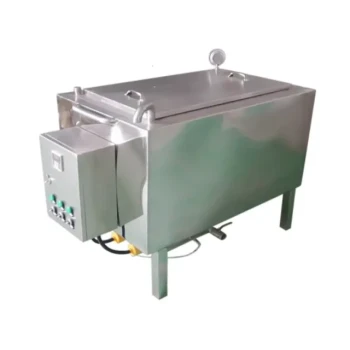
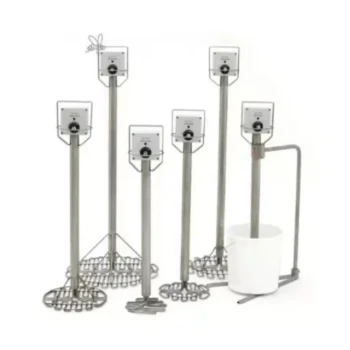
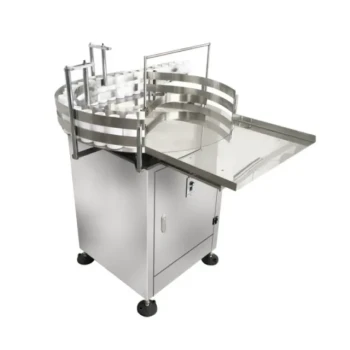
Industrial pasteurization equipment balances safety with nutritional integrity. It utilizes precisely controlled thermal processing—specifically Low-Temperature Long-Time (LTLT) or High-Temperature Short-Time (HTST) methods—to eliminate harmful pathogens and spoilage organisms in beverages containing bee products. This technology secures the biological stability of the liquid without destroying the delicate enzymatic structures and active ingredients inherent to honey, pollen, and royal jelly.
By strictly regulating temperature and exposure time, industrial pasteurizers solve the central conflict of processing natural ingredients: ensuring microbial safety and extending shelf life while preserving the sensitive bioactive compounds, such as 10-HDA, that give bee products their premium value.
The Challenge of Processing Bioactive Ingredients
Eliminating Spoilage Risks
Beverages mixed with organic bee products are susceptible to microbial growth and fermentation. Industrial pasteurization targets and eliminates these specific pathogens and spoilage microbes to ensure the beverage is safe for consumption. This process effectively "locks in" the safety of the product before it reaches the consumer.
Protecting Enzymatic Complexity
Bee products like honey and pollen are valued for their rich, complex enzyme content. Standard thermal processing can denature these enzymes, rendering the product nutritionally "dead." Specialized equipment uses controlled heating profiles to navigate this narrow window of safety versus degradation.
Mechanisms of Nutrient Preservation
Precision Thermal Control
The equipment employs LTLT or HTST protocols to apply heat only as long as necessary. This precision minimizes the "heat load" placed on the ingredients. It ensures that the core temperature required for sterilization is reached without exceeding the threshold where nutrients break down.
Preserving Royal Jelly Markers
Royal jelly contains highly sensitive active ingredients, most notably 10-Hydroxy-2-decenoic acid (10-HDA). 10-HDA is a primary indicator of quality and biological activity in royal jelly products. Industrial pasteurizers significantly reduce thermal damage to this specific compound, maintaining the product's premium status.
Extending Commercial Shelf Life
By neutralizing biological contaminants, the equipment stabilizes the beverage for distribution. This allows for a longer shelf life without the need for aggressive chemical preservatives. It creates a product that is both commercially viable and nutritionally robust.
Understanding the Trade-offs
The Limits of Thermal Processing
While modern equipment minimizes damage, no thermal process is entirely without impact. There is always a slight trade-off between the absolute maximum retention of raw enzymes and the absolute guarantee of sterility. Operators must calibrate the equipment precisely to favor the specific characteristic—safety or raw potency—most important to their brand.
Complexity of Calibration
Different bee products have different thermal thresholds; royal jelly is more sensitive than honey. The equipment requires knowledgeable configuration to switch between different beverage formulations. Incorrect settings can either fail to sterilize the product or inadvertently degrade the 10-HDA content.
Making the Right Choice for Your Goal
To maximize the effectiveness of industrial pasteurization in your production line, consider your primary objective:
- If your primary focus is Mass Market Safety: Prioritize High-Temperature Short-Time (HTST) settings to maximize throughput and ensure absolute microbial elimination for extended logistics chains.
- If your primary focus is Premium Bioactivity: Utilize Low-Temperature Long-Time (LTLT) protocols to minimize thermal stress and maximize the retention of 10-HDA and enzymatic activity.
Success lies in utilizing the equipment's precision to maintain the delicate bioactivity that defines high-quality bee products.
Summary Table:
| Feature | LTLT (Low-Temp Long-Time) | HTST (High-Temp Short-Time) |
|---|---|---|
| Primary Goal | Premium Bioactivity Retention | Mass Market Safety & Speed |
| Impact on 10-HDA | Minimal - Preserves Quality | Moderate - Focuses on Sterility |
| Enzyme Protection | High - Protects Structures | Lower - Potential Denaturation |
| Shelf Life | Standard Commercial Stability | Maximum Extended Stability |
| Best Use Case | Artisanal/Premium Royal Jelly Drinks | Large-scale Honey Beverage Distribution |
Elevate Your Bee Product Production with HONESTBEE
At HONESTBEE, we understand the delicate balance required to process high-value ingredients like honey, pollen, and royal jelly. As a dedicated partner to commercial apiaries and distributors, we provide more than just machinery; we offer a comprehensive wholesale solution for your entire production line.
Whether you need precision honey-filling machines, specialized hive-making equipment, or industrial-grade tools and consumables, our portfolio is designed to maintain the nutritional integrity of your products while maximizing efficiency.
Ready to scale your beverage or beekeeping business with premium hardware and expert support?
Contact HONESTBEE Today to Discuss Your Wholesale Needs
References
- Gabriela Vlăsceanu, Andrei APETREI. STUDIES ON THE NUTRACEUTIC PROPERTIES OF SOME NATURAL BIO STIMULATING JUICES OBTAINED FROM INDIGENOUS PLANTS AND BEE PRODUCTS. DOI: 10.17930/agl2023228
This article is also based on technical information from HonestBee Knowledge Base .
Related Products
- Electric Double Wall Honey Filtering Machine Purifier Equipment for Honey Processing Plant
- Heavy Duty Stainless Steel Honey Processing Machine Decrystallizing Tank
- Electric Honey Press Machine for Squeezing Honey Comb Press Equipment
- Electric Commercial Beeswax Melter for Factory Use
- Double Wall Honey Heating Stirring Homogenizer Mixing Machine with Various Capacity
People Also Ask
- What types of equipment are used in honey filtering? Build an Efficient System for Pure, Marketable Honey
- What is the process of filtering honey? A Guide to Clean, Pure, and Market-Ready Honey
- What is the overall importance of using the right equipment in honey filtering? Boost Quality & Marketability
- What role do professional honey harvesting and filtering equipment play in meeting honey market quality standards? Boost ROI
- What steps are involved in maintaining honey filtering equipment? A Guide to Protecting Your Honey Quality