Monitoring the onset of flowering in Robinia pseudoacacia allows apiaries to synchronize the operating cycles of honey extraction and automated filling machinery with the intense, short-lived nectar flow period. This precise timing ensures that high-capacity equipment operates at peak efficiency, preventing costly idling or raw material shortages while maximizing the production of premium, high-value monofloral honey.
Core Takeaway: By predicting the flowering window of Robinia pseudoacacia, commercial operations can align their entire processing chain—from extraction to filtration and bottling—to capture maximum yields during a characteristically brief production window, ensuring a superior return on machinery investment.
Synchronizing Operational Cycles for Maximum Throughput
Eliminating Equipment Idling and Raw Material Shortages
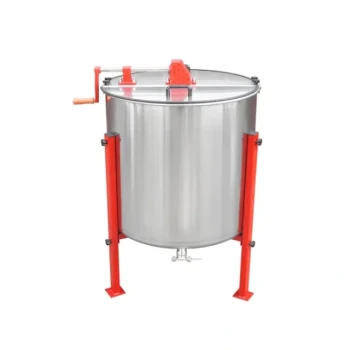
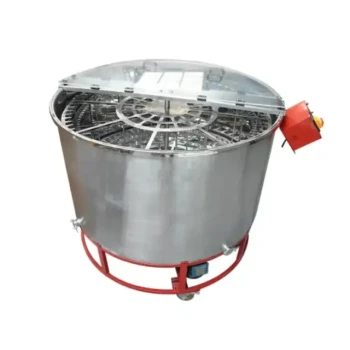
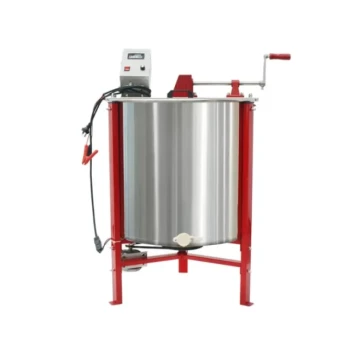
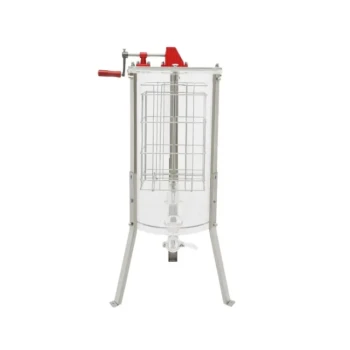
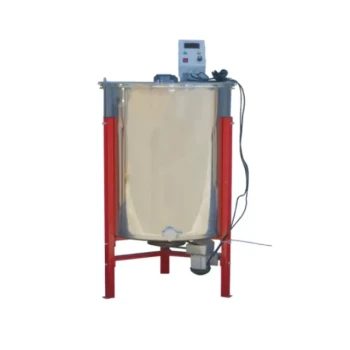
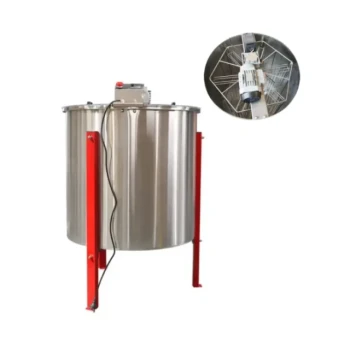
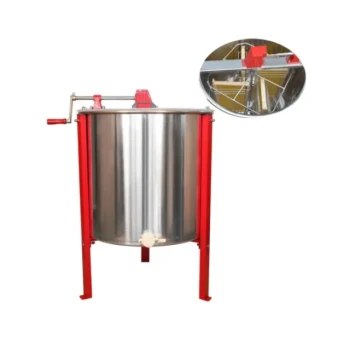
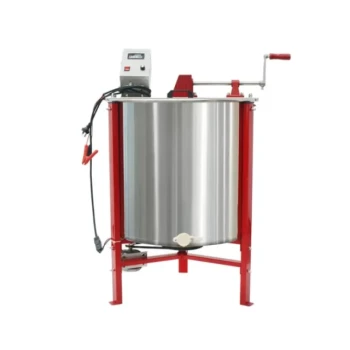
Robinia pseudoacacia provides a high-volume nectar flow that is notoriously short and highly weather-dependent. By monitoring the exact start of flowering, operators can ensure that high-capacity centrifugal extractors are fully prepared to handle the surge in incoming honeycombs.
This synchronization prevents the logistical bottleneck of having machinery sit idle while nectar is available, or conversely, having more harvest than the machines can process. A well-timed cycle maintains a constant flow of raw material, keeping the production line moving at maximum capacity.
Protecting the Integrity of Monofloral Honey
Precise timing is critical for producing premium monofloral honey, which commands higher market prices. Monitoring the flowering start allows for the clear separation of Robinia nectar from other sources, ensuring that processing equipment is clean and dedicated to this specific harvest.
Automated honey-filling machinery with programmable speed controls can then be optimized for the specific viscosity and quality of Robinia honey. This level of control ensures a standardized, high-quality product that meets the strict requirements of international distributors.
Strategic Capacity Planning and Infrastructure Prep
Predictive Maintenance and Readiness
A flowering calendar acts as a strategic timeline for the maintenance and deployment of honey processing machinery. By identifying peak flowering periods in advance, apiaries can schedule critical maintenance during off-peak times.
This ensures that when the nectar flow begins, every piece of equipment—from filtration systems to storage containers—is in peak condition. This proactive approach minimizes the risk of mechanical failure during the most profitable weeks of the season.
Matching Filtration and Filling Speeds
The high yield potential of Robinia pseudoacacia, which can reach up to 1000 kg/ha, requires a processing infrastructure that can match harvest intensity. Advanced extraction machines utilize large-capacity technology to process high volumes without damaging honeycomb structures.
Distributors must ensure their clients have access to filtration and filling machines that can keep pace with these high-speed extractors. Properly matched equipment prevents quality degradation that occurs when honey sits unprocessed due to insufficient downstream capacity.
Understanding the Operational Trade-offs
The Risk of Over-Capitalization
Investing in ultra-high-capacity machinery specifically for Robinia honey can lead to high overhead if the equipment is not versatile. While high-speed machines maximize output during the peak, they represent significant sunk costs if they cannot be adjusted for other, less intense nectar flows throughout the year.
The Complexity of Geographic Deployment
Yields are significantly higher in complex terrains like gulches and slopes, which protect trees from dry winds. However, reaching these high-yield zones requires professional beehive transport equipment, adding a layer of logistical cost and complexity to the operation that must be balanced against the increased honey volume.
Making the Right Choice for Your Goal
How to Apply This to Your Business Strategy
As a distributor or wholesaler, your goal is to provide solutions that balance high output with operational reliability. The ability to source a full-spectrum product portfolio allows your clients to scale their infrastructure according to their specific nectar sources.
- If your primary focus is maximizing seasonal output: Prioritize high-capacity, programmable centrifugal extractors and fast-response filling lines to capture the full potential of the Robinia flow.
- If your primary focus is ensuring product purity: Invest in dedicated filtration systems and standardized hive management tools to guarantee the consistency required for premium monofloral honey.
- If your primary focus is operational longevity: Emphasize machinery with robust build quality and a clear maintenance calendar to ensure readiness year after year.
By integrating precision flowering data with high-efficiency machinery, commercial honey producers can transform a volatile natural event into a predictable, high-margin industrial process.
Summary Table:
| Operational Focus | Monitoring Benefit | Impact on Machinery Efficiency |
|---|---|---|
| Cycle Synchronization | Predicts intense nectar surge | Eliminates equipment idling and prevents raw material bottlenecks. |
| Purity Control | Isolates monofloral window | Optimizes filling lines for specific honey viscosity and quality. |
| Predictive Maintenance | Identifies peak workloads | Ensures equipment is in peak condition before the short, high-volume flow. |
| Capacity Matching | Estimates yield potential | Aligns filtration and bottling speeds with high-speed centrifugal extractors. |
Scale Your Apiary Success with HONESTBEE
Maximize your profit margins and operational reliability by partnering with HONESTBEE. We offer a one-stop sourcing solution tailored for distributors, wholesalers, and B2B resellers. Our comprehensive portfolio provides everything from high-capacity honey-filling and hive-making machinery to essential industry consumables and cultural merchandise.
Why choose HONESTBEE?
- Full-Spectrum Portfolio: Access a complete range of beekeeping tools and industrial machinery.
- Deep Industry Expertise: Benefit from our professional insights to optimize your equipment selection.
- Efficient Fulfillment: Experience ultra-fast delivery and rapid response times to meet seasonal demands.
- Premium Service: Dedicated support designed to help you maintain a competitive edge in the market.
Ready to enhance your supply chain and capture maximum yields?
Contact HONESTBEE Today to explore our wholesale offerings!
References
- Fausto Carbonari, Chiara Epifani. Seasonal climate signals driving flowering of Robinia pseudoacacia in Piedmont (Italy): implications for apiculture under climate change. DOI: 10.1007/s00484-026-03184-7
This article is also based on technical information from HonestBee Knowledge Base .
Related Products
- Stainless Steel Manual 8 Frame Radial Honey Extractor Machine for Beehives
- 6 Frame Manual Stainless Steel Honey Extractor Beekeeping Equipment
- HONESTBEE 72 Frame Industrial Electric Honey Extractor for Beekeeping
- 32 Frame Commercial Electric Honey Extractor for Beekeeping and Honey Production
- HONESTBEE 6 Frame Three Use Electric Honey Extractor for Beekeeping
People Also Ask
- What types of beehive frames are compatible with honey extractor machines? Find the Perfect Match for Your Apiary
- Which type of honey extractor is generally more durable? Focus on Material & Build Quality for Longevity
- What are the key features and benefits of a stainless steel honey extractor? Upgrade to Professional Purity
- Why are manual extractors popular among beginner beekeepers? A Guide to Starting Simple & Saving Money
- What are the disadvantages of a manual honey extractor? Overcome Efficiency Bottlenecks in Your Apiary