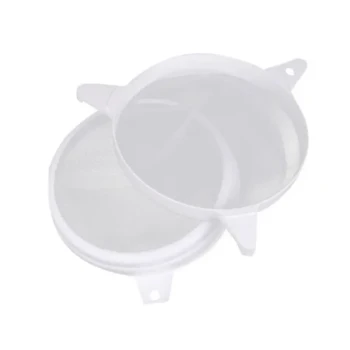
Multi-functional filtration and concentration equipment acts as an adaptive processing system that tailors its operation to the specific botanical origin of the honey. It ensures quality by allowing operators to adjust processing parameters based on the unique physical properties—such as viscosity and initial moisture content—of different nectar sources like chestnut or linden. This precise control removes impurities and stabilizes moisture levels to prevent fermentation, ensuring the final product meets rigorous food safety standards.
Different nectar sources produce honey with vastly different physical characteristics. The core value of multi-functional equipment lies in its ability to customize the purification process, preventing spoilage while respecting the unique profile of the specific forest honey type.
Adapting to Variable Physical Properties
Customizing for Viscosity
Honey derived from different tree species varies significantly in thickness. Multi-functional equipment allows for the adjustment of flow rates and pressure to accommodate these differences.
This capability is essential for processing high-viscosity varieties without causing mechanical stress or blockages. Proper handling during this stage ensures the texture remains consistent with consumer expectations for that specific varietal.
Precision Moisture Control
The most critical function of this equipment is the regulation of water content. Nectar sources yield honey with varying moisture levels, which can dictate the shelf life of the product.
By precisely concentrating the honey, the equipment reduces moisture to a level that inhibits yeast growth. This is the primary defense against fermentation and spoilage, guaranteeing the product remains safe for consumption over time.
Preserving Sensory and Nutritional Integrity
Selective Impurity Removal
Filtration systems are designed to remove physical contaminants without stripping the honey of its identity. The equipment filters out debris and foreign particles to meet food safety regulations.
However, advanced systems achieve this while retaining the pollen and microscopic elements that identify the honey's source. This balance is crucial for maintaining the "physical guarantee" of purity that builds consumer trust.
Protecting Bioactive Components
Beyond basic cleaning, the equipment plays a vital role in preserving the chemical profile of the honey. Specialized hardware is engineered to filter the product while protecting natural aromas and bioactive compounds.
This ensures that the distinct flavor profile of a chestnut or linden honey remains intact. Preserving these sensory qualities is essential for commanding premium market positioning and satisfying consumer demand for authentic taste.
Understanding the Trade-offs
The Balance of Heat and Quality
Concentration often requires thermal processing to evaporate excess moisture. Excessive heat is the enemy of quality.
If the equipment parameters are not carefully managed, high temperatures can degrade enzymes and darken the honey. Operators must balance the need for moisture reduction with the thermal sensitivity of the specific nectar source to avoid "cooking" the product.
Filtration vs. Ultra-Filtration
While removing impurities is necessary, there is a risk of over-processing. Aggressive filtration can strip honey of all pollen, effectively removing its botanical fingerprint.
This transforms a unique forest honey into a generic sweetener. It is critical to configure the equipment to filter for hygiene without sterilizing the product's natural character.
Making the Right Choice for Your Goal
The configuration of your equipment should be dictated by your end-product strategy.
- If your primary focus is extended shelf life and safety: Prioritize the concentration modules to ensure moisture levels are strictly brought below the fermentation threshold, regardless of the nectar source.
- If your primary focus is premium artisanal quality: Prioritize the precision of the filtration parameters to maximize the retention of volatile aromas and bioactive components specific to the floral source.
Success depends not just on removing what is bad, but on intelligently preserving what makes your specific honey unique.
Summary Table:
| Feature | Functionality | Benefit to Honey Quality |
|---|---|---|
| Variable Flow Control | Adjusts pressure based on viscosity | Prevents mechanical stress; maintains texture |
| Precision Concentration | Regulates moisture levels | Inhibits fermentation and extends shelf life |
| Selective Filtration | Removes debris while retaining pollen | Ensures hygiene without losing botanical identity |
| Thermal Regulation | Protects bioactive compounds | Preserves natural enzymes, color, and aroma |
Elevate Your Honey Production with HONESTBEE
At HONESTBEE, we understand that every nectar source requires a specialized touch. We provide commercial apiaries and distributors with high-performance honey-filling machines, filtration systems, and specialized hardware designed to preserve the integrity of your harvest.
From industrial-grade machinery to essential consumables and honey-themed cultural merchandise, our comprehensive wholesale offering empowers you to scale efficiently while maintaining premium quality standards. Ready to optimize your processing line?
Contact HONESTBEE Today for a Custom Quote
References
- Ersin Güngör, Gökhan Şen. SELECTING SUITABLE FOREST AREAS FOR HONEY PRODUCTION USING THE AHP: A CASE STUDY IN TURKEY. DOI: 10.1590/01047760201824012511
This article is also based on technical information from HonestBee Knowledge Base .
Related Products
- Honey Concentrating and Filtering Dehumidifier Machine 2T Capacity for Honey
- Electric Double Wall Honey Filtering Machine Purifier Equipment for Honey Processing Plant
- Honey Concentrating Vacuum Heating Thickening Machine Dehumidifier for Honey
- Professional Stainless Steel Honey Filtering Machine with Water Bath Heating for Beekeeping
- Professional Honey Filter with Tripod Support Stand
People Also Ask
- What heating methods can be used with the honey concentrating equipment? Electric vs. Boiler Options
- How does honey filtration and processing machinery transform raw honey? Scale Your Production for Global Markets
- What electrical safety precaution is necessary when operating the honey concentrating equipment? Essential Grounding Tips
- What maintenance should be performed when the honey concentrating equipment is not in use? Key Safety & Care Tips
- What are the main functions of the honey concentrating equipment? Essential Machinery for Commercial Quality