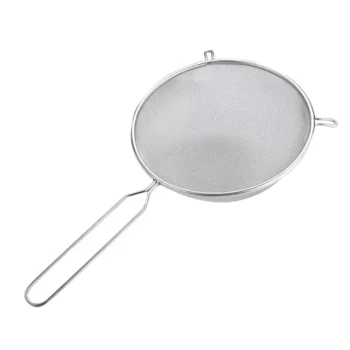
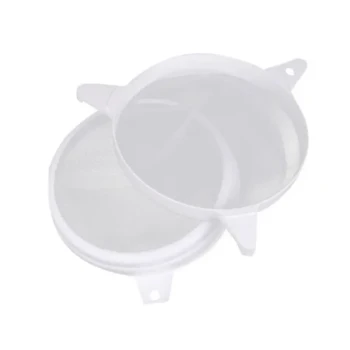
Professional honey filtration and processing equipment acts as the critical bridge between raw agricultural harvest and a high-value commercial product. By utilizing machinery such as centrifuges and precision filters, producers physically remove contaminants like wax, larvae, and biological debris. This transformation creates a hygienic, optically clear product that meets strict commercial grading standards and significantly extends shelf life.
Core Insight: The market value of honey is determined less by its raw state and more by its stability and presentation. Professional processing equipment converts inconsistent raw material into a standardized, shelf-stable commodity capable of entering high-end retail channels.
The Impact on Sensory Quality and Consumer Perception
Enhancing Visual Clarity
Consumer value is heavily influenced by first impressions. Industrial filtration systems utilize multi-stage mechanical screening to remove fine particles, pollen grains, and air bubbles. This eliminates the cloudiness often associated with raw extraction, resulting in the transparent, golden aesthetic that mass-market consumers associate with purity.
Eliminating Perceived Defects
Unprocessed honey frequently contains sediment, which can be mistaken by consumers for spoilage or low quality. Professional filtration removes these "defects" to ensure a consistent appearance. By guaranteeing a sediment-free product, producers can command a price premium based on improved visual appeal and consumer willingness to pay.
Preserving Nutritional Integrity
While the goal is clarity, advanced equipment achieves this without thermal degradation. High-quality extraction and filtration machinery separates impurities physically rather than chemically. This preserves the honey’s inherent nutritional profile while delivering the polished look required for retail shelves.
Operational Value and Hygiene Standards
Ensuring Biological Purity
Raw harvest methods can introduce biological contaminants, including bee fragments and larval remains. Primary processing equipment, specifically precision filters, removes these organic impurities. This is not merely an aesthetic improvement; it is a fundamental requirement for meeting modern food safety standards and certification.
Extending Shelf Life
Biological debris acts as a catalyst for spoilage and fermentation. By thoroughly removing these impurities through standardized filtration, professional equipment stabilizes the honey. A longer, predictable shelf life is essential for distribution logistics and reduces waste, directly protecting the producer's profit margins.
Non-Destructive Extraction
Traditional squeezing methods destroy the honeycomb and mix excess wax into the honey. Modern centrifugal extractors separate honey using rotational force, leaving the wax structure intact. This allows the comb to be reused by the bees, increasing future yield efficiency while ensuring the harvested honey has lower wax content and better moisture control.
Understanding the Trade-offs
The Balance Between Clarity and Definition
While filtration increases commercial market value, there is a point of diminishing returns regarding "authenticity."
Standard filtration removes debris and wax, which is universally positive for value. However, ultra-filtration can remove all pollen, which effectively sterilizes the honey of its botanical origin.
If your target market is the "raw" or "artisanal" sector, aggressive filtration might actually lower the perceived value. These consumers often view slight cloudiness or pollen content as a marker of quality. It is vital to calibrate your equipment to match the specific expectations of your target demographic.
Making the Right Choice for Your Goal
To maximize market value, align your processing depth with your distribution channel:
- If your primary focus is Mass Market Retail: Prioritize multi-stage fine filtration to ensure absolute clarity, maximum shelf life, and zero sediment to meet strict supermarket grading standards.
- If your primary focus is High-End Artisanal Sales: Utilize centrifugal extraction and coarse filtration to remove sanitary hazards (larvae/wax) while retaining pollen to market the product as "raw" and nutrient-dense.
Summary: Professional equipment increases value not by changing the honey, but by revealing its quality through the reliable removal of impurities that compromise hygiene and aesthetics.
Summary Table:
| Feature | Impact on Market Value | Benefit to Producer |
|---|---|---|
| Precision Filtration | Ensures visual clarity and removes sediment | Commands premium pricing in retail |
| Centrifugal Extraction | Preserves comb integrity and reduces wax debris | Increases yield efficiency and honey purity |
| Hygienic Processing | Meets food safety and certification standards | Enables entry into regulated global markets |
| Biological Removal | Prevents fermentation and spoilage | Extends shelf life and reduces waste |
| Controlled Refinement | Standardizes product for mass-market consistency | Builds brand trust and consumer loyalty |
Elevate your apiary's output with industry-leading technology from HONESTBEE. As a premier partner for commercial apiaries and distributors, we provide the full spectrum of honey processing solutions—from precision hive-making and honey-filling machines to specialized filtration hardware and cultural merchandise. Whether you are scaling for mass-market retail or artisanal excellence, our comprehensive wholesale offerings ensure your honey meets the highest commercial standards. Contact our experts today to discover how we can optimize your production and drive your business growth!
References
- Moses Chemurot. Beekeeping In Adjumani District, Uganda. DOI: 10.1080/0005772x.2011.11417417
This article is also based on technical information from HonestBee Knowledge Base .
Related Products
- Electric Double Wall Honey Filtering Machine Purifier Equipment for Honey Processing Plant
- 0.5T Capacity Honey Dehumidifier Dryer with Vacuum Heating and Thickening Filtering Machine
- Honey Concentrating and Filtering Dehumidifier Machine 2T Capacity for Honey
- Professional Honey Filter with Tripod Support Stand
- Professional Stainless Steel Honey Filtering Machine with Water Bath Heating for Beekeeping
People Also Ask
- What is the process of filtering honey? A Guide to Clean, Pure, and Market-Ready Honey
- What types of equipment are used in honey filtering? Build an Efficient System for Pure, Marketable Honey
- What is the overall importance of using the right equipment in honey filtering? Boost Quality & Marketability
- What steps are involved in maintaining honey filtering equipment? A Guide to Protecting Your Honey Quality
- How should honey filtering equipment be properly maintained? Extend Equipment Life & Protect Honey Purity