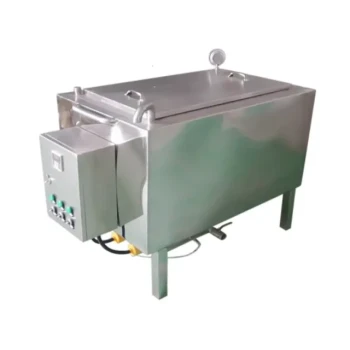
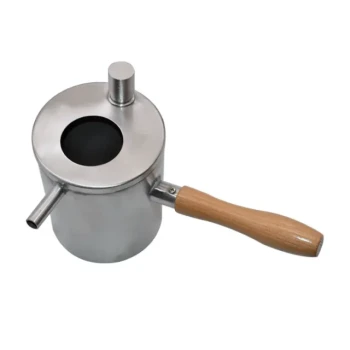
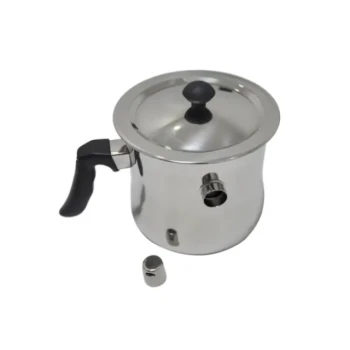
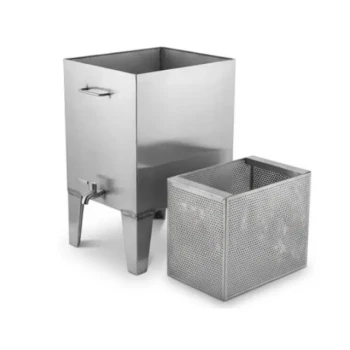
Professional wax melting acts as a critical sterilization barrier. By utilizing controlled high-temperature heating processes, professional equipment melts down old hive combs while simultaneously disinfecting them. This thermal treatment effectively eliminates pathogenic microorganisms hidden within the wax, such as American Foulbrood spores, ensuring that recycled beeswax is free from infectious sources before it is reintroduced to the apiary.
The true value of professional wax recycling extends beyond material recovery; it functions as a decontamination protocol. By subjecting old comb to precise thermal conditions, you convert a potential biological hazard into a clean, safe foundation for future colonies.
The Mechanism of Pathogen Elimination
Thermal Disinfection
The primary defense against disease is heat. Professional equipment allows operators to reach and maintain specific high temperatures necessary to kill persistent pathogens. This is particularly crucial for neutralizing American Foulbrood (AFB) spores, which are notoriously resilient and can survive in untreated wax for decades.
Deep Filtration
Melting is often accompanied by multi-stage filtration. As the wax liquefies, the equipment separates pure beeswax from physical impurities, "slumgum," and debris. This process physically removes the biological material where pathogens and pests, such as Varroa mites, often reside, further purifying the end product.
Standardization of Cleanliness
Unlike amateur methods, professional devices utilize precise temperature control systems. This ensures the wax is heated uniformly to the disinfection point without fluctuating into "safe zones" where bacteria might survive. It guarantees that every batch of recycled wax meets a standardized level of hygiene.
Strengthening Apiary Biosecurity
Creating a Closed-Loop System
Recycling wax onsite reduces the need to purchase external foundation sheets. By processing your own cappings and old combs, you create a closed-loop material system. This significantly reduces the risk of introducing foreign pathogens from outside sources or contaminated commercial wax.
Breaking the Cycle of Reinfection
Old brood combs act as sponges for environmental toxins and disease. Regularly culling and melting these frames prevents the buildup of pathogen loads within the hive. Professional processing ensures that when this wax returns to the hive as new foundation, the cycle of disease transmission is effectively broken.
Understanding the Trade-offs
The Balance of Temperature Control
While heat is the sanitizer, excessive heat can damage the chemical structure of beeswax. There is a fine line between the temperature required to kill AFB spores and the temperature that degrades wax hydrocarbons. Professional equipment is designed to navigate this trade-off, but operator precision is still required to avoid damaging the resource.
Equipment Cost vs. Biosecurity Value
High-efficiency wax melters with advanced filtration and pressure capabilities represent a capital investment. However, this cost must be weighed against the potential loss of colonies due to disease spread. For serious operations, the equipment is not just a recycling tool, but an insurance policy for colony health.
Making the Right Choice for Your Goal
To maximize disease control in your apiary, align your equipment use with your specific objectives:
- If your primary focus is Disease Eradication: Prioritize equipment capable of sustained high-temperature cycles (sterilization mode) specifically rated for American Foulbrood spore neutralization.
- If your primary focus is Resource Independence: Look for systems with multi-stage filtration to maximize yield and purity, allowing you to stop purchasing external, potentially risky foundation.
By treating wax rendering as a sanitation process rather than just a recovery task, you secure the long-term health and productivity of your colonies.
Summary Table:
| Feature | How it Controls Disease | Impact on Biosecurity |
|---|---|---|
| Thermal Disinfection | Maintains high, uniform heat to kill persistent pathogens. | Eliminates AFB spores and bacterial hazards. |
| Multi-stage Filtration | Physically removes slumgum, debris, and pest residue. | Purifies wax from biological nesting sites. |
| Closed-loop System | Processes internal materials rather than buying external wax. | Reduces risk of introducing foreign diseases. |
| Precision Control | Prevents temperature fluctuations where bacteria survive. | Ensures standardized hygiene for all foundation. |
Protect Your Colonies with Professional-Grade Biosecurity
At HONESTBEE, we understand that for commercial apiaries and distributors, equipment is more than just a tool—it is an insurance policy for colony health. Our professional wax melting and processing machinery provides the precise thermal control and deep filtration needed to break the cycle of infection and secure your resource independence.
Why partner with HONESTBEE?
- Wholesale Excellence: We offer a full spectrum of beekeeping tools and industrial machinery designed for high-capacity operations.
- Specialized Hardware: From hive-making to honey-filling and advanced wax rendering, we supply the hardware that drives efficiency.
- Comprehensive Support: We cater to the specific needs of large-scale distributors with essential industry consumables and merchandise.
Ensure your beeswax foundations are a safe haven for your bees, not a biological hazard. Contact us today to explore our wholesale solutions!
References
- Alessandra De Carolis, Giovanni Formato. A Comprehensive Analysis of Beekeeping Risks and Validation of Biosecurity Measures against Major Infectious Diseases in Apis mellifera in Europe. DOI: 10.3390/agriculture14030393
This article is also based on technical information from HonestBee Knowledge Base .
Related Products
- Electric Commercial Beeswax Melter for Factory Use
- Professional Stainless Steel Wax Melter for Beekeeping and Crafts
- Beeswax Melter for Candle Making Honey Bee Wax Melter
- Steam Beeswax Melter Wax Warmer for Wax Processing
- Solar Beeswax Melter Easy Solar Wax Melter for Beeswax
People Also Ask
- Why might a commercial beekeeper prefer an electric beeswax melter? Maximize Profit with Speed & Scale
- What safety precautions should be taken when melting beeswax? A Guide to Flammable Wax Handling
- What types of beeswax melters are available for different scales of beekeeping? Solar vs. Electric Melters Compared
- What are the three popular methods for melting beeswax? Safely Process Your Wax with Ease
- How do you melt beeswax without making a mess? Master Safe & Clean Techniques