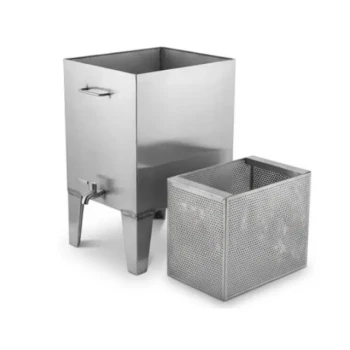
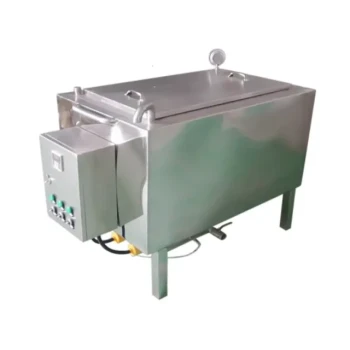
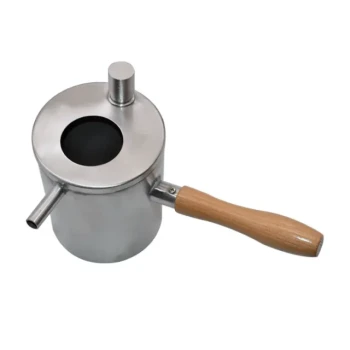
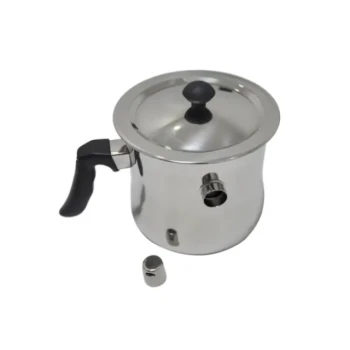
Wax processing and molding equipment serves as the critical technological bridge between raw apiary waste and commercial profitability. Its primary function is to convert residual wax—often discarded or undervalued during honey extraction—into high-purity, semi-finished wax blocks. Through a sequence of controlled heating, melting, and precision filtration, this machinery eliminates impurities to ensure the final product meets the strict raw material standards of the pharmaceutical, cosmetic, and candle industries.
By transforming low-value wax residue into purified, industrial-grade raw materials, this equipment enables beekeeping enterprises to extend their value chain, diversify revenue streams, and significantly enhance overall operational profitability.
The Technical Process: From Residue to Resource
Controlled Purification
Raw beeswax, such as old combs or cappings, often contains debris and physical contaminants. Processing equipment utilizes controlled heating and melting to liquify the wax without degrading its natural physical properties.
Precision Filtration
Once melted, the wax undergoes precision filtration, often utilizing pressure, to strip away non-wax impurities. This step is vital for producing clarity and consistency, differentiating high-grade commercial wax from raw agricultural byproducts.
Standardization and Molding
After purification, the equipment molds the clean wax into standardized semi-finished blocks. These blocks are designed for easy storage, transport, and immediate integration into downstream manufacturing lines for candles, balms, or medicines.
Economic Implications for Beekeepers
Extending the Value Chain
Instead of selling raw wax at commodity prices, this equipment allows beekeepers to enter the value-added processing sector. By producing refined wax, operations can supply high-margin industries like pharmaceuticals and cosmetics directly.
Risk Mitigation through Diversification
Relying solely on honey sales exposes apiaries to market price fluctuations and seasonal yield variances. Producing high-quality wax creates a secondary revenue stream, significantly increasing the operation's resilience against economic risks.
Resource Recycling
This equipment facilitates the efficient recycling of hive products that might otherwise be wasted. By processing old combs and cappings, beekeepers maximize the total return on investment for every hive in their operation.
Understanding the Trade-offs
The Requirement for Precision
While manual processing is possible for hobbyists, commercial clients require certified purity levels. Industrial-grade equipment is not optional if you intend to sell to regulated sectors like pharmaceuticals; manual filtration rarely meets these rigorous standards.
Balancing Volume and Investment
This equipment represents a capital expense that requires sufficient raw material volume to justify. It is most effective for enterprises looking to scale their operations or cooperatives pooling resources to access industrial markets.
Making the Right Choice for Your Goal
To maximize the value of your beekeeping byproducts, align your equipment use with your end-market strategy:
- If your primary focus is bulk commodity sales: Use the equipment to produce standardized, filtered wax blocks to sell as raw materials to cosmetic or pharmaceutical manufacturers.
- If your primary focus is vertical integration: Utilize the equipment to create the base material for your own branded finished goods, such as artisanal candles, soaps, or creams.
Investing in wax processing capability transforms a byproduct disposal issue into a sustainable, high-margin asset for your business.
Summary Table:
| Process Step | Primary Function | Business Value |
|---|---|---|
| Controlled Heating | Liquefies raw combs & cappings | Preserves wax physical properties |
| Precision Filtration | Removes debris & contaminants | Meets industrial-grade purity standards |
| Standardized Molding | Creates uniform wax blocks | Simplifies logistics & B2B integration |
| Resource Recycling | Processes hive byproducts | Maximizes total ROI per hive |
Maximize Your Apiary’s Revenue with HONESTBEE
Don’t let valuable beeswax go to waste. HONESTBEE empowers commercial apiaries and distributors with professional-grade wax processing machinery and a complete spectrum of beekeeping tools. Whether you are looking to supply the pharmaceutical industry with high-purity wax or expand your wholesale portfolio with honey-themed cultural merchandise, we provide the industrial hardware and consumables you need to scale.
Ready to transform your byproducts into a high-margin asset?
Contact HONESTBEE Today for a Wholesale Consultation
References
- Shakespear Hamauswa, Mr. Mpheteli J. Malunga. Promoting micro, small and medium enterprises in beekeeping in Zambias Central Province: Making a case for the adoption of business incubation strategy. DOI: 10.5897/ajar2017.12449
This article is also based on technical information from HonestBee Knowledge Base .
Related Products
- Beeswax Machine Press Embosser Wax Foundation Mold Printer Bee Hive Equipment Making Sheet
- Electric Flatting and Embossing Machine with Tray for Beekeeping
- Electric Beeswax Flat Sheet Machine with Operating Tray for Wax Processing
- Manual Beeswax Flat Sheet Machine for Beeswax Processing
- Fully Automatic Beeswax Embossing Machine Foundation Mill
People Also Ask
- What equipment is needed to make beeswax foundation? A Guide to DIY Wax Sheet Production
- What miscellaneous equipment is needed for making foundation? A Guide to the Essential Tools
- What miscellaneous equipment is useful when making beeswax foundation? Essential Support Tools for Beekeepers
- What specific equipment is required for making beeswax foundation? Essential Tools for High-Quality Production
- What is the recommended temperature for melting beeswax to make foundation sheets? Master the 70°C-80°C Ideal Range