Beekeepers primarily harvest beeswax as a secondary product during the honey extraction process. The most significant source of harvestable wax is the "cappings"—the thin wax seals sliced off honeycomb frames to release the honey—though keepers also collect wax by scraping excess comb from hive boxes and reclaiming material from retired colonies.
Beeswax is a valuable commodity that represents a significant energy investment for the colony. Harvesting it is rarely a standalone activity; instead, it involves collecting byproducts from honey production and hive maintenance, then refining them to remove debris.
Sourcing Wax from the Hive
The Primary Source: Cappings
When bees store honey, they seal the honeycomb cells with a wax cap. To extract the honey, beekeepers must slice these cappings off.
This material represents the highest volume of harvested wax. It is typically collected during the "uncapping" stage of the honey harvest.
Secondary Sources: Maintenance Scrapings
Bees often build wax in undesirable locations, known as burr comb. Beekeepers scrape this off during routine inspections to keep the hive frames manageable.
Additionally, wax can be recovered from excess comb found on frames or hive boxes. Wax is also salvaged from colonies that have died out to prevent resource waste.
Reclaiming Old Brood Comb
After several years of use, brood comb (where bees raise their young) becomes dark and brittle. Beekeepers often "retire" these frames.
While less pure than cappings, this old comb can be melted down to harvest the wax structure remaining within it.
The Rendering Process
Once the raw wax is collected, it is usually mixed with debris, honey residues, and other hive materials. It must be rendered (melted and filtered) to become usable.
The Melting Procedure
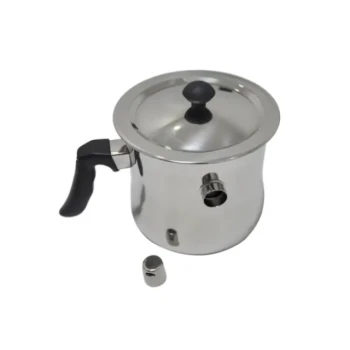
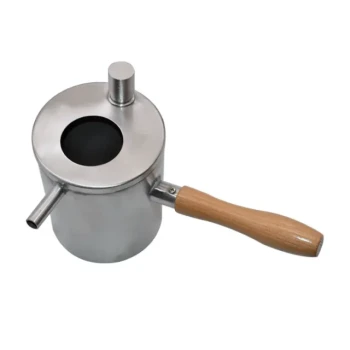
A standard method involves placing the raw wax in a pot made of enamel, aluminum, or stainless steel. Clean rainwater is added at a ratio of twice the volume of the wax.
The mixture is heated until all wax is melted. Great caution is required during this step, as hot wax is highly flammable.
Filtration and Separation
The hot mixture is poured through a rough sieve into a bucket to filter out large particulates. It is then left to cool for at least 12 hours.
As it cools, the wax rises to the surface and sets into a hard cake, while water and debris settle at the bottom. The beekeeper then removes the wax cake and scrapes any remaining sediment from its underside.
Specialized Equipment
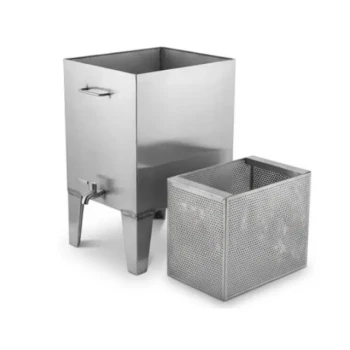
While a simple pot works for small batches, beekeepers managing larger volumes often utilize specialized wax melters.
These devices differ primarily by their heat source. Common options include solar-powered melters, steam plants, centrifugal machines, and electric models.
Understanding the Trade-offs
Impact on Honey Production
Removing wax is not a cost-free action for the hive. Wax production requires significant energy and resources from the bees.
Consequently, removing large amounts of wax can negatively impact a hive's honey production, as bees must divert energy to rebuilding comb rather than foraging.
Purity vs. Effort
Wax from cappings is generally lighter and purer, requiring less processing.
Wax from old brood comb or crush-and-strain harvesting often contains more impurities (cocoons, propolis), requiring more intensive filtration or multiple rendering cycles to achieve a clean product.
Making the Right Choice for Your Goal
Whether you are a hobbyist or a commercial producer, the method of harvest depends on your end-use requirements.
- If your primary focus is high purity: Prioritize wax collected from cappings and perform the melting process twice with fresh rainwater to maximize clarity.
- If your primary focus is maximum yield: Collect all sources, including burr comb and old brood comb, but be prepared to scrape significant debris from the bottom of the cooling cake.
Efficient wax harvesting transforms a sticky hive byproduct into a clean, versatile material without compromising the long-term health of the colony.
Summary Table:
| Wax Source | Quality/Purity | Typical Harvest Method | Best Use Case |
|---|---|---|---|
| Honey Cappings | Highest | Sliced off during honey extraction | Premium candles, cosmetics, and balms |
| Burr/Brace Comb | Medium | Scraped from frames during inspections | General utility wax and maintenance |
| Old Brood Comb | Low (Dark) | Melted down from retired frames | Industrial use or foundation manufacturing |
| Salvaged Comb | Variable | Reclaimed from dead or abandoned hives | Wax recycling and resource recovery |
Scale Your Wax Production with HONESTBEE
Maximize your apiary's efficiency and turn hive byproducts into high-value commodities. HONESTBEE provides commercial apiaries and distributors with professional-grade honey-filling machines, specialized hive-making hardware, and a comprehensive range of beekeeping tools. Whether you are looking to refine your rendering process or expand your wholesale inventory, our expert-backed equipment ensures superior quality and yield.
Ready to upgrade your commercial beekeeping operation?
Contact Us Today to Explore Wholesale Solutions
Related Products
- Beeswax Foundation Sheets Beehive Foundation for Wholesale
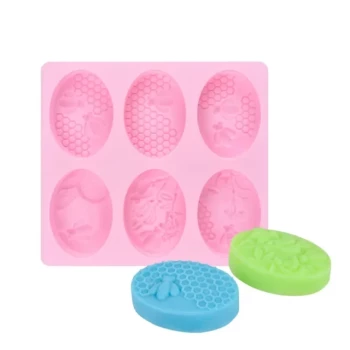
- Colorful Silicone Beeswax Foundation Mold Mould for Beekeeping
- Economy Manual Beeswax Embossing Mill Wax Foundation Machine Roller
- Beeswax Melter for Candle Making Honey Bee Wax Melter
- Electric Beeswax Flat Sheet Machine with Operating Tray for Wax Processing
People Also Ask
- What are the technical advantages of beeswax foundations and feeding tools? Optimize Your Bee Breeding Phase
- Why is the regular exchange and replacement of beeswax foundations encouraged? Boost Honey Yield & Hive Biosafety
- What are the negative consequences of using old or contaminated beeswax in foundations? Protect Your Hive Today
- Why is high-purity natural beeswax essential for foundations? Prevent Larval Mortality & Boost Colony Health
- What are the specific advantages of regular comb replacement? Boost Hive Health with New Beeswax Foundations