Larval grafting with plastic cell cups is a specialized queen rearing technique where very young larvae are manually transferred from their original comb into artificial plastic receptacles. These cups act as a surrogate foundation, placed within a queenless or starter colony to trigger nurse bees to feed the larvae royal jelly and develop them into new queens.
By transplanting larvae into vertically oriented artificial cups within a queenless environment, beekeepers manipulate the colony's biological instincts to transform standard female larvae into queens through specialized feeding.
The Role of Plastic Cell Cups
Engineering for Consistency
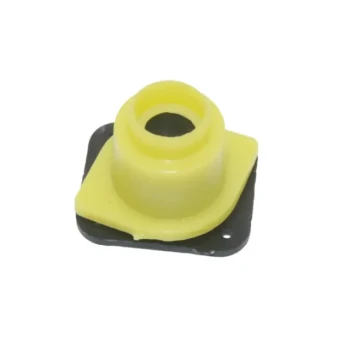
Plastic cell cups replace natural wax cells to provide a consistent, durable environment for developing larvae. Unlike natural cells, which vary in shape and location, plastic cups are standardized.
Efficiency in Handling
These cups are designed to be reusable and easily identifiable. This simplifies the logistical challenge of locating, handling, and transferring delicate queen cells without damaging the developing pupa.
Vertical Suspension
Standardized cell bars hold the plastic cups in a specific orientation. This ensures the larvae remain vertically suspended, a position that aligns with biological instincts and allows for optimal deposition of royal jelly by worker bees.
Critical Preparation: The Wax Coating
Simulating Nature
Plastic is foreign to bees, which can lead to rejection. To overcome this, plastic cups are typically coated with a layer of molten beeswax before use.
Increasing Acceptance
This wax layer simulates the texture and scent of a natural hive environment. By combining the durability of plastic with the natural properties of beeswax, beekeepers significantly increase the acceptance rate of the transferred larvae by nurse bees.
The Biological Mechanism
Triggering the Emergency Response
Once the larvae are grafted into the cups, the frame is placed into a queenless hive or a specially prepared starter colony. The absence of a queen prompts the colony to initiate emergency queen rearing.
Specialized Feeding
Recognizing the larvae in the vertical cups as potential queens, nurse bees provide specialized feeding. They flood the cups with royal jelly, switching the larva's developmental path from a worker bee to a reproductive queen.
Understanding the Trade-offs
Preparation Requirements
While plastic cups are durable, they are not "ready to use" immediately if high success rates are desired. You must invest time in waxing the cups to ensure the bees do not reject the artificial material.
Dependency on Colony State
The cups are merely vessels; success relies heavily on the state of the colony. Even with perfect grafting into plastic cups, the process will fail if the colony is not queenless or sufficiently populated to support intensive royal jelly production.
Making the Right Choice for Your Goal
To determine if this method aligns with your apiary management strategy, consider the following:
- If your primary focus is large-scale production: Use plastic cups for their durability and standardization, which facilitates efficient batch grafting and reuse over multiple seasons.
- If your primary focus is maximizing acceptance rates: Ensure every plastic cup is thoroughly coated in molten beeswax to mimic the natural hive environment and prevent rejection by nurse bees.
The success of plastic cup grafting lies in using artificial precision to trigger a natural biological response.
Summary Table:
| Feature | Description | Key Benefit |
|---|---|---|
| Plastic Cell Cups | Standardized artificial receptacles for larvae | Consistency and durability for large-scale reuse |
| Wax Coating | Application of molten beeswax to plastic surface | Mimics natural hive scent to increase bee acceptance |
| Vertical Suspension | Orienting cells downward on cell bars | Aligns with biological instincts for queen development |
| Starter Colony | Use of a queenless or populous colony environment | Triggers emergency response and royal jelly production |
| Grafting Process | Manual transfer of 12-24 hour old larvae | Allows beekeepers to select superior genetic stock |
Elevate Your Apiary's Queen Production with HONESTBEE
At HONESTBEE, we understand that successful queen rearing requires precision and the right tools. As a premier provider for commercial apiaries and distributors, we offer a comprehensive wholesale range of beekeeping equipment designed to optimize your operations. From standardized plastic cell cups and grafting tools to advanced honey-filling machines and specialized hive-making hardware, our portfolio supports every stage of your business.
Whether you are scaling up queen production or seeking high-quality consumables for distribution, our team is dedicated to providing the industrial-grade solutions you need to thrive.
Ready to enhance your yield? Contact us today to discuss your wholesale needs!
Related Products
- JZBZ Type Wide Base Plastic Queen Cell Cups for Base Mounting and Queen Rearing
- Clear Black Plain Polystyrene Queen Bee Grafting Cell Cups No Lug for Bee Queen Cup
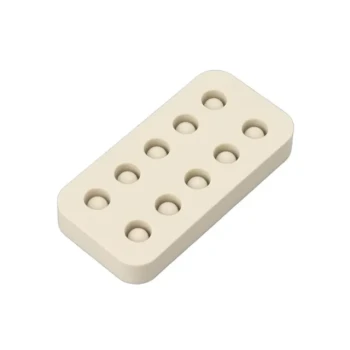
- 10-Cell Silicone Beeswax Bee Queen Cups Forming Mold
- JZBZ Push-In Queen Cell Cups for Beekeeping
- Brown Nicot Queen Cell Cups for Breeding Queen Bees Beekeeping
People Also Ask
- What is the primary function of commercial plastic queen cell cups? Driving Efficiency in Mass Queen Rearing
- What are the primary advantages of using plastic queen cell cups? The Industrial Choice for High-Efficiency Apiaries
- What technical advantages do commercial plastic queen cell cups offer? Scale Your Queen Rearing for Maximum Efficiency
- What is the function of standardized plastic Queen Cell Cups? Boost Efficiency in Commercial Larval Grafting
- Why are standardized plastic queen cell cups preferred? Boost Commercial Queen Rearing Efficiency