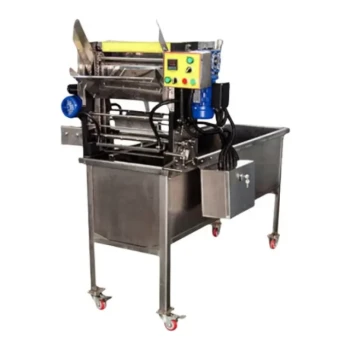
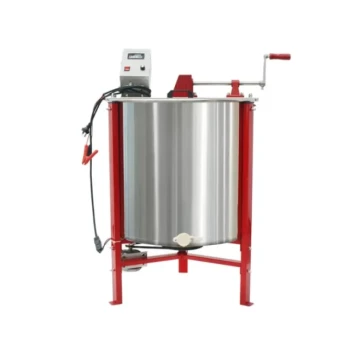
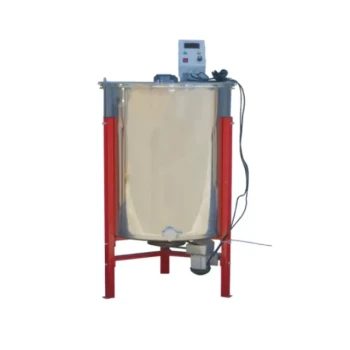
Specialized harvesting equipment mitigates moisture risks by adapting to the unique storage structures of different bee species. By aligning the extraction method with the specific physiology of the bee—such as the cerumen pots of stingless bees versus the combs of Apis species—producers prevent accidental moisture spikes and contamination during the harvest itself.
While honey from species like stingless bees naturally contains higher water levels, proper equipment is essential to avoid exacerbating this trait. The right tools minimize external contamination during extraction and allow for precise post-harvest dehydration, ensuring stability against fermentation without sacrificing heat-sensitive nutrients.
Matching Equipment to Bee Physiology
The Challenge of Storage Structures
Standard honey bees (Apis spp.) and stingless bees (Meliponini) utilize vastly different biological architectures to store their honey. Standard bees use wax combs, while stingless bees utilize cerumen pots.
Generic equipment designed for standard combs is often incompatible with cerumen pots. Using the wrong machinery can rupture these delicate structures, leading to inefficient extraction and increased exposure to ambient humidity.
Preventing Abnormal Increases
The primary role of specialized harvesting gear is prevention. Improper harvesting techniques can cause abnormal increases in moisture content by exposing the honey to high-humidity environments or mixing it with uncapped nectar.
Targeted equipment is designed to extract honey cleanly from specific storage structures. This minimizes the introduction of impurities and ensures the moisture content remains consistent with the bee's natural product, rather than being artificially inflated during the process.
Post-Harvest Control: Dehydration Technology
Active Moisture Reduction
Once harvested, maintaining stability often requires active intervention, particularly for honeys with naturally high water content. Vacuum low-temperature dehydrators represent the professional standard for this task.
This equipment allows producers to precisely reduce moisture levels to meet legal standards. By controlling the water activity, the equipment directly dictates the product's resistance to fermentation, which is the leading cause of spoilage in high-moisture honeys.
Understanding the Trade-offs
Heat vs. Nutrient Retention
A common pitfall in moisture management is the use of traditional high-heat dehydration methods. While effective at removing water, high temperatures damage the honey.
Heat degrades volatile aromatic substances and destroys heat-sensitive active ingredients. This results in a product that is stable but lacks the nuanced flavor and health benefits of the raw product.
The Vacuum Advantage
Specialized vacuum equipment solves this trade-off by lowering the boiling point of water. This allows for efficient moisture removal at significantly lower temperatures.
The result is a stable product that retains its original biochemical profile. However, producers must weigh the higher initial cost of vacuum technology against the potential loss of quality associated with cheaper, thermal-only methods.
Making the Right Choice for Your Goal
Selecting the right machinery depends on whether your priority is preserving raw characteristics or ensuring maximum shelf life across different species.
- If your primary focus is processing non-standard varieties (like stingless bee honey): Ensure your extraction gear is specifically calibrated for cerumen pots to prevent structural contamination and accidental moisture uptake.
- If your primary focus is preserving unique flavor profiles: Prioritize vacuum low-temperature dehydrators to remove excess moisture without destroying volatile aromatics or heat-sensitive nutrients.
Ultimately, the right equipment bridges the gap between natural biological variation and the rigorous stability standards required for commercial honey.
Summary Table:
| Feature | Standard Equipment | Specialized Harvesting Gear | Vacuum Dehydration Systems |
|---|---|---|---|
| Target Structure | Apis wax combs | Meliponini cerumen pots | Bulk honey processing |
| Moisture Impact | High risk of contamination | Prevents accidental moisture spikes | Precisely reduces water content |
| Nutrient Preservation | Low (if high heat used) | High (clean extraction) | Maximum (low-temp processing) |
| Main Benefit | Universal application | Prevents structural damage | Ensures shelf stability |
Elevate Your Honey Quality with HONESTBEE Solutions
At HONESTBEE, we understand the unique challenges faced by commercial apiaries and distributors in managing honey moisture and quality. Our comprehensive wholesale offering includes everything from specialized harvesting machinery tailored for various bee species to advanced honey-filling and vacuum dehydration machines.
Whether you are looking for precision hardware to preserve delicate stingless bee honey or robust equipment for large-scale production, our portfolio provides the tools you need to prevent fermentation and retain natural biochemical profiles. Contact us today to discover how our specialized beekeeping tools and industrial machinery can optimize your operations and enhance your product's market value.
References
- Devi Adityarini, Sri Darmanti. Kualitas Madu Lokal Berdasarkan Kadar Air, Gula Total dan Keasaman dari Kabupaten Magelang. DOI: 10.14710/baf.5.1.2020.18-24
This article is also based on technical information from HonestBee Knowledge Base .
Related Products
- Honey Concentrating Vacuum Heating Thickening Machine Dehumidifier for Honey
- 0.5T Capacity Honey Dehumidifier Dryer with Vacuum Heating and Thickening Filtering Machine
- Honey Concentrating and Filtering Dehumidifier Machine 2T Capacity for Honey
- High Quality Honey Dehumidifier Dryer Thickening Machine for Beekeeping
- Economy Small Scale Honey Dryer Dehumidifier Thickening Machine
People Also Ask
- What should be observed during the feeding process of the honey concentrator? Master Honey Processing Efficiency
- What are the advantages of using a honey concentrator machine in apiculture? Boost Quality & Shelf Life
- What are the benefits of a honey concentrator? Elevate Your Honey Quality and Market Value
- What maintenance should be performed when the honey concentrating equipment is not in use? Key Safety & Care Tips
- What are the main functions of the honey concentrating equipment? Essential Machinery for Commercial Quality