Specialized processing equipment fundamentally transforms beekeeping economics by enabling the refinement of raw by-products into high-value industrial ingredients. Instead of selling raw commodities, this technology allows beekeepers to produce specific raw materials for the cosmetics, pharmaceutical, and timber sectors, significantly increasing profit potential.
Core Takeaway Moving beyond simple honey production involves deep-processing machinery that converts raw propolis, pollen, and royal jelly into stable, refined inputs. This diversification strategy creates new, higher-margin revenue streams and insulates the enterprise from the volatility of honey prices and climate-related yield fluctuations.
The Economic Shift: From Raw Harvest to Refined Product
Unlocking High-Value Industrial Markets
The primary function of specialized processing equipment is to upgrade raw hive products into refined raw materials.
While raw propolis or pollen has a limited local market, deep-processing machines convert these substances into ingredients suitable for the cosmetics and pharmaceutical industries.
This capability allows beekeepers to transition from direct-to-consumer sales to lucrative B2B supply chains, where demand for standardized natural ingredients is high.
Creating Diversified Profit Margins
Implementing deep-processing creates additional production lines within the same operation.
Rather than relying on a single harvest, beekeepers can leverage the comprehensive production capacity of their colonies.
This establishes diversified profit margins, reducing the financial risk associated with a "honey-only" business model.
Operational Resilience and Stability
Mitigating Market and Climate Volatility
Honey production is heavily dependent on weather patterns and is subject to global price fluctuations.
By processing by-products like bee venom, royal jelly, and pollen, operations create a financial buffer.
These high-value extracts often remain stable in price and demand even when honey yields are low due to climate issues.
Maximizing Resource Utility
Specialized equipment allows for the monetization of bioactive substances that are often overlooked or discarded in traditional beekeeping.
By integrating the collection and processing of beeswax, propolis, and pollen, enterprises maximize the economic output per colony.
This increases revenue without requiring additional land resources or expanding the apiary footprint.
Technical Precision and Quality Control
Ensuring Purity and Marketability
To enter the pharmaceutical or cosmetic sectors, products must meet strict purity standards.
Specialized collection equipment, such as specific traps and grids, is designed to capture substances while preventing the introduction of external impurities.
High-purity extraction is the technical foundation that differentiates a hobbyist product from an industrial-grade raw material.
Preservation of Bioactive Integrity
Processing equipment plays a critical role in stabilizing fragile products.
For example, specialized temperature-controlled drying equipment reduces moisture in fresh pollen without damaging heat-sensitive bioactive components like enzymes and vitamins.
Without this specialized processing, these products would degrade rapidly, losing their commercial value for research or medicinal use.
Understanding the Trade-offs
Operational Complexity vs. Revenue
While the income potential is higher, deep processing introduces significant complexity to the beekeeping workflow.
Beekeepers must master not just apiary management, but also the operation of refinement machinery and quality control protocols.
Equipment Investment
The transition requires upfront capital for specialized tools (e.g., pollen dryers, venom extractors, propolis mats).
This moves the business model from low-overhead agriculture toward a light-industrial manufacturing model, which requires different management skills and maintenance schedules.
Making the Right Choice for Your Goal
To determine if specialized processing fits your operation, consider your strategic objectives:
- If your primary focus is maximizing revenue: Invest in deep-processing machinery to convert raw by-products into refined ingredients for the high-margin cosmetic and pharmaceutical B2B markets.
- If your primary focus is financial stability: Implement collection and basic processing tools to diversify your product portfolio, creating a safety net against honey price crashes and poor harvest seasons.
Ultimately, specialized processing equipment converts a beekeeping operation from a weather-dependent farm into a diversified producer of high-value biological assets.
Summary Table:
| Feature | Impact on Income | Key Benefit |
|---|---|---|
| Deep-Processing Machinery | High Value-Add | Converts raw materials into pharmaceutical/cosmetic grade ingredients. |
| Product Diversification | Reduced Risk | Insulates business from honey price volatility and climate fluctuations. |
| Purity Control Equipment | Market Expansion | Enables entry into strict B2B supply chains with standardized purity. |
| Bioactive Preservation | Premium Pricing | Maintains integrity of enzymes and vitamins for higher market value. |
| Resource Optimization | Increased Yield | Maximizes revenue per colony without expanding apiary footprint. |
Elevate Your Apiary from Honey Production to Industrial Supply
Transition your beekeeping operation into a high-margin enterprise with HONESTBEE. As a premier partner for commercial apiaries and global distributors, we provide the technical foundation needed to unlock new revenue streams.
Our value to your business includes:
- Comprehensive Equipment Range: From specialized hive-making and honey-filling machines to advanced refinement tools for propolis and royal jelly.
- Wholesale Industrial Solutions: We supply the full spectrum of beekeeping hardware and essential industry consumables designed for durability and precision.
- Market Expansion: Our tools help you meet the strict purity standards required by the pharmaceutical and cosmetic sectors.
Ready to maximize your colony's economic output? Contact HONESTBEE today to discuss our wholesale machinery and equipment solutions tailored for professional growth.
References
- Özgür Teoman, Onur Yeni. Evaluation of the Cluster Components for Apiculture Products and Honey in the Black Sea Region of Turkey. DOI: 10.17153/oguiibf.541398
This article is also based on technical information from HonestBee Knowledge Base .
Related Products
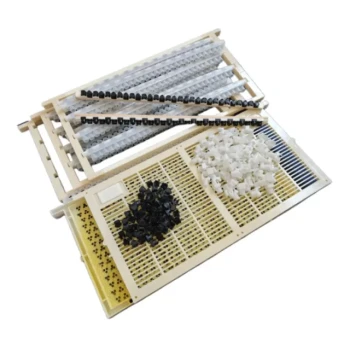
- No Grafting Queen Rearing Kit: System for Royal Jelly Production and Queen Rearing
- Plastic Chinese Queen Grafting Tool for Bee Queen Rearing
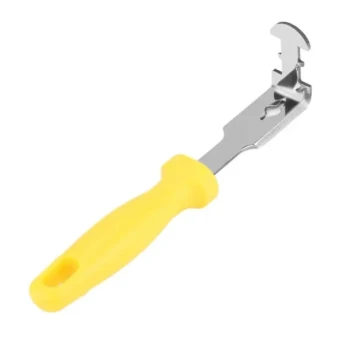
- Heavy Duty Stainless Steel Frame Cleaner with Plastic Handle
- 8 Frame and 10 Frame Propolis Trap Collector Screen for Propolis Collection
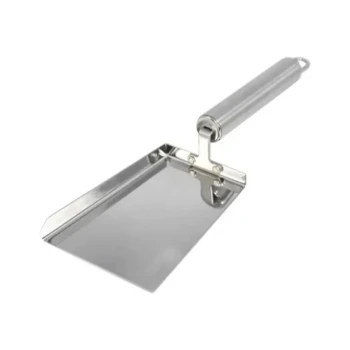
- Stainless Steel Pollen Shovel with Wooden Handle
People Also Ask
- What is the primary function of a queen rearing kit? Eliminate Manual Grafting for Superior Bee Breeding
- How do specialized queen rearing kits and queen management tools improve the success rate of bee colony expansion?
- What are some alternative methods to grafting for queen cell production? Discover Graft-Free Queen Rearing Systems
- Are queen rearing systems generally suitable for all honeybee species? Master Efficient Breeding Methods
- Are queen rearing systems suitable for all beekeepers? Modern Tools for Every Experience Level