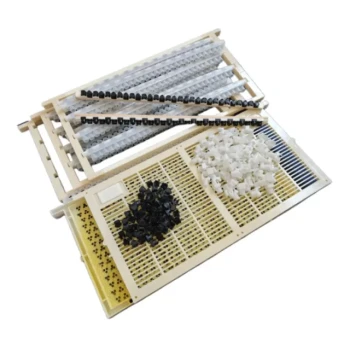
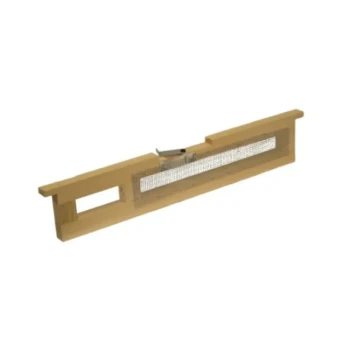
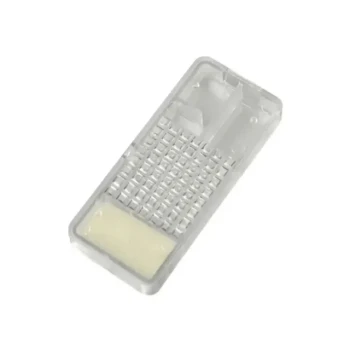
Specialized queen rearing and colony supply equipment serves as a vital technological intervention that stabilizes bee populations by creating controlled environments for artificial breeding and resource management. These tools allow apiarists to accelerate the recovery of colony numbers during periods of loss, ensuring a continuous supply of high-quality queens and healthy worker bees. By securing the reproductive foundation of the hive, this hardware directly supports the pollination functions essential to agricultural ecosystems.
Specialized equipment transforms beekeeping from a passive practice into a resilient, scalable system, providing the technical safeguards necessary to maintain breeding scales and protect global food security against environmental volatility.
Standardizing Reproductive Success
Precision in Queen Rearing
Professional queen rearing kits simulate optimal natural conditions, such as specific royal jelly secretion environments and queen cell structures. This technology increases the success rate of artificial insemination and cultivation. It ensures that the reproductive cycle remains intact even when natural conditions are less than ideal.
Genetic Selection and Resilience
Advanced rearing equipment and genetic monitoring devices enable the selection of queens with superior traits. Beekeepers can breed specifically for high disease resistance and strong environmental adaptability. This prevents the structural disintegration of colonies often seen in declining populations.
Scaling to Industrial Levels
To achieve regional population coverage, apiaries must scale from small operations to industrial clusters. Specialized breeding hardware provides the volume of healthy queens required for this expansion. It serves as the core mechanism for increasing bee density across large geographic areas.
Enhancing Colony Management and Survival
Mitigating Environmental Stressors
High-performance management tools enhance precision in monitoring hive health. This allows commercial apiaries to effectively manage pressures from mites, pathogens, and climate fluctuations. By controlling these variables, the equipment prevents mass die-offs and stabilizes colony numbers.
Critical Nutritional Support
Specialized feeding systems allow for the precise delivery of syrup or pollen supplements during winter or nectar scarcity. This intervention maintains the brood-rearing cycle and prevents colony collapse due to starvation. It ensures a sufficient population of adult foragers is ready immediately when the next flowering season begins.
Supporting Ecological Functions and Research
Optimizing Pollination via Mobility
Specialized transport equipment enables the flexible migration of large numbers of hives to specific habitats based on flowering periods. This mobility maximizes the efficiency of pollination services for agriculture. It also allows bees to utilize fragmented woodlands or island environments effectively.
Localization and Research
Tools such as specialized feeding boxes allow technicians to mark bees and record flight directions. This equipment is essential for estimating hive locations and studying foraging behaviors. It provides the physical foundation for understanding how honeybees perform across different environmental contexts.
Understanding the Trade-offs
Equipment Dependency
Reliance on artificial feeding systems can mask underlying environmental issues. If colonies rely too heavily on supplemental syrup, they may be sustained in areas that naturally lack sufficient floral diversity to support them long-term.
Management Complexity
The shift toward high-tech rearing and monitoring requires significant capital investment and technical expertise. While effective for industrial scaling, these tools can add layers of complexity that may not be feasible for smaller, traditional operations.
Making the Right Choice for Your Goal
To effectively utilize these tools, align your equipment investment with your specific operational objectives:
- If your primary focus is Commercial Stability: Prioritize high-performance feeding systems and transport equipment to ensure survival through winter and maximize pollination contracts.
- If your primary focus is Long-Term Colony Health: Invest in professional queen rearing kits to breed for genetic resistance and environmental adaptability.
- If your primary focus is Ecological Research: Utilize precise localization tools and feeding boxes to track flight patterns and habitat usage accurately.
The integration of specialized hardware is the critical variable that allows beekeepers to transition from merely reacting to losses to actively engineering population resilience.
Summary Table:
| Feature | Ecological & Operational Benefit | Impact on Population |
|---|---|---|
| Queen Rearing Kits | Precise control over breeding conditions and artificial insemination. | Higher reproduction success rates and genetic quality. |
| Feeding Systems | Targeted delivery of nutritional supplements during nectar scarcity. | Prevents colony collapse due to starvation or winter stress. |
| Management Tools | Real-time monitoring of pathogens, mites, and hive health variables. | Reduces mass die-offs and stabilizes colony density. |
| Transport Gear | Enables hive mobility to follow flowering seasons and fragmented habitats. | Maximizes pollination efficiency and agricultural security. |
Scale Your Apiary Operations with HONESTBEE Precision Equipment
As a commercial apiary or distributor, maintaining colony resilience is key to your success. HONESTBEE provides the industrial-grade tools you need to stabilize bee populations and optimize honey production. Our comprehensive wholesale catalog includes:
- Advanced Queen Rearing & Breeding Tools: Secure the genetic foundation of your hives with professional-grade kits.
- Commercial Machinery: Streamline your workflow with high-efficiency hive-making and honey-filling machines.
- Essential Consumables: From specialized feeding systems to disease management hardware.
- Industry Support: We cater specifically to large-scale operations with competitive wholesale pricing and reliable supply chains.
Ready to enhance your ecological impact and operational efficiency? Contact us today to explore our full range of beekeeping solutions!
References
- László Kárpáti, Georgina Árváné Ványi. Current situation and development of the bee-keeping sector in Hungary. DOI: 10.19041/apstract/2010/1-2/10
This article is also based on technical information from HonestBee Knowledge Base .
Related Products
- Retractable Chinese Queen Rearing Grafting Tools Equipment
- No Grafting Queen Rearing Kit: System for Royal Jelly Production and Queen Rearing
- Premium Nicot Style Queen Rearing Kit with Hair Roller Bee Cages
- Nicot Queen Rearing Kit for Beekeeping and Grafting in Nicot System
- Stainless Steel Beekeeping Queen Grafting Tool for Honey Bee Rearing
People Also Ask
- Which specialized tools are necessary for implementing standardized queen rearing? Scale Your High-Yield Apiary
- Why are specialized queen rearing tools necessary to mitigate winter hive losses? Boost Apiary Survival and Recovery
- How do queen-rearing tools facilitate the sustainability and expansion of a commercial apiary? Drive Scalable Growth
- In what ways do modern queen rearing equipment and grafting tools improve competitiveness? Boost Breeding Success Rate
- What role do specialized queen rearing tools and consumables play in modern large-scale apiculture? Drive Production & Scale