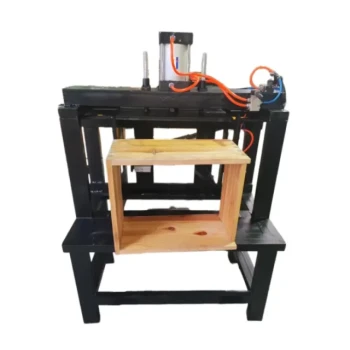
The application of colony splitting techniques fundamentally shifts stingless bee farming from a reliance on wild harvesting to a scalable, controllable production model. By mastering artificial propagation, beekeepers can systematically increase colony numbers without damaging forest trees, thereby overcoming the critical bottleneck of sourcing limitations. This transition allows operations to achieve economies of scale, addressing the inefficiencies inherent in relying solely on naturally occurring colonies.
The core value of colony splitting lies in decoupling production growth from environmental extraction. It transforms the apiary into a self-sustaining system where colony multiplication is a managed workflow rather than a resource hunt, enabling consistent scalability.
The Mechanics of Efficient Scaling
Decoupling from Wild Sourcing
Traditional methods often rely on harvesting colonies from forest trees, which is labor-intensive and environmentally damaging. Colony splitting is a core artificial propagation method that eliminates this dependency.
By generating new stock internally, commercial apiaries remove the unpredictability of wild sourcing. This creates a predictable supply chain essential for commercial planning.
Achieving Economies of Scale
The primary reference highlights that mastering splitting techniques allows operations to address scale inefficiencies. When colony numbers can be multiplied on demand, the unit cost of management decreases.
This scalability enables beekeeping to evolve from a small-scale hobby into a viable commercial model. It allows for the synchronization of hive management tasks across a larger population.
Infrastructure as a Force Multiplier
To support splitting, specialized beehives provide the necessary physical infrastructure. These standardized units defend against predators and pests while allowing for efficient inspection.
This hardware reduces labor intensity significantly. It enables beekeepers to harvest honey and propolis without destroying the nest structure, making the process repeatable and less destructive.
Technical Methods for Preserving Vitality
Minimizing Recovery Time via Longitudinal Splicing
Efficiency is lost if split colonies take too long to recover. Longitudinal splicing minimizes this downtime by splitting log hives lengthwise.
This technique grants direct access to the central brood area without disturbing honey and pollen storage pots. By preserving food reserves, both the new division and the original colony maintain high vitality and return to productivity faster.
Ensuring Safe Colony Adaptation
The use of transparent connecting tubes or suction straws acts as a physical bridge during the splitting process. This provides a safe transition passage for worker bees between the original log and the new expansion box.
This method preserves the ecological structure of the original nest. It allows the colony to adapt gradually, reducing stress-related losses and ensuring the split is successful.
Standardization and Workflow
Increasing the Output-to-Time Ratio
Standardized tools convert complex, variable beekeeping tasks into manageable, technical workflows. This uniformity is critical for efficiency.
By utilizing consistent equipment for inspections, beekeepers can handle more hives in less time. This empowers the apiary to operate on a knowledge-based model rather than relying on intuition alone.
Addressing Production Consistency
Standardization allows for scientific management of issues like inconsistent honey supply and queen quality. When the environment is controlled, variables can be isolated and improved.
This leads to a more predictable output, which is the cornerstone of production efficiency in any agricultural endeavor.
Understanding the Risks and Trade-offs
The Requirement of Technical Mastery
While efficient, colony splitting is not passive; it requires the beekeeper to master specific techniques. Improper execution can lead to the loss of both the original and the new colony.
dependence on Specialized Equipment
Moving away from simple log hives to specialized boxes and standardized tools requires upfront investment. The efficiency gains are long-term, but the initial barrier to entry is higher than traditional foraging.
Biological Limits
Even with artificial propagation, biological limits exist. Aggressive splitting without allowing adequate recovery time for the queen and workers can weaken the genetic stock and overall colony health.
Making the Right Choice for Your Goal
To maximize production efficiency using colony splitting, align your technique with your specific operational focus:
- If your primary focus is Rapid Scaling: Prioritize artificial propagation to multiply colony numbers quickly, decoupling your growth from the limitations of wild foraging.
- If your primary focus is Colony Health: Utilize longitudinal splicing and connecting tubes to minimize physical disruption and ensure high vitality during the transition.
- If your primary focus is Labor Reduction: Invest in standardized beehives and tools to increase your output-to-time ratio and convert complex tasks into routine workflows.
Mastering the balance between biological recovery and artificial multiplication is the key to a highly efficient commercial apiary.
Summary Table:
| Key Efficiency Factor | Impact on Production | Primary Benefit |
|---|---|---|
| Artificial Propagation | Eliminates reliance on wild harvesting | Decouples growth from environmental extraction |
| Longitudinal Splicing | Minimizes colony recovery downtime | Maintains high vitality and fast return to productivity |
| Standardized Hives | Converts complex tasks into workflows | Higher output-to-time ratio and labor reduction |
| Scaling Mechanics | Enables economies of scale | Predictable supply chain for commercial planning |
Elevate Your Commercial Apiary with HONESTBEE
Transitioning from wild harvesting to a scalable, high-efficiency production model requires the right infrastructure. HONESTBEE specializes in supporting commercial apiaries and distributors with a comprehensive range of professional beekeeping tools and machinery.
From standardized hives designed for efficient splitting to advanced honey-filling machines and specialized hardware, we provide the essential equipment needed to maximize your production efficiency. Our expertise helps you reduce labor intensity and achieve consistent output across your operations.
Ready to scale your business? Contact HONESTBEE Today to explore our wholesale offerings and discover how our beekeeping solutions can drive your success.
References
- Norhidayah Che Soh, Muzafar Shah Habibullah. Technical Efficiency of Commercial Stingless Bee Honey Production in Peninsular Malaysia. DOI: 10.47836/pjssh.29.2.03
This article is also based on technical information from HonestBee Knowledge Base .
Related Products
- Stainless Steel Beekeeping Queen Grafting Tool for Honey Bee Rearing
- Stainless Steel Queen Grafting Tool for Beekeeping and Bee Queen Grafting
- Queen Bee Artificial Insemination Instrument Equipment for Instrumental Insemination
- HONESTBEE Collapsible Tiered Bee Swarm Catcher for Beekeeping
- Ergonomic Plastic Frame Spacer Tool for Rapid Hive Management Beekeeping
People Also Ask
- What is the process of grafting in honey bee queen rearing? A Master Guide for Commercial Success
- Why is it necessary for migratory beekeeping enterprises to utilize professional queen bee rearing tools? Boost Resilience
- What is the step-by-step process for using a queen grafting tool? Master Larva Transfer for Better Queen Rearing
- What is the primary function of a queen grafting tool? Master Precise Larval Transfer for High Queen Acceptance
- What specialized tools and frame configurations are needed for larval grafting during queen rearing, and how are queen cells properly spaced? Master the essentials for efficient queen production