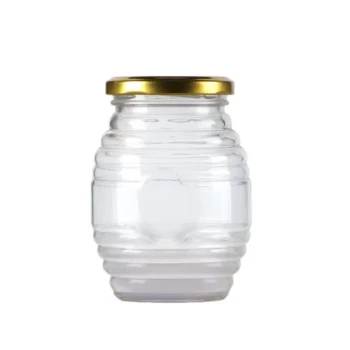
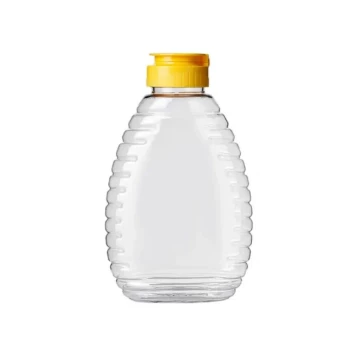
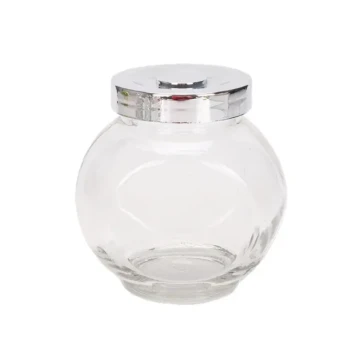
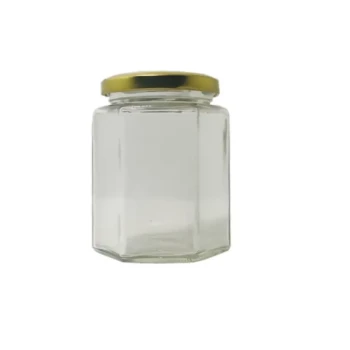
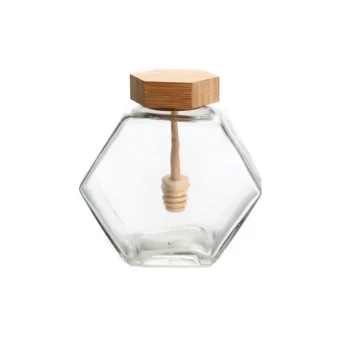
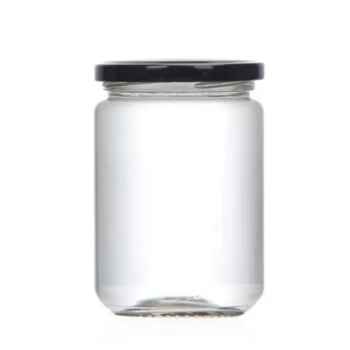
The material selected for packaging bee products is the primary determinant of their stability and shelf-life. Glass containers provide superior protection against moisture and oxidation, ensuring the long-term biological activity of the product. Conversely, high-quality plastic offers a practical balance of cost efficiency and logistical ease for broader distribution networks.
Core Takeaway: While industrial-grade plastic offers essential sealing and logistical flexibility, glass remains the superior choice for preserving the chemical integrity and biological activity of honey, pollen, and propolis against environmental factors.
The Case for Glass: Preservation and Purity
Superior Chemical Inertness
Glass is chemically inert, meaning it does not react with the contents inside. This property is crucial for maintaining the physicochemical stability of reactive bee products like propolis and royal jelly. It ensures that no foreign substances leach into the product, preserving its natural composition.
Moisture Barrier Properties
Honey is naturally hygroscopic and will readily absorb water from the air if exposed. Glass containers provide an exceptional moisture barrier, preventing atmospheric absorption that can lead to fermentation or spoilage. This protection is vital for maintaining the correct viscosity and quality over time.
Prevention of Oxidation
Oxygen is the enemy of biological activity in natural products. Glass creates a hermetic seal that effectively stops oxidation. This preserves the long-term biological activity of pollen and honey, preventing nutritional degradation and flavor changes.
The Case for Plastic: Logistics and Efficiency
Cost-Effective Solutions
High-quality industrial-grade plastic containers are significantly cheaper to manufacture and transport than glass. For large-scale production environments, plastic provides a cost-effective solution that reduces overhead without completely sacrificing containment quality.
Logistical Convenience
Plastic is lightweight and durable, reducing shipping costs and the risk of breakage during transit. This makes it highly advantageous for distribution channels where products must travel long distances or undergo frequent handling.
Meeting Basic Sealing Requirements
Modern industrial plastics are engineered to meet basic sealing standards. While they may not offer the impermeability of glass, they provide sufficient protection for products with faster turnover rates, ensuring the product remains secure during standard commercial cycles.
Understanding the Trade-offs
Long-Term Quality vs. Short-Term Utility
The decision often comes down to the intended lifespan of the product. Glass is necessary for products intended for long-term storage where preserving enzyme activity is paramount. Plastic is better suited for high-volume products intended for quick consumption where logistical efficiency outweighs the need for indefinite preservation.
The Role of Infrastructure
It is important to note that packaging does not work in isolation. Professional storage facilities and cold chain infrastructure act as a quality buffer. By precisely regulating temperature and humidity, these facilities can mitigate some of the limitations of plastic packaging, helping to inhibit biochemical degradation before the product reaches the shelf.
Making the Right Choice for Your Goal
Selecting the right container depends on balancing commercial viability with quality preservation.
- If your primary focus is premium quality and long-term preservation: Choose glass to ensure chemical inertness and prevent moisture absorption or oxidation.
- If your primary focus is cost reduction and logistics: Choose high-quality industrial plastic to lower shipping weights and minimize breakage risks while meeting basic sealing needs.
Ultimately, the ideal packaging strategy aligns the container's protective qualities with the product's expected lifecycle and distribution environment.
Summary Table:
| Feature | Glass Containers | Industrial Plastic Containers |
|---|---|---|
| Chemical Inertness | Superior (Non-reactive) | Moderate (Potential for leaching) |
| Moisture Barrier | Excellent (Prevents fermentation) | Good (Sufficient for fast turnover) |
| Oxidation Protection | High (Hermetic seal) | Moderate |
| Durability | Fragile (Risk of breakage) | High (Impact resistant) |
| Logistics & Cost | Heavier & More expensive | Lightweight & Cost-effective |
| Best Use Case | Premium/Long-term storage | High-volume/Commercial distribution |
Elevate Your Beekeeping Business with HONESTBEE
Choosing the right packaging is just one step in maintaining the integrity of your harvest. At HONESTBEE, we empower commercial apiaries and distributors with the tools needed to succeed. From precision honey-filling machines and hive-making equipment to a comprehensive range of premium beekeeping tools and industry consumables, we provide everything required to scale your production and protect your product quality.
Ready to optimize your distribution and enhance your brand value? Contact HONESTBEE today to explore our wholesale solutions and find the perfect machinery and hardware tailored to your commercial needs.
References
- Telly Yarita Macías Zambrano, Yesenia Dioselina Macías Zambrano. Honey, pollen and propolis in therapeutic treatments for COVID-19. DOI: 10.53730/ijhs.v6n1.3766
This article is also based on technical information from HonestBee Knowledge Base .
Related Products
- Plastic Transporting Bee Packages and Nuc Boxes for Beekeeping
- Classic Glass Honey Jar with Metal Lug Cap for Beehive Storage
- Professional Insulated Plastic Bee Hives
- Durable Plastic Frame Spacer
- Food Grade Plastic bee Foundation for Bee Frames
People Also Ask
- What role do bee package boxes play in the commercial transport and expansion of honeybee colonies? - Logistic Essentials
- What are beekeeping boxes called? A Guide to Hive Bodies and Box Types
- How do standardized bee packages serve as a recovery mechanism for commercial beekeeping? Ensure Business Continuity
- What is the commercial value of using standardized bee packages? Drive Scalability in Large-Scale Apiaries
- Why is the timely introduction of high-quality bee packages critical? Save Your Apiary from Asian Hornet Invasions