The 'crush and strain' method is a manual extraction technique primarily used for honeycombs that are not built on wire or plastic foundations, such as those found in top-bar hives. It operates by physically breaking down the entire wax structure to release the honey, followed by gravity-based filtration to separate the liquid from the wax debris.
Core Takeaway This method offers a low-cost entry point for hobbyists by eliminating the need for expensive centrifugal machinery. However, the trade-off is the total destruction of the wax comb, which prevents beekeepers from reusing the frames and forces the colony to rebuild their infrastructure the following season.
The Mechanics of Extraction
Breaking Down the Comb
The process begins by removing the honeycomb from the hive frames. Because this method is typically reserved for natural comb not built on wire or plastic foundations, the entire structure can be processed.
Using a large knife, spatula, or sturdy wooden spoon, the beekeeper thoroughly crushes the comb inside a large tub. This mechanical action breaks the cell walls, releasing the honey stored inside.
Filtration and Separation
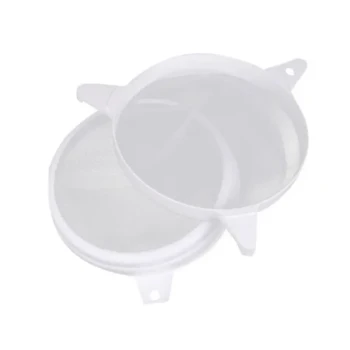
Once the comb is crushed into a mash, the mixture is poured through a filtration medium. Common tools for this stage include cheesecloth, metal sieves, or mesh filters.
Gravity pulls the honey through the mesh into a food-grade collection bucket below. The filter retains the wax caps and crushed comb debris, resulting in clear honey ready for jarring.
Required Equipment and Preparation
Minimalist Toolset
Unlike the "uncapping and extracting" method, which requires a centrifuge (extractor), crush and strain relies on simple kitchen-grade tools.
The essential requirements are a large crushing vessel, a crushing tool, and a straining system. This makes it an accessible option for small-scale operations or hobbyists who wish to avoid high initial equipment costs.
Sanitation and Workspace
This method is inherently messy compared to closed extraction systems. It is standard practice to cover work surfaces and floors with cardboard or plastic sheeting to manage sticky drips and spills.
Understanding the Trade-offs
Destruction of the Comb
The most significant disadvantage of this method is the loss of drawn comb. In centrifugal extraction, the comb remains intact and is returned to the hive, allowing bees to immediately store more nectar.
With crush and strain, the bees must consume significant energy and resources to rebuild the wax comb from scratch. This can reduce the overall honey yield in subsequent harvests.
Time and Scalability
While the equipment is cheap, the process is slow and labor-intensive. It is generally considered impractical for commercial operations where speed and volume are priorities.
Making the Right Choice for Your Goal
This method is best evaluated by balancing your budget against your desire for production efficiency.
- If your primary focus is low startup costs: Choose this method to harvest high-quality honey without investing in expensive stainless steel extractors.
- If your primary focus is maximum honey yield: Avoid this method, as preserving drawn comb via centrifugal extraction allows bees to focus on nectar collection rather than wax building.
The crush and strain method remains the most direct, tactile way to harvest honey, offering simplicity at the cost of the comb itself.
Summary Table:
| Feature | Crush and Strain Method |
|---|---|
| Equipment Needed | Crushing tool, mesh filter/cheesecloth, food-grade bucket |
| Comb Impact | Complete destruction (must be rebuilt by bees) |
| Cost Level | Low - No expensive machinery required |
| Scale Suitability | Hobbyists and small-scale top-bar hive keepers |
| Primary Benefit | Minimalist entry point for honey harvesting |
Elevate Your Beekeeping Operation with HONESTBEE
While the 'crush and strain' method is a great start for hobbyists, growing your business requires professional efficiency. HONESTBEE specializes in supporting commercial apiaries and distributors with a comprehensive range of high-performance beekeeping tools and machinery.
Whether you need to upgrade to automated honey-filling machines, source specialized hive-making hardware, or stock up on essential consumables, we provide the industrial-grade solutions your customers demand. From raw production to honey-themed cultural merchandise, we are your one-stop wholesale partner.
Ready to scale your production? Contact us today to discover how our wholesale portfolio can drive your apiary's success.
Related Products
- 6 Frame Manual Stainless Steel Honey Extractor Beekeeping Equipment
- Electric 8 Frame Honey Spinner Extractor Equipment for Beekeeping
- HONESTBEE 2 Frame Manual Acrylic Honey Extractor Beekeeping Equipment
- Stainless Steel 3 Frame Manual Honey Extractor Spinner for Bee Honey Extraction
- HONESTBEE 3-Frame Manual Acrylic Honey Extractor
People Also Ask
- How do you manually extract honey? Choose the Best Method for Your Hive
- What is a manual honey extractor? The Essential Guide to Cost-Effective Beekeeping for Beginners
- Why are manual extractors popular among beginner beekeepers? A Guide to Starting Simple & Saving Money
- What are the disadvantages of a manual honey extractor? Overcome Efficiency Bottlenecks in Your Apiary
- Which type of honey extractor is generally more durable? Focus on Material & Build Quality for Longevity