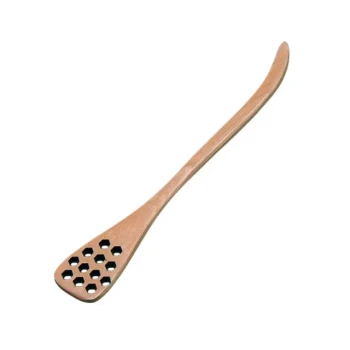
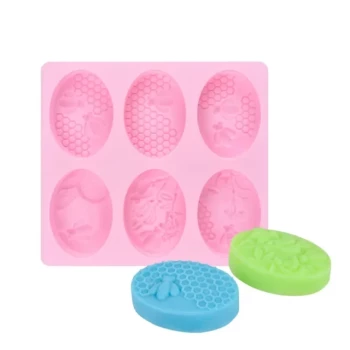
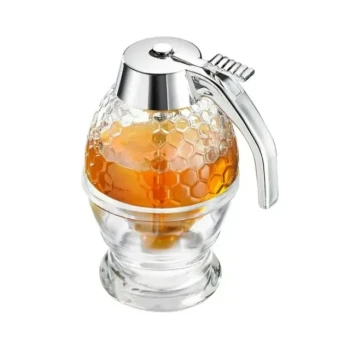
The development of honey-themed cultural merchandise fundamentally shifts the beekeeping industry from a traditional agricultural sector to a value-added cultural economy. By leveraging the positive health and cultural associations of honey, these products serve as a diversified market strategy that expands consumption scenarios and generates new revenue streams. Crucially, this evolution enhances the social prestige of the profession, helping to attract a younger workforce to a field that historically struggles with labor retention.
The core value of cultural merchandise lies in brand extension: it transforms raw agricultural output into a multi-dimensional brand experience, simultaneously increasing profitability and securing the industry's future by revitalizing its social image.
Elevating Economic Value Through Diversification
The primary economic contribution of cultural merchandise is the expansion of the value chain. Beekeepers are no longer limited to selling raw honey; they can now market the "culture" and "experience" of apiculture.
Creating New Revenue Streams
Traditional beekeeping income is often seasonal and dependent on harvest yields. Cultural merchandise—ranging from beeswax crafts to honey-based skincare—creates a stable, year-round income source. This diversification buffers beekeepers against the volatility of agricultural cycles.
Transforming Commodities into Premium Assets
Merchandise allows producers to bypass low-margin commodity markets. By utilizing branded labels, decorative packaging, and creative derivatives, raw materials like beeswax and hive residues are converted into high-value artistic or functional goods. This significantly increases the profit margin compared to selling bulk raw ingredients.
Strengthening Brand Identity and Market Position
Beyond immediate revenue, cultural merchandise serves as a powerful tool for establishing long-term market presence and regional identity.
Building Regional Distinctiveness
Honey-themed merchandise helps build unique regional brand identities. Instead of competing solely on price against generic honey, producers compete on cultural heritage and origin. This differentiation allows local apiaries to command higher prices and cultivate loyal customer bases.
Deepening Consumer Connections
Merchandise acts as a "cultural carrier" or educational medium. Items like bee models or themed crafts serve as tangible reminders of the brand long after the honey is consumed. This strengthens the emotional connection between the consumer and the producer, fostering a community-based economic model that supports long-term sustainability.
Revitalizing the Workforce and Social Perception
Per the primary reference, one of the most critical socio-economic impacts is the shift in how the industry is perceived by the labor market.
Enhancing Social Prestige
Historically, beekeeping has been viewed strictly as manual agricultural labor. The integration of cultural merchandise elevates the industry's status, associating it with creativity, entrepreneurship, and ecological stewardship. This shift improves the social standing of those working within the sector.
Attracting Young Talent
The modernization of the industry through branding and creative product development makes it more appealing to younger generations. By offering roles that blend agriculture with design, marketing, and conservation, the industry creates a pathway for young workers who might otherwise overlook beekeeping as a career.
Understanding the Trade-offs
While the benefits are significant, shifting focus toward cultural merchandise introduces new complexities that must be managed.
The Risk of Dilution
There is a danger of prioritizing merchandise over the core product. If the focus shifts too heavily to accessories and branding, the quality of the primary agricultural output (honey) may suffer, which ultimately undermines the brand's authenticity.
Operational Complexity
Developing merchandise requires a different skill set than beekeeping. It involves manufacturing, inventory management, and retail logistics. Small operations may find their resources strained by trying to manage both active apiaries and a retail product line simultaneously.
Making the Right Choice for Your Goal
The implementation of honey-themed merchandise should align with your specific strategic objectives.
- If your primary focus is Profitability: Prioritize high-margin consumables and functional goods (like skincare or premium gift sets) that utilize by-products like beeswax to maximize the value extracted from every hive.
- If your primary focus is Workforce and Longevity: Invest in creative branding and lifestyle merchandise that modernizes your image to appeal to younger demographics and elevates the social status of your operation.
- If your primary focus is Conservation: Develop educational merchandise (like bee models or ecological guides) that raises public awareness of biodiversity, turning customers into advocates for the ecosystem.
Success in this arena comes not just from selling products, but from using those products to tell a compelling story that adds value to the honey, the hive, and the beekeeper.
Summary Table:
| Impact Category | Key Benefit | Practical Example |
|---|---|---|
| Economic Value | Expands value chain & buffers seasonality | Beeswax skincare, premium gift sets |
| Market Identity | Creates regional brand distinctiveness | Branded crafts, heritage-themed packaging |
| Social Standing | Enhances prestige & attracts younger labor | Creative roles in design & marketing |
| Sustainability | Deepens consumer emotional connection | Educational bee models, eco-guides |
Elevate Your Apiary’s Global Impact with HONESTBEE
At HONESTBEE, we understand that the future of apiculture lies in the perfect blend of traditional excellence and modern brand culture. As a premier partner for commercial apiaries and distributors, we provide the comprehensive wholesale solutions you need to lead this industry evolution.
Our Value to Your Business:
- Industrial Efficiency: From high-precision hive-making machines to advanced honey-filling lines, we equip you with the tools to scale.
- Product Diversification: Access a wide array of beekeeping tools, machinery, and essential consumables to optimize your harvest.
- Cultural Growth: Leverage our portfolio of honey-themed cultural merchandise to differentiate your brand and capture high-margin markets.
Ready to transform your bulk honey into a premium cultural brand? Contact us today to explore our wholesale offerings and see how we can help you attract the next generation of beekeeping talent.
References
- Geetanjali Gupta, Sapna Gupta. Socio-Economic Profile of Beekeepers in Jammu Division: A Demographic and Economic Assessment as as a part of Ph.D Thesis Reserch.. DOI: 10.71097/ijsat.v16.i3.7341
This article is also based on technical information from HonestBee Knowledge Base .
Related Products
- Modern Honeycomb Pattern Wooden Honey Dipper for Stirring and Drizzling
- Heart-Shaped Comb Honey Frame and Honeycomb Cassette
- Honey Tank Heater Drum Heating Blanket for Honey Barrel
- Classic Beehive Honey Bottle Jar with Squeeze Dispenser Lid
- Professional Plastic Honey Dipper for Easy Honey Drizzling
People Also Ask
- What is the proper method for cleaning a honey dipper? Maintain Pure Flavor with These Easy Pro Tips
- What is a honey dipper and what is it used for? A Guide to Mess-Free Drizzling
- What is a honey dipper? Master the Art of the Perfect Drizzle with This Essential Tool
- What is a honey taking spoon called? Discover the Tool for a Perfect, Mess-Free Drizzle
- How do you clean and store a honey dipper? Simple Steps for Long-Lasting Performance