Genetic identification directly dictates the safety standards and operational equipment required for an apiary. By analyzing the specific lineages present in a population—most notably identifying areas of high Africanization—beekeepers can align their protective gear and harvesting tools with the colony's inherent defensive traits.
The Core Insight Genetic analysis transforms beekeeping from a generalized practice into a precision operation. By quantifying behavioral risks such as aggression levels, apiaries can procure specialized safety equipment and harvesting tools that prevent injury and ensure the continuity of pollination services.
Understanding the Genetic Influence on Equipment
The primary driver for selecting specific tools is the correlation between genetic lineage and behavioral traits.
Identifying Defensive Zones
Genetic identification reveals the presence of specific traits, such as those found in Africanized honeybees.
These lineages exhibit heightened defensive behaviors compared to European varieties.
Knowing the genetic makeup of an apiary allows managers to predict how a colony will react to disturbance, moving the choice of equipment from a matter of preference to a matter of necessity.
Optimizing Protective Consumables
Once a population is genetically identified as having aggressive traits, the specifications for "consumables"—the daily wear and disposable items used by beekeepers—must change.
Selecting Heavy-Duty Suits
In areas with high Africanization, standard protective veils or thin jackets are insufficient.
The data dictates the use of heavy-duty beekeeping suits.
These suits are designed with thicker materials and reinforced specialized sealing to prevent stings from highly reactive bees that mass-attack in response to threats.
Deploying High-Output Smokers
The smoker is the beekeeper's primary tool for masking alarm pheromones.
Genetically aggressive colonies require high-output smokers capable of producing dense, sustained volumes of cool smoke.
Standard smokers may fail to calm a genetically defensive colony, leading to dangerous operational situations.
Adapting Operational Equipment
Beyond personal protection, genetic data influences the hardware used for colony management and honey extraction.
Tailoring Harvesting Tools
Harvesting equipment must be adapted to the specific behavioral profile of the lineage.
For defensive lineages, speed and efficiency are safety factors.
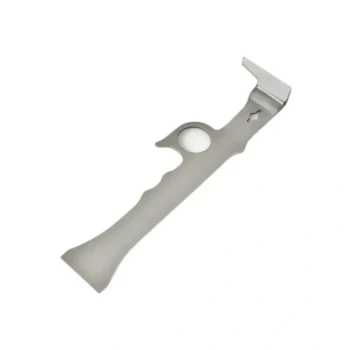
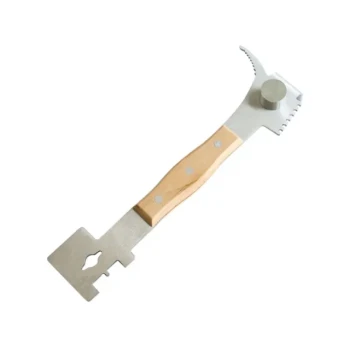
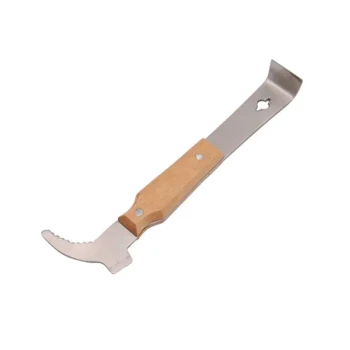
Tools that allow for rapid manipulation of frames reduce the time the hive is open, thereby minimizing the colony's defensive response.
Supporting Sustainable Management
Selecting the right tools based on genetics prevents "colony burnout" and abandonment.
When equipment is mismatched to the bee's temperament, management becomes stressful for the colony.
Proper tool selection supports a sustainable management plan, ensuring the apiary remains viable long-term.
Understanding the Trade-offs
While genetic identification clarifies safety needs, it introduces economic considerations that must be weighed against potential returns.
The Cost of Specialized Gear
High-output smokers and heavy-duty suits represent a higher upfront investment than standard equipment.
However, this cost must be viewed in the context of the pollination value.
Since the economic value of pollination services is 15 to 20 times greater than the direct value of honey, the investment in premium gear protects the primary asset: the continued operation of the colony.
Management Complexity vs. Safety
Implementing a gear strategy based on genetics adds a layer of complexity to inventory management.
You may need different protocols for different apiary locations.
However, the risk of not adapting is higher: improper management can lead to colony loss, abandonment, or injury, disrupting the ecosystem stability essential for agricultural productivity.
Making the Right Choice for Your Goal
Your equipment selection strategy should ultimately align with the genetic reality of your hives and your economic objectives.
- If your primary focus is Safety in Aggressive Zones: Prioritize heavy-duty suits and high-output smokers immediately, as standard gear in Africanized areas poses an unacceptable physical risk.
- If your primary focus is Economic Sustainability: Invest in quality consumables and integrated management tools to prevent colony loss, protecting the high-value pollination services that far outweigh honey revenue.
Match your equipment to your bees' genetics to turn unpredictable risks into manageable variables.
Summary Table:
| Equipment Category | Influence of Genetic Identification | Key Tool/Consumable Requirement |
|---|---|---|
| Personal Protection | High Africanization/Aggressive traits | Heavy-duty suits with reinforced sealing |
| Pheromone Control | High reactivity & alarm response | High-output smokers for sustained smoke volume |
| Harvesting Tools | Temperament-based speed requirements | Rapid-manipulation frame tools to minimize hive open-time |
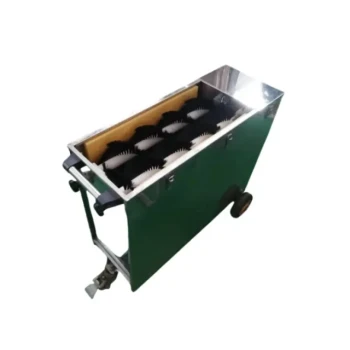
| Operational Hardware | Colony management & stability | Specialized machinery adapted to behavioral profiles |
Maximize Your Apiary’s Potential with HONESTBEE
At HONESTBEE, we understand that genetic traits dictate operational needs. Whether you are managing highly defensive colonies or high-yield European lineages, we provide commercial apiaries and distributors with the specialized equipment necessary for success.
Our comprehensive wholesale offering includes:
- Heavy-Duty Protective Gear: Engineered for safety in high-risk zones.
- Precision Machinery: Hive-making and honey-filling machines to scale your operations.
- Specialized Tools: High-output smokers and rapid-harvesting hardware.
- Industry Consumables: A full spectrum of essentials for sustainable management.
Don't let unpredictable genetics disrupt your pollination services or honey production. Contact HONESTBEE today to equip your business with professional-grade tools tailored to your specific beekeeping challenges.
References
- Julio Chávez‐Galarza, Héctor V. Vásquez. Mitochondrial DNA Variation in Peruvian Honey Bee (Apis mellifera L.) Populations Using the tRNAleu-cox2 Intergenic Region. DOI: 10.3390/insects12070641
This article is also based on technical information from HonestBee Knowledge Base .
Related Products
- HONESTBEE 15-in-1 Beekeeper Multi-Tool with Hammer and Pliers for Beekeeping
- Stainless Steel J Hook Hive Tool for Beekeeping
- HONESTBEE Advanced Ergonomic Stainless Steel Hive Tool for Beekeeping
- Stainless Steel Queen Grafting Tool for Beekeeping and Bee Queen Grafting
- Ergonomic Plastic Frame Spacer Tool for Rapid Hive Management Beekeeping
People Also Ask
- What is the recommended method for storing beekeeping tools? Expert Vertical Storage Solutions for Your Apiary
- How does a favorable microclimate interact with beekeeping tools? Boost Overwintering Success and Equipment Longevity
- Why is the treatment of beekeeping tools with high-concentration chemical disinfectants necessary for preventing AFB?
- How do specialized beekeeping tools and high-specification protective equipment assist in colony health management?
- Why are specialized beekeeping tools and consumables essential? Enhance Colony Management and Honey Yield Today