The adoption of modern frame hives directly accelerates the commercial demand for bee colonies by enabling standardized, high-efficiency operations. These hives provide uniform breeding spaces that simplify management and harvesting, prompting beekeepers to purchase established colonies to rapidly populate this infrastructure and achieve large-scale production.
Modern frame hives transform beekeeping from a variable craft into a scalable industry. By standardizing the environment, they allow beekeepers to maximize production efficiency, driving a specific market need for high-quality, pre-established colonies to populate commercial operations instantly.
The Drivers of Commercial Demand
Standardization Creates Scalability
The primary influence on demand is standardization. Modern frame hives are built with uniform specifications, meaning a frame from one hive fits perfectly into another. This compatibility allows beekeepers to expand their apiaries rapidly without worrying about equipment mismatch.
Because the infrastructure is "plug-and-play," beekeepers are incentivized to purchase established colonies that can be immediately slotted into this efficient system.
Efficiency in Harvesting and Management
Modern frames provide specific, standardized spaces for breeding and honey storage. This structure simplifies the harvesting process and general colony management, significantly reducing the labor hours required per hive.
As labor efficiency increases, a single beekeeper can manage more hives. This operational leverage stimulates demand, as businesses seek to buy more colonies to maximize the output of their efficient workforce.
Transport and Logistics
Standardized woodworking and machinery ensure that hive components are compatible and safe for long-distance transport. This uniformity is critical for migratory beekeeping, where colonies are moved to follow bloom cycles.
The ability to safely transport hives creates a market for "mobile" colonies. Commercial operators demand robust, standardized colonies that can withstand the rigors of transit to high-density pollination environments, such as citrus orchards.
Precision in Ecological Monitoring
Beyond honey production, standardized hives create consistent control variables for environmental monitoring. Because the internal space is uniform, researchers and commercial monitors can exclude interference factors caused by housing variations.
This drives a niche but important demand for colonies used in large-scale ecological monitoring. These colonies are essential for accurately analyzing land-use changes, pesticide pressure, and floral resource availability.
Operational Requirements and Trade-offs
The Necessity of Specialized Tools
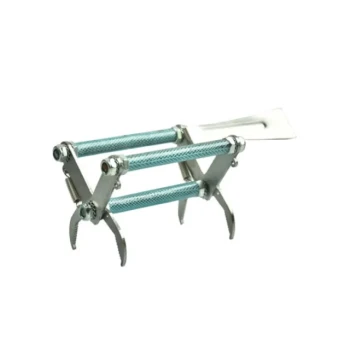
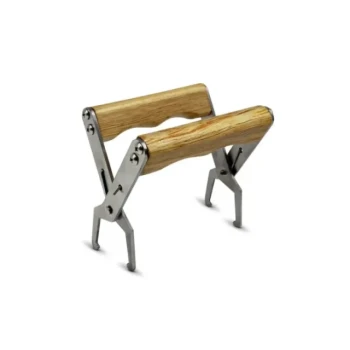
While frame hives increase efficiency, they require high-strength, specialized management tools to maintain that speed. Propolis (bee glue) and wax often seal hive covers and frames.
Operators must use specific tools designed to pry open covers and scrape away excess material without damaging the hive structure. The commercial viability of these hives depends on using these tools to ensure maintenance is precise and does not slow down operations.
Handling Biological Fragility
Standardization does not eliminate biological fragility. While modern tools allow for heavy-duty work on frame hives, different approaches are required for distinct species, such as stingless bees.
For these delicate nests, "standard" industrial tools are too invasive. Beekeepers must utilize precision instruments, such as fine tweezers and inspection knives, to avoid damaging wax brood chambers. Commercial demand is therefore split: rugged colonies for frame hives, and specialized care for delicate pollinators.
Making the Right Choice for Your Goal
Whether you are scaling a honey business or conducting research, the type of equipment you choose dictates your colony sourcing strategy.
- If your primary focus is rapid commercial expansion: Prioritize purchasing established colonies that are immediately compatible with standardized frame hives to maximize labor efficiency and transportability.
- If your primary focus is ecological research: Utilize standardized frame hives to eliminate environmental variables, ensuring that changes in colony health are attributed to external factors like pesticides or land use.
- If your primary focus is specialized pollination (e.g., stingless bees): Avoid standard industrial tools and invest in precision instruments to inspect nests without disrupting the delicate wax structures or the queen.
Ultimately, modern frame hives turn the bee colony into a standardized unit of production, fueling demand by making large-scale management not just possible, but profitable.
Summary Table:
| Influence Factor | Impact on Commercial Demand | Key Benefit |
|---|---|---|
| Standardization | High | Enables "plug-and-play" scalability with uniform equipment. |
| Labor Efficiency | High | Reduces hours per hive, allowing for larger colony purchases. |
| Transportability | Medium/High | Facilitates migratory beekeeping and mobile colony markets. |
| Ecological Monitoring | Medium | Provides consistent variables for precision environmental research. |
| Specialized Tools | Essential | Necessary for maintaining hive integrity and operational speed. |
Scale Your Beekeeping Business with HONESTBEE
At HONESTBEE, we understand that modern beekeeping requires more than just bees—it requires a robust infrastructure of reliable machinery and high-quality equipment. We cater specifically to commercial apiaries and distributors, providing a comprehensive wholesale range that includes everything from specialized hive-making and honey-filling machines to essential industry consumables.
Whether you are expanding a migratory honey operation or supplying the next generation of beekeepers, our portfolio of beekeeping tools and honey-themed cultural merchandise is designed to maximize your efficiency and profitability. Partner with us to secure the hardware you need for large-scale success.
Contact HONESTBEE Today to Discuss Your Wholesale Needs
References
- Teweldemedhn Gebretinsae, Tesfay Yayneshet. Honeybee colony marketing and its implications for queen rearing and beekeeping development in Tigray, Ethiopia. DOI: 10.5897/ijlp2013.0183
This article is also based on technical information from HonestBee Knowledge Base .
Related Products
- Wooden Bee Hive Frames for Beekeeping and Wholesale
- Modern Flat-Mount Hive Number Set for Beekeeping
- Plastic Bee Frame Beekeeping Hive Frames for Wholesale
- Professional 3-Bar Frame Grip with Integrated Hive Tool
- Multi-Function Plier-Style Frame Grip Hive Tool
People Also Ask
- How do wooden and plastic hive frames compare in terms of durability? Wood vs. Plastic Longevity & Repairability
- How does balancing the number of frames impact hive productivity? Optimize Your Apiary's Biological Output
- What are the main considerations when choosing between wooden and plastic bee hive frames? Optimize Your Apiary's Efficiency
- How should beehive frames be maintained to prolong their lifespan? 5 Pro Tips for Durable Beekeeping Equipment
- What is the primary function of frames within a beehive system? Structural Foundation and Hive Management